Exploring Famous Places in Japan: Iconic Sights and Must-Visit Destinations for First-Timers
Japan is a country where ancient traditions blend seamlessly with futuristic innovation. From neon-lit cityscapes to serene mountain temples, it offers a travel experience unlike any other.
For many, the dream is to walk the bustling streets of Tokyo, witness the majesty of Mount Fuji, and soak in peaceful hot springs. This guide covers some of the most breathtaking sights and practical advice to help you navigate this incredible destination. Whether you’re planning your first trip or returning for more, discovering the Famous Places in Japan is an adventure of a lifetime. We will also dive into the specific japan landmarks, must visit japan spots that define the ultimate itinerary.
Overview & Location
Japan is an archipelago stretching from the Sea of Japan to the Pacific Ocean. While the country is mountainous and volcanic, the most populated areas are along the coast. The Greater Tokyo Area is the most populous metropolitan area in the world, offering endless entertainment and dining.
Kyoto, the former imperial capital, is the cultural heart, famous for its well-preserved temples, traditional geisha districts, and bamboo groves. Osaka, located nearby, is known as the “Kitchen of Japan” for its incredible street food scene. When planning your route, it is essential to understand the geography; major attractions are often spread out between Tokyo, Kyoto, and Osaka, connected by the efficient Shinkansen (bullet train) network. The atmosphere shifts dramatically depending on where you are—neon lights and crowds define the cities, while shrines and nature define the rural regions.
Best Time to Visit
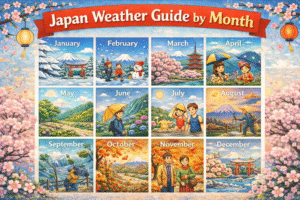
Choosing the right season is key to enjoying your trip. Japan has four distinct seasons, each offering a unique vibe. Spring (March to May) is famous for cherry blossoms (sakura), drawing crowds to parks for picnics under the pink blooms. However, it can be rainy and crowded.
Summer (June to August) is hot and humid, featuring vibrant festivals (matsuri) and fireworks, but requires heat management.
Autumn (September to November) offers cool, crisp air and stunning foliage, with koyo (red leaves) providing spectacular scenery, particularly in Kyoto and Nikko.
Winter (December to February) is cold and dry, ideal for skiing in Hokkaido or enjoying onsen (hot springs) with a view of snow-capped peaks. If you want to avoid the busiest times, late autumn or late winter (after New Year’s) are excellent choices.
Things to Do / Travel Guide
There is an overwhelming variety of activities, but prioritizing a few cultural highlights will give you a balanced experience. Here is a curated list of things to do to ensure you hit the high notes:
- Temple Hopping in Kyoto: Visit Kinkaku-ji (The Golden Pavilion) and Fushimi Inari Shrine with its thousands of vermilion torii gates. This is a prime example of the japan landmarks, must visit japan experience.
- City Views from Tokyo: Head to the Shibuya Crossing for the famous scramble, or go to the top of the Tokyo Skytree for a panoramic view. It represents the modern energy of the Famous Places in Japan.
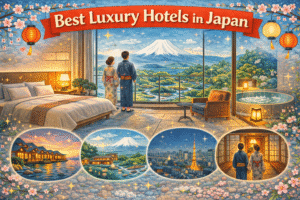
- Traditional Stays: Try staying in a Ryokan (traditional inn) for a night. Sleeping on tatami mats and eating a multi-course kaiseki dinner is a must-do cultural immersion.
- Food Adventures: Don’t just eat sushi. Try conveyor belt sushi, ramen in a hole-in-the-wall shop, and Takoyaki (octopus balls) in Osaka.
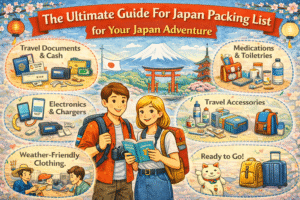
Practical Tips: Always carry cash; many small shops and temples do not accept cards. Tipping is not customary and can be considered rude. Be quiet on public transport.
Transportation & Access
Getting around Japan is surprisingly easy once you understand the system. The Japan Rail Pass (JR Pass) allows unlimited travel on most JR trains, including the Shinkansen. However, prices have changed recently, so calculate if it’s worth it for your specific itinerary. For city travel, IC cards like Suica or Pasmo (or their mobile wallet equivalents) are essential; you tap them to pay for subways and buses.
From Narita (Tokyo) or Kansai (Osaka) airports, express trains are the fastest way into the city. Navigation apps like Google Maps or Hyperdia are lifesavers for checking train times and platforms. Note that trains stop running around midnight, so plan your evenings accordingly or use the extensive taxi network.
Practical Travel Tips
To ensure a smooth trip, keep these essentials in mind:
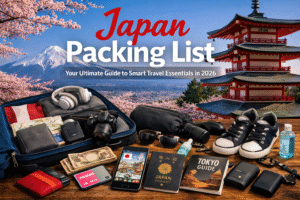
- Wi-Fi: Pocket Wi-Fi rentals or eSIMs are mandatory for navigation. Free Wi-Fi is not always reliable or easy to connect to.
- Trash Bins: You will rarely see public trash cans. Carry a small plastic bag to hold your trash until you return to your hotel or find a bin (usually near vending machines or convenience stores).
- Footwear: You will do a lot of walking and will need to remove shoes at temples and traditional inns. Wear slip-on shoes.
- Etiquette: Do not eat while walking. It is considered impolite. Stand to the side of the escalator (left in Tokyo, right in Osaka) to let people pass.
Common Mistakes to Avoid
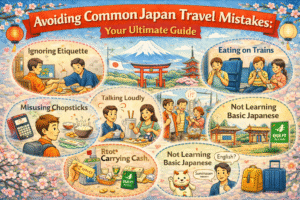
Even seasoned travelers can slip up. Here is how to avoid the most common pitfalls:
- Overscheduling: Trying to see Tokyo, Kyoto, and Hiroshima in 5 days is impossible. Slow down and enjoy one or two places per day.
- Luggage Issues: Bringing massive suitcases on crowded trains is a nightmare. Send large bags ahead to your next hotel via the Takkyubin service (available at convenience stores).
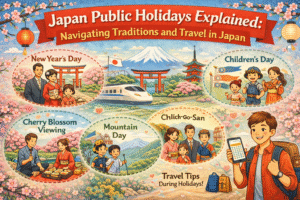
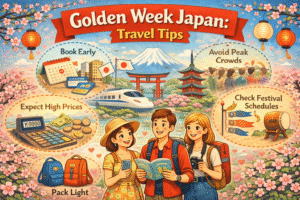
- Not Checking Holiday Schedules: Many businesses close from Dec 29 to Jan 3. Always check opening hours, especially for New Year’s.
- Ignoring the Queue: If there is a line, join it. Whether for a ramen shop or a train seat, queuing is a strict cultural rule.
Conclusion
Japan is a destination that rewards preparation and curiosity. It is a place where you can find silence in a Zen garden and total sensory overload in a digital art museum in the same day. The blend of hospitality (omotenashi), safety, and cleanliness makes it one of the best places in the world to travel.
By focusing on the balance between the modern metropolis and the historic countryside, you will leave with memories that last a lifetime. When you look back at your photos, you will recognize the majesty of the Famous Places in Japan and understand why so many travelers return again and again. Make sure to include the essential japan landmarks, must visit japan spots in your travel plans to get the full experience.
FAQs
1. Is the JR Pass worth it for a 7-day trip?
It depends on your travel route. If you are doing a round trip from Tokyo to Kyoto and back, it is likely worth it. If you are staying mostly in Tokyo, a Suica card is better.
2. Do I need a visa to enter Japan?
Citizens of many countries (including the USA, UK, Canada, and Australia) can enter visa-free for up to 90 days. Always check the latest embassy guidelines before booking.
3. Can I get by with English?
In major cities, signs in train stations and menus in tourist areas are often in English. However, outside of these areas, very few people speak English, so translation apps are helpful.
4. Is it expensive to eat in Japan?
It can be very affordable. A filling bowl of ramen costs about 800–1000 yen ($5–7 USD), and convenience store (konbini) meals are high quality and cheap.
5. What is the best way to buy Shinkansen tickets?
You can buy them at ticket machines (which have English options) at any major station. It is often easier to book a seat using the “Smart EX” app if you have a foreign credit card.