The Ultimate 7 Day Japan Itinerary: Tokyo, Kyoto & Beyond
Japan 7-Day Itinerary
Japan is a destination that sits at the very top of many travelers’ bucket lists, blending ancient traditions with futuristic cityscapes in a way no other country can. From the neon-lit streets of Tokyo to the serene temples of Kyoto, a week here offers a lifetime of memories. Planning a trip to the Land of the Rising Sun can feel overwhelming, but seeing the highlights is entirely possible with the right plan.
This guide is designed to help you navigate the country efficiently and joyfully. Whether it is your very first time or a return visit, following a well-structured Japan Itinerary 7 Days ensures you don’t miss a thing. We will cover how to maximize your time, where to eat, and how to travel like a local. If you are looking for a seamless experience, this detailed japan 7 day trip, japan itinerary covers everything you need to know to make your adventure smooth and unforgettable.
Overview & Location
This itinerary focuses on the “Golden Route,” the most popular travel corridor for first-time visitors. It connects Tokyo, the bustling capital, with Kyoto, the cultural heart of Japan.
Tokyo is located in the Kanto region on the main island of Honshu. It is a sprawling metropolis where ultramodern skyscrapers stand alongside historic shrines. The city is divided into districts, each with a unique flavor—from the fashion hub of Shibuya to the electronic wonderland of Akihabara.
Kyoto is situated in the Kansai region, on the island of Honshu. It served as Japan’s imperial capital for over a thousand years. Here, the atmosphere shifts from Tokyo’s frantic pace to a calmer, more traditional vibe. You will find wooden machiya houses, geisha walking in historic districts, and hundreds of UNESCO World Heritage sites.
The journey between these two cities highlights the diversity of the Japanese landscape, transitioning from dense urban sprawl to rolling mountains and bamboo forests.
Best Time to Visit
Japan is a four-season destination, and the weather drastically changes the experience.
Spring (March to May) is arguably the most famous time to visit due to Sakura (cherry blossom) season. The weather is mild, and the parks are filled with pink flowers. However, this is also peak tourist season, meaning higher prices and larger crowds.
Summer (June to August) brings hot and humid weather. It is the festival season, with massive events like the Gion Matsuri in Kyoto and fireworks displays across the country. If you don’t mind the heat, this is a vibrant time to see Japanese culture in action.
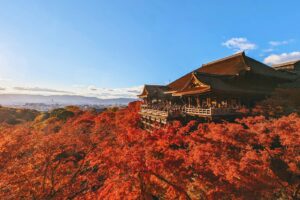
Autumn (September to November) is generally considered the best balance. The summer humidity fades, and the Koyo (autumn leaves) turn the landscapes into fiery red and gold. The weather is crisp and comfortable for walking.
Winter (December to February) is cold and dry, particularly in Tokyo. It is the best time for skiing in nearby mountains and visiting natural hot springs (onsen). Crowds are the lowest, and accommodation is more affordable.
Things to Do / Travel Guide
Here are the essential activities to include in your Japan Itinerary 7 Days. To get the most out of your japan 7 day trip, japan itinerary, try to mix historic sites with modern experiences.
1. Tokyo: Senso-ji Temple and Asakusa
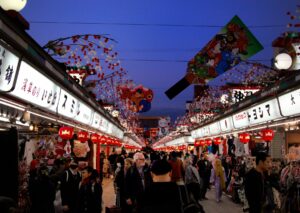
Visit Tokyo’s oldest temple for a taste of history. Walk down Nakamise-dori, a shopping street leading to the temple, filled with traditional snacks and souvenirs.
Practical Tip:* Go early in the morning (around 7:00 AM) to avoid the tour bus crowds.
2. Tokyo: Shibuya Crossing
Experience the world’s busiest pedestrian crossing. For the best view, head to the Starbucks in the Tsutaya building or the Shibuya Sky observation deck.
Etiquette:* Be mindful of your surroundings and don’t stop abruptly in the middle of the crossing for photos.
3. Kyoto: Fushimi Inari Taisha
This shrine is famous for its thousands of vermilion torii gates that wind up a mountain.
Time:* The hike to the summit takes about 2 hours, but you can turn back at any point.
Cost:* Free entry.
4. Kyoto: Arashiyama Bamboo Grove
Walk through the towering bamboo forest. The sound of the wind rustling the bamboo stalks is famously calming.
Etiquette:* Keep noise down and stay on the path. No flash photography.
5. Day Trip: Hakone or Nikko
If you want to see Mt. Fuji, add Hakone to your plan. It offers boat rides on Lake Ashi and the Hakone Ropeway. If you prefer waterfalls and nature, head to Nikko.
Cost:* Train tickets are covered by the JR Pass if you have one.
Transportation & Access
Getting around Japan is efficient, but it requires preparation.
The JR Pass (Japan Rail Pass)
For this itinerary, the JR Pass is a major consideration. It allows unlimited travel on most JR trains, including the Shinkansen (bullet train).
Note:* As of late 2023, the price of the JR Pass increased significantly. For a simple Tokyo-Kyoto round trip, it may now be cheaper to buy individual Shinkansen tickets. Use the official JR calculator online to check current pricing.
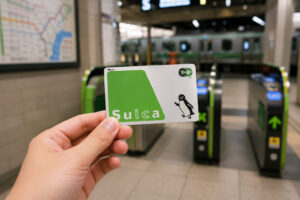
IC Cards (Suica / Pasmo / Icoca)
These are rechargeable smart cards for local trains, subways, buses, and even convenience stores. You can now add them to your iPhone or Android wallet (Apple Wallet in Japan) and tap your phone to pay—no physical card needed.
Shinkansen (Bullet Train)
Traveling from Tokyo to Kyoto takes about 2 hours and 15 minutes.
Tip:* Board the Hikari or Nozomi trains (covered by JR Pass) or Sakura trains. Avoid the Kodama trains, which stop at many stations. Remember to reserve a seat if traveling during peak hours.
Practical Travel Tips
Cash is King (Sometimes)
While major hotels and department stores take cards, many local restaurants, temples, and small shops are cash-only. Always carry 10,000 to 20,000 Yen in cash.
Luggage Forwarding (Takuhaibin)
Don’t drag huge suitcases onto crowded trains. Use Yamato Transport (often found at hotel front desks) to ship your luggage from Tokyo directly to your Kyoto hotel. It usually arrives the next day and costs about 2,000 Yen per bag.
Trash Disposal
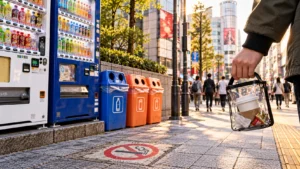
Public trash cans are rare in Japan. Carry a small plastic bag to hold your trash until you find a bin (usually near vending machines or train stations) or return to your hotel.
Shoes
You will be taking your shoes off frequently at temples, traditional restaurants, and Ryokans (inns). Wear slip-on shoes and ensure your socks are hole-free!
Common Mistakes to Avoid
Over-scheduling
Trying to see Tokyo, Kyoto, Osaka, Hiroshima, and Hakone in 7 days is a recipe for burnout. Stick to Tokyo and Kyoto with one day trip. Quality over quantity is key.
The “Gaijin Smash”
Never walk while eating or drinking. It is considered rude. Also, do not talk loudly on your phone on public transportation.
Missing the Last Train
Trains stop running around midnight. If you miss the last train, taxis are very expensive. Check your return time carefully or book accommodation near your nightlife spot.
Tipping
Tipping is not a custom in Japan and can even be confusing or rude to staff. Excellent service is standard and included in the price.
Conclusion
A week in Japan is a magical experience that blends sensory overload with deep tranquility. By sticking to the Tokyo-Kyoto corridor, you avoid spending your whole vacation in transit and get to immerse yourself in the best of both the modern and traditional sides of the country.
The efficiency of the rail system makes this journey accessible, and the memories of standing beneath the bamboo groves or crossing the Shibuya scramble will stay with you forever. Start planning your adventure today—you won’t regret it. We hope this guide has helped you visualize your dream trip and empowered you to book your tickets. Make sure to include the iconic sights in your Japan Itinerary 7 Days. This comprehensive japan 7 day trip, japan itinerary is your roadmap to an incredible journey.
FAQs
1. How much money should I bring for 7 days in Japan?
For a moderate budget, plan for roughly 20,000 to 30,000 Yen (approx. $130–$200 USD) per day. This covers food, local transport, and small souvenirs, excluding accommodation and the Shinkansen.
2. Do I need a visa to visit Japan?
Visa requirements depend on your nationality. Citizens of the US, UK, Canada, and many other countries can enter visa-free for up to 90 days. Always check the official Ministry of Foreign Affairs website before booking.
3. Is Wi-Fi available everywhere?
Free Wi-Fi is common in hotels, train stations, and convenience stores, but it can be spotty. Renting a Pocket Wi-Fi device at the airport or buying an eSIM (like Ubigi or Airalo) is highly recommended for navigation and translation apps.
4. Can I use credit cards in Japan?
Visa and Mastercard are widely accepted, but American Express and Discover have lower acceptance rates. Japan is still largely a cash-based society, so always have backup cash.
5. What is the best way to buy Shinkansen tickets?
You can buy them at ticket machines in major stations (which have English options), at ticket offices (Midori-no-madoguchi), or via the “Smart EX” app if you have a foreign credit card.