Japan Solo Travel: The Ultimate Guide to Exploring Japan on Your Own
Introduction
There is something undeniably magical about stepping off a bullet train into a sea of neon lights, or walking through a silent bamboo forest where the only sound is the rustling of leaves. Japan is a country that blends ancient tradition with futuristic innovation, making it one of the most exciting places on earth to explore. While traveling with friends or family is fun, taking the leap into Japan Solo Travel offers a unique sense of freedom and personal discovery.
For first-time visitors, the idea of navigating a country with a different language and customs might seem daunting. However, Japan is widely considered one of the safest and most efficient countries in the world for independent explorers. Whether you are a digital nomad looking for inspiration, a foodie hunting for the best ramen, or a culture enthusiast seeking temples and tea houses, planning a solo travel japan, japan solo trip is an adventure you will never forget.
Overview & Location
Japan is an archipelago located in East Asia, stretching from the Sea of Japan to the Pacific Ocean. The country is divided into several main islands, with Honshu being the largest and most populous. This is where you will find major metropolitan hubs like Tokyo, the capital city, and Kyoto, the cultural heart of the country.
When planning your itinerary, it helps to understand the geography. Tokyo serves as the primary gateway for international flights and is located in the Kanto region. Moving westward, you will reach the Kansai region, home to Osaka, Kyoto, and Nara. The atmosphere changes drastically between these regions: Tokyo is fast-paced, modern, and efficient, while Kyoto offers a slower, more traditional pace with wooden machiya houses and Zen gardens.
Rural Japan, such as the Hokkaido region in the north or Okinawa in the south, offers breathtaking nature and distinct local cultures. For a first-time solo traveler, sticking to the “Golden Route” (Tokyo, Kyoto, Osaka) is a great way to ease into the country before venturing off the beaten path.
Best Time to Visit
Japan offers distinct experiences depending on the season. Choosing the right time to go depends on your weather tolerance and what you want to see.
Spring (March to May): This is the most famous season due to sakura (cherry blossom) season. The weather is mild, and the parks turn pink. However, it is also the busiest and most expensive time to visit.
Summer (June to August): Expect hot and humid weather, along with rainy season in June and July. This is a great time for festivals (matsuri) and climbing Mount Fuji, but pack lightweight clothing and stay hydrated.
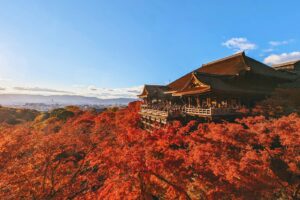
Autumn (September to November): Many travelers consider this the best time to visit. The humidity drops, and the autumn leaves (koyo) turn the mountains fiery red and gold. The food is also exceptional during this harvest season.
Winter (December to February): If you love snow sports, northern Japan (Hokkaido) offers world-class skiing. Cities like Tokyo and Kyoto are less crowded, and you can enjoy onsen (hot springs) while watching the snow fall.
Things to Do / Travel Guide
The activities available in Japan cater to every type of traveler. Here is a breakdown of essential experiences to include in your itinerary:
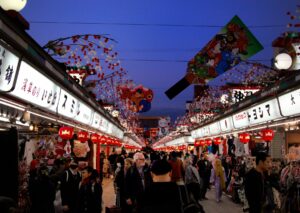
- Explore Tokyo’s Neighborhoods: Don’t just stay in Shinjuku. Visit Harajuku for street fashion, Shibuya for the famous crossing, and Asakusa for the Senso-ji temple.
- Experience Traditional Kyoto: Walk through the Arashiyama Bamboo Grove (early morning is best to avoid crowds) and visit Kinkaku-ji (The Golden Pavilion).
- Food Adventures: Japan is a food paradise. For solo travel japan, japan solo trip, convenience stores (Konbini) are your best friend. Grab onigiri (rice balls) for a quick meal. For dinner, try standing sushi bars (kaiten-zushi) where you can eat fresh fish for a reasonable price without the pressure of a long reservation.
- Visit an Onsen: Soaking in natural hot springs is a quintessential Japanese experience. For solo travelers, look for “kashikiri” (private bath) options if you aren’t comfortable with communal bathing yet.
- Cultural Workshops: Sign up for a tea ceremony class, a sushi-making workshop, or a calligraphy lesson. These are often small group activities where you can meet other travelers.
When you engage in Japan Solo Travel, you have the flexibility to follow your own rhythm—spending three hours in a museum or getting lost in a bookstore without compromising with a group.
Transportation & Access
Japan’s transportation system is the envy of the world. It is punctual, clean, and extensive. Here is how to navigate it:
- The Shinkansen (Bullet Train): This is the fastest way to move between major cities. If you are visiting Tokyo, Kyoto, and Osaka, consider a JR Pass. Note: Prices increased recently, so calculate if it is worth it for your specific route using online calculators.
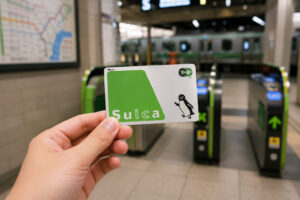
- IC Cards (Suica / Pasmo / Icoca): Get one of these rechargeable cards immediately upon arrival (or add the digital version to your iPhone wallet). They work on subways, buses, and even at vending machines and convenience stores.
- Google Maps / Hyperdia: These apps are indispensable for navigating trains. They tell you exactly which platform to go to and the cost of the trip.
- Airports: Tokyo has two main airports: Narita (NRT) and Haneda (HND). Haneda is closer to the city center and much more convenient for late-night arrivals.
Practical Travel Tips
To ensure your trip goes smoothly, keep these practical tips in mind:
- Connectivity: Pocket Wi-Fi is essential for navigation and translation. You can rent one online and pick it up at the airport, or get an eSIM if your phone supports it.
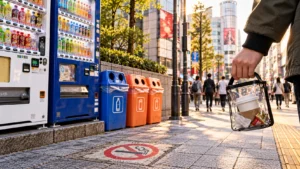
- Trash: Japan is very clean, but public trash cans are rare. Carry a small plastic bag to hold your trash until you find a bin or return to your hotel.
- ATMs: Not all ATMs accept foreign cards. The most reliable places to withdraw cash are 7-Eleven, FamilyMart, or Japan Post Offices.
- Etiquette: Do not talk loudly on trains. It is considered rude. Also, eating while walking is generally frowned upon; take a break to eat or eat at the train station designated areas.
Common Mistakes to Avoid
Even seasoned travelers can slip up in Japan. Here are common pitfalls to avoid:
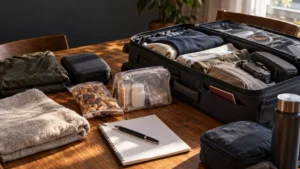
- Packing Too Much: Japan involves a lot of walking and stairs. You don’t want to drag a giant suitcase through crowded stations. Pack light and use luggage forwarding services (Takkyubin) to send bags between hotels.
- Trying to Do Too Much: Japan is deceptively large. Trying to hit Tokyo, Kyoto, Hiroshima, and Hokkaido in one week is a recipe for burnout. Focus on quality over quantity.
- Underestimating Travel Time: While the trains are fast, getting to the station, buying tickets, and walking to your final destination takes time. Always add a buffer to your schedule.
- Ignoring Cash Needs: While credit cards are becoming more common, many small restaurants, bars, and rural attractions are cash-only.
Conclusion
Japan is a country that rewards the curious. It is safe, welcoming, and endlessly fascinating. Whether you are slurping noodles in a tiny alleyway shop or gazing at Mount Fuji from a bullet train window, every moment feels like a discovery. The logistics are easier than you might think, and the cultural riches are worth every penny.
Going on Japan Solo Travel allows you to connect deeply with the environment and yourself. It is an opportunity to step out of your comfort zone and experience a way of life that is both incredibly modern and deeply rooted in history. If you have been waiting for a sign to book that ticket, this is it. Start looking at flights and plan your amazing solo travel japan, japan solo trip. You won’t regret it.
FAQs
Is Japan safe for solo travelers?
Yes, Japan is consistently ranked as one of the safest countries in the world. Crime rates are extremely low, and it is common to see people leaving their laptops on tables in cafes to reserve seats. However, always exercise standard travel caution.
Do I need to speak Japanese?
No, you don’t need to be fluent. In major cities, signs are in English, and major transit hubs have English announcements. Google Translate (especially the camera feature) works wonders for reading menus and signs. Learning a few phrases like “Arigato” (Thank you) and “Sumimasen” (Excuse me) goes a long way.
How much should I budget per day?
This depends on your travel style. A budget traveler can get by on $60–$80 USD per day using hostels and convenience store meals. A mid-range traveler should budget $120–$200 USD per day for business hotels and sit-down meals. Luxury travelers can spend $300+ USD per day easily.
What is the best payment method?
Bring a credit card that does not charge foreign transaction fees. However, always carry some cash (Yen) as many small businesses and rural areas still operate on a cash-only basis.
Is it hard to find vegetarian food?
It can be challenging since dashi (fish stock) is a base ingredient in many dishes. However, it is not impossible. Look for Shojin Ryori (traditional Buddhist vegetarian cuisine), particularly in Kyoto, or visit Indian and Italian restaurants which are widely available in cities.