The Ultimate Guide to Japan’s Street Food: A Journey Through Flavor and Culture
Introduction
Imagine walking through a bustling alleyway, the air filled with the savory aroma of sizzling skewers and the sweet scent of caramelized sugar. Japan is a culinary wonderland, and its food scene extends far beyond high-end sushi bars and steaming bowls of ramen. The true heartbeat of the country’s cuisine is found on its streets, in vibrant markets, and at colorful festival stalls. For any traveler, diving into the world of Street Food in Japan is an essential experience. It offers a delicious and accessible way to connect with local culture. From the salty and savory to the sweet and surprising, exploring japanese street food, food markets japan is a delicious adventure you won’t want to miss.
Overview & Location
Japan’s street food culture is a nationwide phenomenon, but it is most concentrated in the bustling urban centers of Tokyo, Osaka, and Kyoto. These culinary hotspots are often located around major train stations, in famous shopping arcades (known as shotengai), and next to temples and shrines. In Tokyo, you’ll find traditional snacks nestled alongside modern treats. Osaka, famously known as Japan’s “kitchen,” boasts a particularly vibrant street food scene, especially in the Dotonbori district, where neon lights reflect off the river and the air is thick with the smell of grilled meat. Kyoto offers a more refined street food experience, often centered around historical areas like Gion and Nishiki Market. The atmosphere is a unique blend of old and new, where centuries-old recipes are sold from modern stalls right next to convenience stores selling the latest food trends.
Best Time to Visit
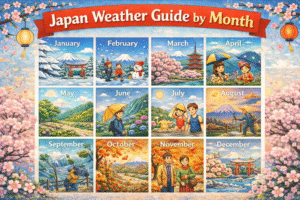
You can enjoy Japan’s street food year-round, but certain seasons offer unique advantages. Spring (March to May) brings pleasant weather and the famous cherry blossoms, creating a beautiful backdrop for a stroll with a skewer of yakitori. Summer (June to August) is festival season! Countless local and regional festivals (matsuri) take place, bringing with them a huge variety of exclusive food stalls. However, it can be hot and humid. Autumn (September to November) is arguably the best time, with crisp, comfortable weather and beautiful fall foliage. Winter (December to February) can be cold, but nothing beats warming up with a hot medetai fish-shaped cake or a cup of steaming takoyaki in a cozy market alley. For the best balance of good weather, festive events, and fewer crowds, aim for October or November.
Things to Do / Travel Guide
Your street food journey should be a mix of exploration and tasting. Here are some essential activities and must-try items:
-
- Visit a Famous Food Market: Start at a major market to get a feel for the variety. Tsukiji Outer Market in Tokyo is a classic choice, offering everything from fresh seafood skewers to sweet egg omelets. Nishiki Market in Kyoto is known as “Kyoto’s Kitchen” and is perfect for trying regional specialties.
- Stroll Through Dotonbori in Osaka: This is the heart of Street Food in Japan. Follow the Glico Running Man sign and prepare to be overwhelmed by choices. This is the place to try Takoyaki (octopus balls) and Okonomiyaki (savory pancake).
- Try the Classics: No trip is complete without trying:
-
- Takoyaki: Ball-shaped batter snacks filled with minced octopus. A true Osaka icon.
- Yakitori: Grilled chicken skewers, typically seasoned with salt (shio) or a sweet soy-based tare sauce. Perfect with a beer.
- Taiyaki: A fish-shaped cake filled with sweet red bean paste, custard, or chocolate.
- Taiyaki: A fish-shaped cake filled with sweet red bean paste, custard, or chocolate.
- Yaki Imo: Roasted sweet potatoes sold from a cart, often announced by a distinct bell or recorded song.
- Explore a Convenience Store (Konbini): Don’t underestimate 7-Eleven, FamilyMart, or Lawson. They are treasure troves of high-quality, affordable snacks like onigiri (rice balls), sandwiches, and even japanese street food, food markets japan-style hot foods.
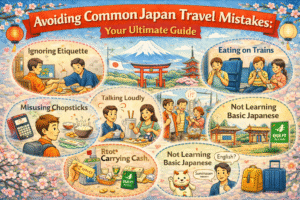
- Etiquette Tips: While walking and eating (tabearuki) is generally acceptable at festivals and in dedicated food alleys, it’s considered polite to not walk while eating in regular city streets. Find a spot to stand to the side, finish your food, and dispose of trash properly in the nearest bin (public trash cans can be surprisingly rare, so hold onto your wrapper until you find one).
-
Transportation & Access
Getting to street food hubs is incredibly easy thanks to Japan’s world-class public transportation system. Almost every major food spot is within a 5-10 minute walk from a train or subway station.
-
- Using IC Cards: The most important tool for a traveler is a rechargeable IC card like Suica, Pasmo, or Icoca. You can tap and go on all trains, subways, and buses, and even use them to pay at many convenience stores and ticket machines.
- From the Airport: Major airports like Narita (Tokyo) and Kansai (Osaka) are connected to the city center by express trains. From there, you can easily transfer to local lines.
- Nearest Stations for Foodie Hubs:
-
- Tsukiji (Tokyo): Tsukiji Station (Hibiya subway line) or Hamacho Station (Tozai line).
- Dotonbori (Osaka): Namba Station (multiple lines) is the closest major station.
- Nishiki Market (Kyoto): Shijo Station (Karasuma subway line) or Kyoto Karasuma Station (Hankyu line).
-
Pro-Tip: For extensive travel between cities, consider a Japan Rail Pass (JR Pass), but for travel within cities, your IC card is your best friend.
Practical Travel Tips
-
- Cash is King (Sometimes): While major stalls and chain stores accept cards, many smaller, independent vendors are cash-only. Always carry some yen.
- Trash Disposal: Public trash cans are not common. Carry a small plastic bag to store your trash until you return to your hotel or find a bin, often located near vending machines.
- Safety: Japan is one of the safest countries in the world. You can eat and walk without worrying about theft. Just be mindful of your surroundings to avoid bumping into others.
- Pointing is Okay: If you don’t speak Japanese, it’s perfectly acceptable to point at what you want. Many stalls have plastic food displays, which makes ordering very easy.
- Allergies: Be aware of common Japanese ingredients like soy, fish stock (dashi), and sesame. It’s a good idea to have a card written in Japanese explaining any severe allergies.
Common Mistakes to Avoid
-
- Eating While Walking in Crowded Areas: It’s generally frowned upon to walk and eat in busy pedestrian areas. Step to the side to enjoy your snack.
- Only Eating at Tourist Traps: While famous spots are great, venture a block or two away from the main attraction for more authentic and often cheaper options.
- Not Trying the “Konbini” Food: Skipping the convenience stores is a huge mistake. They offer amazing, cheap, and delicious food options for a quick breakfast or late-night snack.
- Overlooking Festival Stalls: If you see a festival, go in! The food stalls (yatai) that pop up during these events often serve unique items you won’t find anywhere else.
- Being Afraid to Try New Things: Japan has unique textures and flavors. Don’t be afraid to try something that looks interesting but unfamiliar. It’s part of the adventure!
Conclusion
Exploring Japan through its food is a truly immersive and unforgettable experience. The vibrant energy of the stalls, the friendly vendors, and the incredible variety of flavors create memories that last a lifetime. It’s an adventure that is accessible to everyone, regardless of budget or travel style. If you’re planning your itinerary, make sure to leave ample time to simply wander, explore, and eat. The experience of tasting authentic Street Food in Japan provides a deeper understanding of the country’s culture and passion for food. It’s more than just a meal; it’s a story, a tradition, and a delicious journey you’ll cherish forever, connecting you directly to the heart of japanese street food, food markets japan.
FAQs
How much does street food in Japan typically cost?
Most street food items range from ¥200 to ¥800 (approximately $1.50 to $5.00 USD). This makes it a very affordable way to enjoy a full day of eating.
Is it safe to eat street food in Japan?
Yes, Japan has extremely high standards for food hygiene and safety. You can eat from street stalls with complete confidence. The country is known for its cleanliness.
Do I need to know Japanese to order?
Not at all! Many stalls have picture menus, plastic food displays, or numbers. Pointing and using simple gestures works perfectly. A polite “onegaishimasu” (please) and “arigato gozaimasu” (thank you) will be appreciated.
Are there vegetarian or vegan options available?
It can be challenging as many dishes use fish-based broth or bonito flakes. However, sweet treats like taiyaki (with custard or red bean paste), dango (rice dumplings), and some vegetable skewers are options. Look for “shojin ryori” (Buddhist vegetarian) stalls if you’re at a temple market.
What is the best city for street food?
While Tokyo and Kyoto have fantastic scenes, Osaka is often considered the street food capital of Japan. Its “kuidaore” (eat ’til you drop) culture means the city is packed with incredible and affordable food options everywhere you look.