Japan Muslim Travel Guide
There’s a special magic to Hakone. Just a short train ride from the relentless energy of Tokyo, this mountain resort town offers misty peaks, sparkling lakes, steaming onsen (hot springs), and a rhythm of life that encourages you to slow down and breathe. For years, visiting Hakone felt like a puzzle for Muslim travelers, especially when it came to finding halal food. But that landscape has shifted dramatically. Today, the area is blossoming into a welcoming destination for travelers seeking unique experiences, including accessible Japan Muslim Travel adventures that blend nature, culture, and mindful exploration. Whether you’re hunting for the perfect photo of Mt. Fuji, gliding over the scenic Owakudani Valley on a cable car, or simply soaking in a private onsen, Hakone is ready to welcome you.
Visiting Japan as a Muslim traveler is becoming easier by the year. The growth of muslim friendly japan, halal japan options means you no longer have to compromise on your dietary requirements while exploring iconic sites. Hakone is a perfect example of this shift. It’s a place where you can find halal-friendly dining, prayer spaces, and gentle guidance for navigating local etiquette. This guide will walk you through everything you need to know to plan a smooth, respectful, and unforgettable trip to Hakone.
OVERVIEW & LOCATION
Hakone is located in Kanagawa Prefecture, about 100 kilometers southwest of Tokyo. It sits in the foothills of Mount Fuji, part of the Fuji-Hakone-Izu National Park. The town is a collection of smaller villages and hamlets scattered through steep valleys, winding forested paths, and along the shores of Lake Ashinoko (Ashino-ko). The atmosphere is distinctly alpine, with crisp mountain air and dense cedar forests.
Culturally, Hakone has been a rest stop for weary travelers since the feudal Edo period (1603–1868). It marks the beginning of the historic Tokaido road, the main highway linking Tokyo (then Edo) with Kyoto. The Hakone Checkpoint Museum stands as a reminder of this history, offering a glimpse into how shogunate guards regulated travel. Today, Hakone is a blend of that historical significance and modern mountain resort charm—think ryokans (traditional inns), art museums, and steam vents from its volcanic geology.
BEST TIME TO VISIT
Hakone is a year-round destination, but each season brings a different character:
-
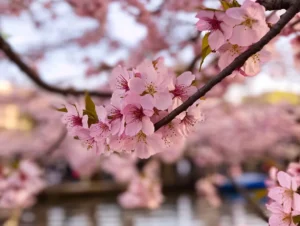
- Spring (March–May): Famous for cherry blossoms (sakura). While not as dense as Tokyo or Kyoto, the combination of pink blooms, fresh greenery, and possible views of Mt. Fuji makes spring a favorite. Weather is mild, and crowds are moderate.
- Summer (June–August): This is the rainy season (tsuyu) until early July, followed by heat and humidity. It’s lush and vibrant, though high humidity and afternoon showers are common. Summer evenings can be cool due to the elevation.
- Autumn (September–November): Arguably the most stunning season. The mountains turn into a tapestry of reds, oranges, and yellows. September can still see typhoons, but October and November offer crisp air, clear skies, and spectacular foliage.
- Winter (December–February): Cold but manageable. Snow is light and infrequent. If you’re lucky, you may get a rare clear view of Mt. Fuji against a snowy landscape. Fewer tourists make it a peaceful time to visit, but be prepared for limited transport if heavy snow hits (though rare).
For first-time visitors, autumn (late October to mid-November) and spring (late March to early April) are the sweet spots for comfortable weather and scenic beauty.
THINGS TO DO / TRAVEL GUIDE
Hakone’s attractions are spread out, so planning is essential. The classic “Hakone Loop” is a scenic circuit using trains, cable cars, ropeways, and a pirate ship on Lake Ashinoko. Here are the must-see spots:
-
- Lake Ashinoko & the Pirate Ship: The highlight of the loop. Hop on a brightly colored “pirate ship” for a 30-minute cruise around the lake. On a clear day, you’ll get iconic shots of Mt. Fuji rising above the water.
- Hakone Ropeway & Owakudani Valley: The ropeway glides you over steamy volcanic vents and the sulfuric landscape of Owakudani. Here, you can try kuro-tamago (black eggs), hard-boiled eggs cooked in sulfur-rich hot springs, said to add seven years to your life. While not halal (as they’re cooked in the same water), it’s a cultural icon of Hakone. You can bring your own food to eat nearby instead.
- Hakone Shrine & Torii Gate: Located near the lake’s shore, this picturesque shrine is marked by a striking red torii gate standing in the water. It’s a serene spot for reflection.
- Onsen Experience: Hakone is synonymous with hot springs. Many ryokans offer private onsen (kashikiri) where you can bathe in privacy. Booking a stay at a ryokan with a private bath is highly recommended for Muslim travelers to maintain modesty and comfort.
- Open-Air Museum: A fantastic outdoor sculpture park set in the mountains. It’s an easy walk and features works by Picasso and Henry Moore, plus interactive art installations.
- Cheeseecake at Gora Park: For a sweet treat, Gora Park’s cake house is a popular stop. While not strictly halal, it’s a charming spot with views to enjoy during your tour.
Halal & Muslim-Friendly Food Options:
Historically, finding Japan Muslim Travel dining was a challenge, but options are improving. In Hakone Town (near Hakone-Yumoto Station), look for Indian or Pakistani-run restaurants that often offer halal meals. Some ryokans now offer vegetarian or pescatarian meals that can be adjusted for Muslim guests—always ask in advance. For a quick bite, convenience stores like Lawson and 7-Eleven have a variety of onigiri (rice balls), sandwiches, and salads. Check labels carefully for hidden pork or alcohol. In nearby Atami, there’s more variety. Remember, muslim friendly japan, halal japan options are growing, but it’s still wise to carry snacks and check ingredients.
TRANSPORTATION & ACCESS
Getting to Hakone is straightforward, but navigating once you’re there requires a bit of strategy.
From Tokyo:
-
- Odakyu Romancecar: Direct express train from Shinjuku Station to Hakone-Yumoto (approx. 85 minutes). Comfortable, scenic, and often has reserved seating.
- Shinkansen + Local Train: Take the Tokaido Shinkansen from Tokyo Station to Odawara Station (approx. 35 minutes), then transfer to the local Hakone Tozan Railway to Hakone-Yumoto (approx. 15 minutes). Total time is similar, but you may need to change trains.
Getting Around Hakone:
The Hakone Free Pass (available from Odakyu) is a lifesaver. It covers unlimited use of most transport in the Hakone area: the Hakone Tozan Railway, cable car, ropeway, Hakone Sightseeing Boats, and even buses. It also includes a discount on the Romancecar. Buy it when you leave Tokyo; you can purchase it at Odakyu Sightseeing Service Centers.
Key Stations:
-
- Hakone-Yumoto: The main gateway town. Base here for access to transport and eateries.
- Gora: Where the cable car starts. Good for art museum visits.
- Togendai: The ropeway terminus and boat dock. The heart of the loop.
First-Time Visitor Tips:
-
- Download offline maps or a translation app; English signage is good but not universal.
- Trains are punctual. Aim to finish the loop by late afternoon to avoid missing the last transport.
- While cash is still king in rural Japan, many ticket machines and larger shops now accept IC cards (Suica/Pasmo) and credit cards.
PRACTICAL TRAVEL TIPS
-
- Modesty & Onsen: For public onsen, tattoos are often discouraged, and you must wash thoroughly before entering. Private onsen at ryokans are the best option for Muslim travelers. You can book these separately if you’re not staying overnight.
- Prayer Spaces: Dedicated prayer rooms are rare in Hakone. The best option is to use your hotel room, a quiet corner of a park, or your luggage space. Portable prayer mats are handy. Hakone is peaceful and quiet, making it conducive to prayer.
- Money: Carry yen. While ATMs are available, many small shops and ryokans are cash-only.
- Etiquette: Be mindful of noise on trains and in public. Remove shoes when entering traditional spaces. Tipping is not customary and can be confusing.
- Packing: Comfortable walking shoes are essential for mountain paths. Layers are key—temperatures drop quickly at higher elevations.
- Food Safety: If you’re vegetarian, “shojin ryori” (Buddhist temple cuisine) is halal-friendly but rare in Hakone. Always confirm ingredients with restaurants.
COMMON MISTAKES TO AVOID
-
- Underestimating Travel Time: The Hakone Loop can take 5–6 hours comfortably. Don’t try to cram it into a half-day. Many tourists miss the last boat or ropeway by rushing.
- Assuming All “Halal” Means Halal: Some places use “halal” loosely. Always verify. If in doubt, stick to vegetarian options or your own packed food.
- Ignoring Weather: Mountain weather changes fast. Check forecasts and carry an umbrella or rain jacket.
- Booking Last-Minute Ryokans: Hakone ryokans, especially those with private baths, book up weeks in advance, particularly during peak seasons.
- Missing the Hakone Checkpoint: It’s a fascinating piece of history and often overlooked. It adds depth to understanding the region.
CONCLUSION
Hakone proves that you don’t have to sacrifice your values to experience Japan’s most iconic landscapes. With careful planning, you can enjoy private onsen, scenic views, and delicious meals that respect your dietary needs. As the network of muslim friendly japan, halal japan services expands, Hakone stands out as a destination that’s both accessible and authentic. It’s a place where history, nature, and modern comfort meet—and where Muslim travelers can feel genuinely welcome.
For those crafting a thoughtful itinerary, Hakone offers a perfect balance of relaxation and adventure. It’s an essential stop on any journey exploring Japan Muslim Travel opportunities, blending the timeless beauty of the mountains with the warm hospitality that defines the country.
FAQs
Q: Is there a direct flight to Hakone?
A: No. The nearest airports are Tokyo (Narita or Haneda). From there, take the train to Tokyo Station or Shinjuku, then follow the access routes above.
Q: How much should I budget for a day trip to Hakone?
A: A day trip from Tokyo using the Hakone Free Pass costs approximately ¥5,000–¥6,000 round-trip (including the pass). Food costs vary; halal meals can be ¥1,000–¥2,500. Private onsen bookings start around ¥2,000–¥5,000 per hour.
Q: Can I find halal-certified ryokans?
A: Very few are fully halal-certified. However, many ryokans offer vegetarian or seafood-based kaiseki meals that can be adjusted. Always contact the ryokan in advance to discuss your dietary needs. Booking a ryokan with a private bath is highly recommended.
Q: Is it easy to get around with limited Japanese?
A: Yes. Signage is available in English, ticket machines have English options, and many staff speak basic English. Google Translate (with camera function) is very helpful.
Q: What’s the best way to see Mt. Fuji?
A: The classic view is from the Hakone ropeway or the pirate ship on Lake Ashinoko. However, Mt. Fuji is famously shy and often covered by clouds. For the best chance, visit on a clear day with low humidity. Early morning or late afternoon offers the clearest skies.