Top 5 Japan Adventure Travel Destinations for an Unforgettable Trip
When you think of Japan, your mind might drift to neon-lit cities, ancient temples, or serene gardens. But beyond the bustling streets of Tokyo and the historic alleys of Kyoto lies a wilder side waiting to be explored. From the snow-capped peaks of Hokkaido to the subtropical jungles of Yakushima, the Land of the Rising Sun offers some of the most diverse and thrilling landscapes on Earth. This guide will take you through five incredible locations that are perfect for your next Japan Adventure Travel itinerary, where you can enjoy amazing hiking japan, adventure japan experiences.
Overview & Location
1. The Japanese Alps (Nagano & Toyama Prefectures)
Located in the center of Honshu, the main island, the Japanese Alps are a mountain range that rivals any in Europe. This region is famous for its “Alpine Route,” a scenic corridor that cuts through towering peaks and deep valleys. It is a world away from the urban sprawl, offering fresh mountain air and traditional villages.
2. Yakushima Island (Kagoshima Prefecture)
Located south of Kyushu, Yakushima is a subtropical island covered in an ancient cedar forest. It is a UNESCO World Heritage site and the inspiration for the Studio Ghibli film Princess Mononoke. The landscape is mystical, with moss-covered rocks and waterfalls everywhere.
3. Hokkaido (The Northern Frontier)
Hokkaido is Japan’s northernmost prefecture and offers a rugged, untamed environment. In winter, it is a snowy wonderland; in summer, it transforms into rolling fields of lavender and wildflowers. It is the ultimate destination for those who love wide-open spaces.
4. The Kunisaki Peninsula (Oita Prefecture)
This peninsula in Kyushu is a hidden gem. It is known for “Rokugo Manzan,” a unique blend of Buddhism, Shintoism, and mountain worship. The area is dotted with stone Buddhas carved into cliffs and hiking trails that weave through dense forests.
5. Okinoshima (Okinawa Prefecture)
While Okinawa is famous for beaches, the remote island of Okinoshima is strictly for the adventurous spirit. It is an uninhabited island with a strict “no women” tradition (dating back centuries) and is considered one of the most sacred sites in Japan. Access is highly restricted, making it the ultimate off-the-beaten-path destination.
Best Time to Visit
Timing your trip is crucial for a successful adventure.
- The Japanese Alps: Best visited from June to September. The snow melts by early June, opening up the high-altitude trails. July and August are peak months, offering warm days but cooler nights. Avoid late autumn when roads may close due to snow.
- Yakushima: May to October is ideal. It rains almost every day here (it is one of the wettest places in Japan), but the summer months offer the best chance for clear hiking conditions. July and August are hot and humid.
- Hokkaido: July to September for hiking and flower viewing. If you want winter sports, visit January to March. The summer offers the mildest weather in all of Japan during this time.
- Kunisaki Peninsula: October to November is spectacular for autumn foliage. March to April is great for cherry blossoms without the crowds of major cities.
- Okinoshima: Access is limited to a few ferries per month during the calm seas of summer (May to September). However, you must book well in advance through approved tour operators.
Things to Do / Travel Guide
Here is a breakdown of the top activities for your Japan Adventure Travel plan.
Japanese Alps:
- Traverse the Alpine Route: This involves multiple modes of transport, including a ropeway, bus, and trolley bus, to reach the highest point accessible by public transport in Japan.
- Mountain Climbing: Mount Tateyama and Mount Fuji (nearby) offer challenging climbs.
- Stay in a Mountain Hut: Experience the camaraderie of hikers by sleeping in a basic mountain lodge.
Practical Tip:* Bring layers. The weather changes rapidly. Hiking poles are highly recommended for the steep, rocky terrain. This region offers the best hiking japan, adventure japan trails in the country.
Yakushima:
- See the Jomonsugi: Hike to the “Primeval Cedar,” a tree that is over 1,000 years old (some say 1,000 to 2,000 years old depending on definition).
- Yakushima Wildlife: Watch for the native Yakushima macaque (snow monkey) and the Yakushima deer, which roam freely.
Practical Tip:* Rent a car. Public transport is sparse. The roads are narrow and winding, so take your time.
Hokkaido:
- Daisetsuzan National Park: Known as the “Roof of Hokkaido,” this is a hiker’s paradise.
- Furano Flower Fields: Visit in July for the famous lavender hills.
Practical Tip:* In summer, bring bug spray. The mosquitoes can be fierce. In winter, ensure you have winter tires and warm clothing rated for sub-zero temperatures.
Kunisaki Peninsula:
- Stone Buddha Trekking: Follow the walking trails that connect dozens of ancient stone carvings.
Stay at a Shukubo: Experience a temple stay (Shukubo) and try Shojin Ryori* (Buddhist vegetarian cuisine).
Practical Tip:* Rent a car or bring a bicycle. The area is rural and the bus schedule is infrequent.
Okinoshima:
- Sacred Rituals: Visitors are not allowed to speak loudly or bring food onto the island. You must leave your phone/camera in a locker.
- Snorkeling/Diving: The waters are crystal clear and teeming with marine life.
Practical Tip:* This is not a casual tourist stop. You must apply for permission months in advance and strictly follow the shrine’s rules.
Transportation & Access
- Japanese Alps: The nearest major city is Nagoya. From Nagoya, take the JR Limited Express “Shinano” to Matsumoto or Toyama. The Alpine Route starts at either end. JR Passes are valid on most trains and buses here.
- Yakushima: Fly from Kagoshima City (40 mins) or take a high-speed ferry (2-3 hours). Flights operate daily, while ferries run several times a day.
- Hokkaido: The fastest way is to fly from Tokyo to New Chitose Airport (Sapporo) or Asahikawa. Alternatively, take the Shinkansen to Hakodate (via the Seikan Tunnel), which is covered by the JR Pass.
- Kunisaki Peninsula: The nearest airport is Oita Airport. Take a train to Bungotakada station. JR Passes are valid on local trains.
- Okinoshima: Access is only via ferry from Konominato Port in Munakata, Fukuoka Prefecture. You must join a guided tour to set foot on the island.
Practical Travel Tips
- Cash is King: While cities accept cards, remote adventure areas often rely on cash. Carry at least ¥20,000 in small bills.
- Pack In, Pack Out: In remote nature spots, there are rarely trash cans. Bring a small bag to carry your garbage with you.
- Data Connection: Rent a Pocket Wi-Fi at the airport. GPS is essential for hiking, and Google Maps works well in Japan.
- Etiquette: Never hike in cotton clothing in humid areas (it causes hypothermia in cold, wet conditions). Always take your shoes off when entering temples or mountain huts.
Common Mistakes to Avoid
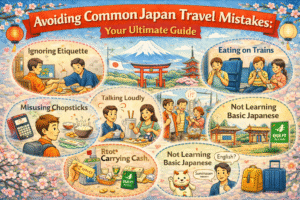
1. Underestimating the Weather: Japanese weather can be extreme. A sunny morning can turn into a thunderstorm by afternoon in the mountains. Always check the forecast and carry rain gear.
2. Wearing Sneakers on Rough Trails: Fashionable sneakers are dangerous on Japanese rocky trails. Invest in proper hiking boots with ankle support.
3. Expecting English Signage: In the deep countryside, signs may only be in Japanese. Download offline translation apps and maps beforehand.
4. Overpacking: You will likely need to haul your luggage up steep stairs or into small trains. Pack light, using layers rather than bulky items.
Conclusion
Japan offers a depth of natural beauty that extends far beyond its famous cultural landmarks. Whether you are trekking through the misty forests of Yakushima, standing atop the snowy peaks of Hokkaido, or exploring the sacred stone Buddhas of the Kunisaki Peninsula, these experiences will stay with you forever. This type of immersive exploration is what makes Japan Adventure Travel so special. By venturing off the beaten path, you discover the true heart of the country, engaging in authentic hiking japan, adventure japan activities that few tourists ever experience.
FAQs
Q: Is a JR Pass worth it for these destinations?
A: Yes, if you are visiting multiple regions. It covers the Shinkansen to Nagano, Hakodate (Hokkaido), and local JR lines in the Japanese Alps. It does not cover flights or the ferries to Yakushima/Okinoshima.
Q: Do I need to speak Japanese?
A: In Tokyo and Kyoto, you can get by with English. In the remote areas listed above, English is scarce. Learning basic phrases like “Sumimasen” (Excuse me) and “Arigato” (Thank you) is essential.
Q: What is the physical fitness level required?
A: It varies. Yakushima and the Kunisaki Peninsula offer moderate hikes suitable for most people. The Japanese Alps and Hokkaido peaks can be strenuous and require good cardiovascular fitness.
Q: Is it safe to travel alone in these areas?
A: Japan is extremely safe. However, for remote hiking, always register your route with local visitor centers or share your plan with your accommodation host.
Q: When should I book for Okinoshima?
A: Tours are limited and fill up months in advance. You should apply for the tour at least 3 to 6 months before your intended travel date.