Introduction
The Ultimate First-Timer’s Guide to Kyoto: Culture, Temples, and Tranquility
Welcome to Kyoto, the cultural heart of Japan and a city where ancient traditions coexist with modern life. From the golden glow of Kinkaku-ji reflecting in its mirror pond to the ethereal Arashiyama Bamboo Grove, Kyoto offers an unforgettable journey into the soul of Japan.
For first-time visitors, navigating the sheer number of sights can be daunting, but this comprehensive guide is designed to help you make the most of your trip. Whether you are looking for culinary delights, historic temples, or quiet mountain retreats, this Japan Travel Guide will ensure you experience the best of the city. To help you plan your journey smoothly, we have gathered essential travel japan tips, japan tourism insights that will make your visit as seamless as it is magical.
Table of Contents
Overview & Location
Kyoto is located in the Kansai region on the island of Honshu, nestled between mountains on three sides. It served as Japan’s imperial capital for over a millennium, from 794 to 1868, which is why it remains the custodian of the country’s traditional arts, architecture, and religions.
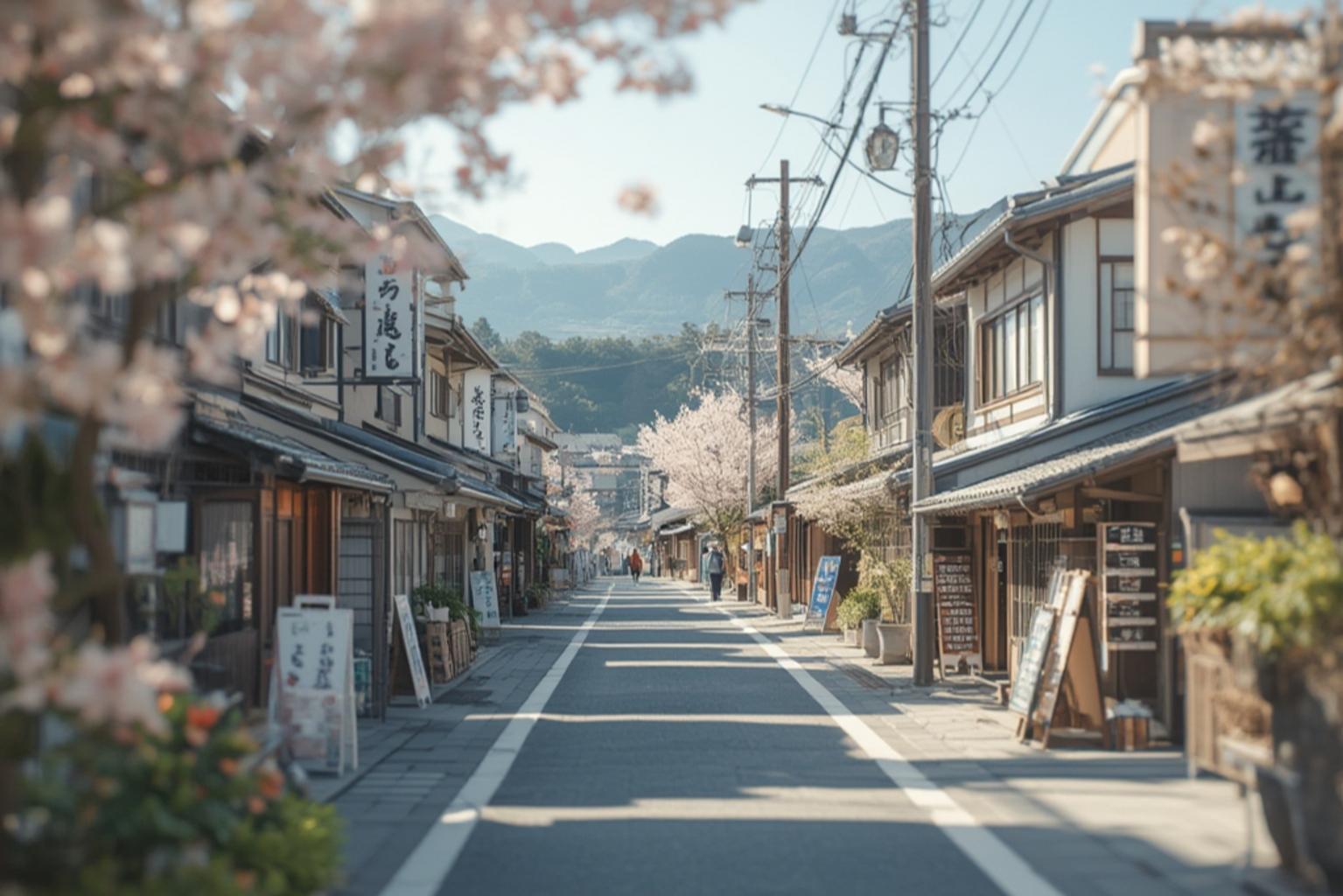
While Tokyo represents the frenetic energy of the future, Kyoto is the guardian of the past. You will find the city divided into distinct areas: Higashiyama (Eastern Kyoto) for temples and preserved streets, Arashiyama (Western Kyoto) for nature and scenery, and Northern Kyoto for more secluded Zen temples. The city is relatively compact, though the bus system is essential for reaching the furthest sights.
Best Time to Visit
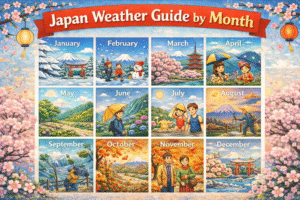
Kyoto is a year-round destination, but timing your visit can significantly impact your experience.
- Spring (March–May): This is cherry blossom (sakura) season. The city turns into a sea of pink, specifically along the Philosopher’s Path. However, expect massive crowds and higher hotel prices.
- Summer (June–August): Hot and humid, with the Gion Festival in July. It is lush and green, but the heat can be challenging for sightseeing.
- Autumn (September–November): Arguably the most spectacular time. The autumn foliage (koyo) turns the temples vibrant red and gold. The weather is crisp and pleasant.
- Winter (December–February): Quiet and cold. Seeing Kinkaku-ji covered in a dusting of snow is a rare treat for those willing to brave the chill.
Things to Do / Travel Guide
Kyoto boasts over 2,000 temples and shrines. To make the most of your itinerary, prioritize the “Big Three” sights alongside unique cultural experiences. When following this section of our Japan Travel Guide, consider how each activity fits your interests. Here are the top activities based on current travel japan tips, japan tourism trends:
1. Kinkaku-ji (The Golden Pavilion): The symbol of Kyoto. This Zen temple is covered in gold leaf and sits over a pond. Go right at opening time (9:00 AM) to avoid the tour buses.
2. Fushimi Inari Taisha: Famous for its thousands of vermilion torii gates winding up the mountain. It is open 24/7; hike to the summit for views and fewer people.
3. Arashiyama Bamboo Grove: A towering path of bamboo that creates a mesmerizing soundscape as the stalks sway in the wind. Combine this with a visit to the Tenryu-ji temple nearby.
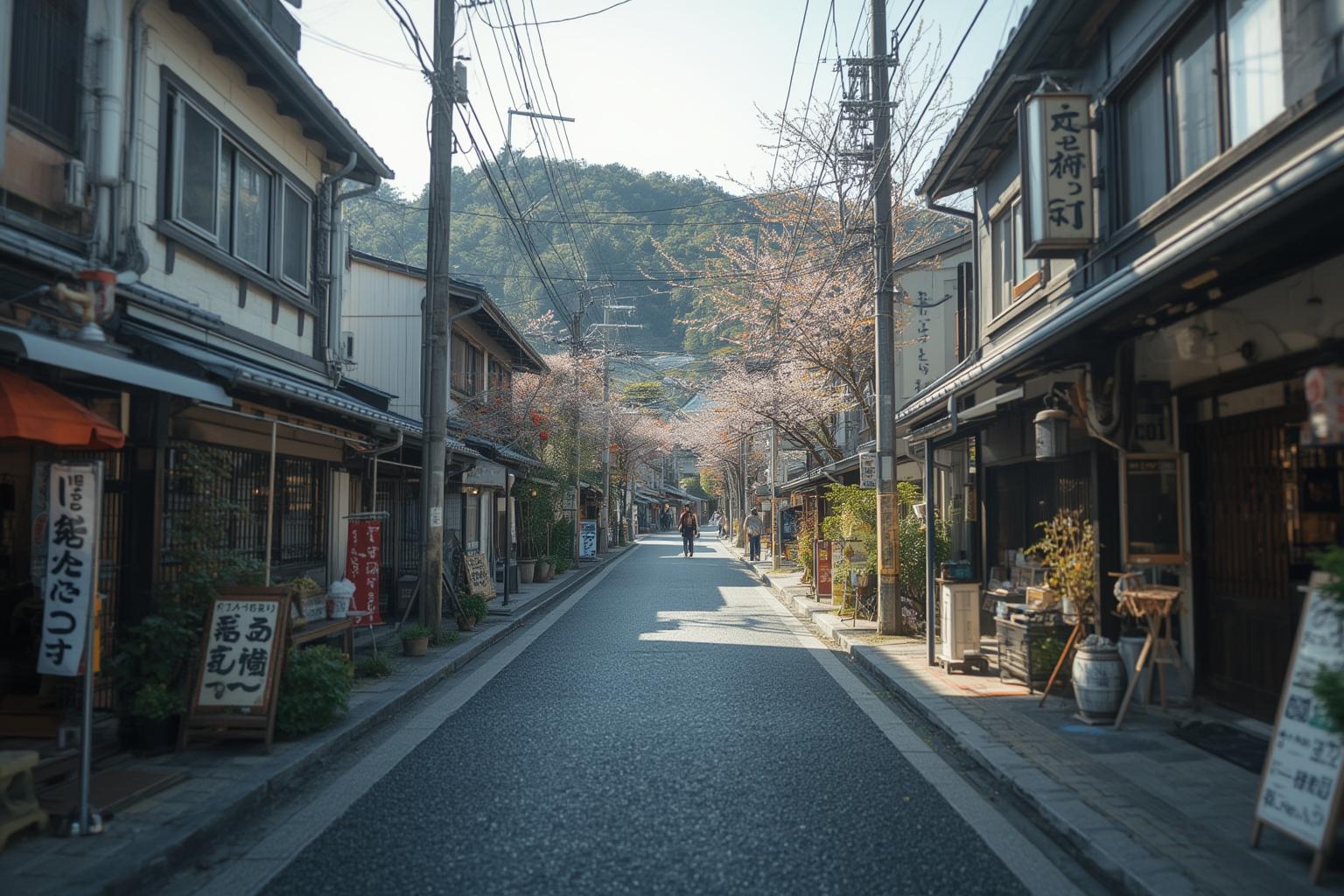
4. Gion District: The famous geisha district. Walk the preserved streets of Hanamikoji in the evening. If you are lucky, you might spot a Geiko or Maiko heading to an appointment. Please respect their privacy and do not block their path for photos.
5. Tea Ceremony: Participate in a traditional tea ceremony to understand the precision and mindfulness of Japanese hospitality.
Transportation & Access
Getting to and around Kyoto requires some planning, but it is very accessible.
- Arrival: Most travelers arrive via Kyoto Station, a major hub connected to the Tokaido Shinkansen line from Tokyo (approx. 2 hours 15 minutes). Alternatively, you can fly into Osaka’s Itami Airport (ITM) or Kansai International Airport (KIX) and take a bus or train.
- Local Transit:
* Buses: The city bus network is extensive and covers almost every major sight. Buy a one-day bus pass (700 yen) for unlimited rides. Note: Buses can get very crowded.
* Subway: There are two subway lines (Karasuma and Tozai) useful for north-south and east-west travel, respectively.
* IC Cards: Get an ICOCA or Suica card for tap-and-go payment on trains and buses.
- First-Time Tip: Taxis are expensive but useful for reaching temples not near bus stops (like the Blue Temple or Gio-ji moss temple) if you are short on time.
Practical Travel Tips
To ensure a smooth trip, keep these logistics in mind.
- Cash is King: While Kyoto is modern, many smaller temples, street food stalls, and restaurants only accept cash. Carry at least 10,000–20,000 yen per day.
- Etiquette: Kyoto is a city of quiet contemplation. Speak softly on public transport and in temples. Do not eat while walking (save your street snacks for the side of the road or a bench).
- Shoes: You will be taking your shoes off frequently at temples and traditional inns. Wear slip-on shoes and nice socks.
- Luggage Forwarding: If you are moving between Tokyo and Kyoto, use the “Takkyubin” luggage forwarding service to send your big suitcases ahead so you can travel light.
Common Mistakes to Avoid
Even seasoned travelers can slip up in Kyoto. Avoid these pitfalls to keep your stress levels low:
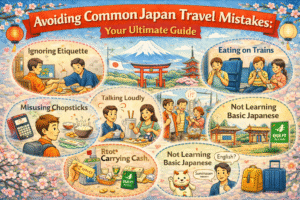
1. Trying to do too much: Do not attempt to see the Golden Pavilion, Fushimi Inari, and Arashiyama in a single day. You will spend your whole day on a bus. Pick one “zone” per day.
2. Visiting Gion at midnight: The best time to see the architecture and atmosphere of Gion is between 6:00 PM and 8:00 PM. It is a residential neighborhood, and shops close early.
3. Ignoring the bus schedule: Buses can be infrequent in the evenings. Always check the timetable or have a taxi app ready as a backup.
4. Not booking accommodation early: Kyoto has limited hotel capacity compared to demand. Book your stay 3–6 months in advance, especially for spring and autumn.
Conclusion
Kyoto is a city that rewards the slow traveler. It is not just a checklist of sights, but a place to immerse yourself in the rhythm of Japanese life. Whether you are savoring a bowl of matcha in a moss garden or watching the sunset over the Togetsukyo Bridge, the memories you make here will last a lifetime. We hope this Japan Travel Guide has inspired you to explore the ancient capital. As you finalize your itinerary, keep these travel japan tips, japan tourism in mind to ensure a respectful and joyful adventure. Pack your bags, bring your camera, and prepare for the trip of a lifetime.
FAQs
What is the best area to stay in Kyoto?
For first-timers, staying near Kyoto Station is convenient for transport and luggage. If you want atmosphere, stay in Southern Higashiyama (near Kiyomizu-dera) or Arashiyama, though these can be pricier and noisier.
Is Kyoto expensive?
Kyoto can range from budget to luxury. A mid-range trip typically costs between $150–$250 USD per day per person, including accommodation, food, and transport. Hostels and business hotels offer good value.
How many days do I need in Kyoto?
We recommend a minimum of 3 days to see the major highlights comfortably. If you want to explore deeper, take day trips to Nara or Uji, or visit more obscure temples, 5 days is ideal.
Do I need a JR Pass for Kyoto?
If you are only visiting Kyoto from Tokyo, a one-way Shinkansen ticket is cheaper than the 7-day Japan Rail Pass. However, if you plan to visit Hiroshima, Osaka, and Tokyo in one week, the JR Pass is worth it.
Is it easy to get by with English in Kyoto?
In tourist hubs, signage is bilingual, and major attractions have English. However, restaurants in back alleys may have no English menus or staff. It helps to learn basic phrases like “Sumimasen” (Excuse me) and “Arigato” (Thank you).