The Ultimate Guide to Mount Fuji Travel: Planning Your Perfect Japan Trip
When you picture Japan, one iconic image likely comes to mind: the majestic silhouette of a snow-capped volcano rising above cherry blossoms or autumn leaves. This is Mount Fuji, Japan’s most sacred and recognizable landmark. For travelers, experiencing this natural wonder is often the highlight of their journey. Whether you’re seeking breathtaking views from a distance or planning an adventurous climb to the summit, understanding the nuances of Mount Fuji Travel is essential for a seamless trip. This guide will walk you through everything from seasonal timing and climbing logistics to cultural context and transportation, ensuring your mount fuji trip, fuji climbing experience is as awe-inspiring as the mountain itself.
Overview & Location
Mount Fuji, or Fujisan as it’s known in Japan, is an active stratovolcano located approximately 100 kilometers southwest of Tokyo. It spans the border between Shizuoka and Yamanashi prefectures, making it accessible from multiple angles. The mountain is the centerpiece of the Fuji-Hakone-Izu National Park and is revered in Japanese culture as a sacred site. While it’s visible from Tokyo on clear days, the best views are found closer to the base, particularly around the Five Lakes region (Fujigoko) and the resort town of Hakone.
The atmosphere around Fuji varies dramatically depending on where you are. In the Fuji Five Lakes area, you’ll find tranquil lakeside towns offering serene reflections of the mountain on calm days. Hakone provides a more resort-like feel with hot springs (onsen), art museums, and ropeways. The southern Shizuoka side offers some of the most dramatic, close-up views, often with fewer crowds. Culturally, Mount Fuji has been a pilgrimage site for centuries, with the Fujisan Hongu Sengen Taisha Shrine at its base serving as the head shrine of over 1,300 Sengen shrines across Japan. This spiritual significance adds a profound layer to any visit beyond just sightseeing.
Best Time to Visit
Choosing when to visit Mount Fuji is perhaps the most critical decision you’ll make, as the mountain is notoriously shy and weather plays a huge role. Generally, there are two distinct climbing seasons and several viewing seasons, each with its own advantages.
Climbing Season (July to early September): This is the official period when the climbing trails are open and mountain huts are operational. The weather is relatively mild, though temperatures at the summit can still drop below freezing. July offers the beginning of the climbing window with fewer crowds, while August is the peak season with the warmest temperatures but also the biggest crowds. Early September marks the end of the season, with changing weather and fewer facilities available.
Viewing Seasons:
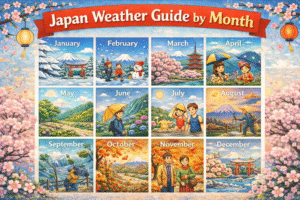
– Spring (March-May): Pleasant weather and cherry blossoms in the lower foothills make this a beautiful time for photography. The mountain is usually snow-capped but clear.
– Autumn (October-November): Crisp air and stunning fall foliage around the base create spectacular scenes. This is arguably the best time for clear visibility without the summer haze.
– Winter (December-February): The mountain is beautifully snow-covered, but very cold. Views can be crystal clear on freezing days, but you’ll need heavy winter gear for outdoor activities.
– Summer (June-September): Outside of climbing season, summer brings humidity and haze, which often obscures the view, though early mornings can still offer glimpses.
For the best experience, aim for shoulder seasons (May or October) when weather is stable and crowds are manageable. If climbing is your goal, late July to mid-August offers the safest conditions.
Things to Do / Travel Guide
The activities around Mount Fuji range from challenging physical pursuits to relaxing cultural experiences. Your itinerary will largely depend on your interests and fitness level.
Climbing Mount Fuji: The most ambitious option involves climbing to the 3,776-meter summit. There are four main trails: Yoshida (most popular, with the most amenities), Subashiri, Gotemba, and Fujinomiya. The Yoshida Trail on the Yamanashi side is recommended for first-timers due to its well-developed infrastructure. Most climbers start at one of the 10th stations (by bus or car) and hike 5-8 hours up, rest at a mountain hut, then descend 3-5 hours. Climbing is free, but you’ll need to pay for transportation and hut accommodation (¥5,000-8,000 per person). Crucial Note: While technically free, the voluntary ¥1,000 donation helps maintain trails and should be contributed. Book mountain huts well in advance during peak season.
Five Lakes (Fujigoko) Region: The Fuji Five Lakes area offers the most classic views and activities. You can rent boats on Lake Kawaguchi, ride the Kachikachiyama Ropeway for panoramic views, or visit the Itchiku Kubota Art Museum to see exquisite kimono art. The Fuji-Q Highland amusement park offers rollercoasters with Mt. Fuji backdrops for thrill-seekers.
Hakone Area: This hot spring resort town combines Fuji views with art and nature. Ride the Hakone Ropeway over volcanic steam vents at Owakudani, take a sightseeing cruise on Lake Ashi, and visit the Open-Air Museum. Traditional ryokan inns offer the quintessential Japanese onsen experience.
Cultural Sites: Visit the Fujisan Hongu Sengen Taisha Shrine at the mountain’s base to understand its spiritual significance. The Fuji Visitor Center provides excellent English information about the mountain’s geology and history.
For those planning a mount fuji trip, fuji climbing, remember that mountain huts require reservations, and you should never attempt to climb in regular sneakers—proper hiking boots are mandatory.
Transportation & Access
Getting to Mount Fuji from Tokyo is straightforward, with several options depending on your budget and desired experience.
From Tokyo to the Five Lakes:
– Bus: The most direct and economical option. Highway buses depart from Shinjuku Station to Lake Kawaguchi (2 hours, ¥1,750) or Fujiyoshida (1.5 hours, ¥1,500). The JR Highway Bus is comfortable and reliable.
– Train: Take the JR Chuo Line to Otsuki Station, then transfer to the Fujikyu Railway to stations like Kawaguchiko or Fujiyoshida (total ~2 hours, ¥2,500). The Fuji Excursion limited express train runs directly from Shinjuku to Kawaguchiko (2 hours, ¥2,460).
From Tokyo to Hakone:
– Romancecar: The premium option from Shinjuku directly to Hakone-Yumoto (85 minutes, ¥2,280).
– Shinkansen + Local: Take the Tokaido Shinkansen to Odawara, then transfer to the Hakone Tozan Railway (45 minutes, ¥2,000 total).
Access to Climbing Trails: During the climbing season, special buses run from Kawaguchiko Station or Gotemba Station to the various 5th and 10th stations. The Round Fuji Bus loops between stations. Expect to pay ¥1,500-2,000 for a one-way bus ticket to the trailhead.
Pro Tips: Get a Fuji Hakone Pass (¥5,600 for 3 days) if you’re exploring the area extensively—it covers unlimited bus and train travel in the region. If you’re driving, be aware that parking fees can be high (¥1,000-2,000 per day).
Practical Travel Tips
Safety & Weather: Mount Fuji’s weather is unpredictable. Even in summer, summit temperatures can be near freezing with wind chill. Always pack layers, a waterproof jacket, hat, and gloves. Check the official mountain forecast before climbing, and don’t hesitate to turn back if weather deteriorates. Altitude sickness is real—acclimatize at the 5th station before ascending.
Money & Costs: Most mountain huts and small vendors only accept cash. Bring sufficient yen for transportation, hut fees, food, and any souvenirs. Credit cards are increasingly accepted at major facilities but not on the mountain itself.
Etiquette: This is a sacred site. Stay on marked trails, pack out all trash (there are no garbage cans), and be respectful at shrines. When using onsen, wash thoroughly before entering and no clothing or towels in the water. If climbing, follow the “leave no trace” principles and respect other hikers.
What to Bring: For climbing: headlamp (essential for pre-dawn starts), hiking boots, 2L water, high-energy snacks, sunscreen, first-aid kit, and cash. For viewing: comfortable shoes, layers, camera, and portable phone charger. Avoid bringing large suitcases—use luggage forwarding services (takkyubin) to send bags to your next destination.
Health: If you have heart conditions, respiratory issues, or are pregnant, consult a doctor before climbing. The altitude and exertion are demanding.
Common Mistakes to Avoid
Many travelers ruin their Mount Fuji experience by making easily avoidable errors. Here are the most common pitfalls:
1. Underestimating the Climb: People assume it’s a casual hike. The altitude, rocky terrain, and long duration make it physically demanding. Train beforehand and don’t push beyond your limits.
2. Visiting Without Checking Visibility: Arriving on a cloudy or hazy day means you see nothing. Check visibility forecasts and have flexible dates. Don’t waste a day trip if Fuji is hidden.
3. Climbing Without Proper Gear: Wearing sneakers instead of hiking boots is the #1 cause of injury and missed summit attempts. The trails are rocky and steep. Proper gear is non-negotiable.
4. Ignoring the Climbing Season: Trying to climb in June or late September means closed facilities and dangerous conditions. Stick to the official July-September window.
5. Last-Minute Planning: Mountain huts and special climbing buses book up weeks in advance during peak season. Plan and reserve everything early.
6. Not Starting Early Enough: For climbers, starting after 10 AM often means missing the sunrise at the summit and encountering more crowds on the trails. Start at 8 PM for a 3 AM summit arrival.
7. Forgetting Cash: Many mountain huts and small vendors only accept cash. Running out means no food or water for hours.
Conclusion
Mount Fuji is more than just a mountain—it’s a symbol of Japan’s natural beauty, spiritual heritage, and the enduring spirit of adventure. Whether you’re photographing its reflection in a tranquil lake, soaking in an onsen with it in view, or pushing your limits on a climb to the summit, the experience is profoundly memorable.
Planning your Mount Fuji Travel carefully ensures you capture the magic without the mishaps. From understanding seasonal nuances to respecting climbing etiquette, every detail contributes to a rewarding journey. Make Mount Fuji the centerpiece of your Japan itinerary, and you’ll carry home memories that last a lifetime. Start planning your mount fuji trip, fuji climbing today—it’s one of the world’s great travel experiences that belongs on every traveler’s bucket list.
FAQs
Q: Can you see Mount Fuji from Tokyo?
A: Yes, but only on very clear days, particularly during winter and early spring. The best viewing spots in Tokyo are from the Tokyo Metropolitan Government Building in Shinjuku or Mount Takao. For reliable views, you need to travel to the Fuji Five Lakes or Hakone areas.
Q: Is climbing Mount Fuji free?
A: Climbing itself is free, but you’ll need to pay for transportation to the trailhead (¥1,500-2,000 by bus), mountain hut accommodation (¥5,000-8,000), and meals/snacks on the mountain. There’s also a voluntary ¥1,000 trail maintenance donation that’s strongly encouraged.
Q: What is the hardest part of climbing Mount Fuji?
A: The altitude and rocky terrain are the biggest challenges. The “3650” and “3660” steep rock steps near the summit are physically demanding. Altitude sickness can also affect climbers, especially those who ascend too quickly.
Q: Can beginners climb Mount Fuji?
A: Yes, beginners can successfully climb Mount Fuji during the official season by choosing the Yoshida Trail (the easiest and most well-equipped), taking adequate rest breaks, staying hydrated, and not rushing. Physical preparation beforehand is highly recommended.
Q: How many days do you need for Mount Fuji?
A: A day trip from Tokyo is possible for viewing only. For climbing, you need one full day/night (start evening, finish next afternoon). To properly explore the Fuji Five Lakes and Hakone areas with both viewing and cultural activities, plan for 2-3 days.