5-Day Kyoto Itinerary: The Ultimate Guide for First-Time Visitors
Planning your first trip to Japan can feel overwhelming, but Kyoto offers the perfect blend of ancient tradition and modern convenience that makes it an ideal starting point. This former imperial capital captivates visitors with its stunning temples, serene gardens, and vibrant geisha districts. From the golden Pavilion to the endless red torii gates of Fushimi Inari, every corner tells a story spanning over a thousand years. You’ll discover why this city remains the heart of Japanese culture while enjoying some of the country’s most delicious cuisine.
In fact, food lovers will be thrilled to explore the city’s incredible dining scene, which perfectly represents the best of Trendy Food in Japan, while also connecting you to the world of viral japanese food, trendy food japan culture. Whether you’re interested in traditional tea ceremonies or want to hunt down the latest Instagram-worthy dishes, Kyoto delivers an unforgettable travel experience that goes far beyond typical tourist attractions.
OVERVIEW & LOCATION
Kyoto sits in the Kansai region of Japan’s main island, Honshu, nestled in a valley surrounded by mountains on three sides. This strategic location has shaped its history and climate, creating a unique environment that feels distinct from Tokyo’s bustling metropolis. The city served as Japan’s imperial capital for over 1,000 years, from 794 to 1868, which explains why it houses 17 UNESCO World Heritage sites and thousands of temples and shrines. Unlike many modern Japanese cities that were rebuilt after WWII, Kyoto escaped major bombing, preserving its historical architecture and street layouts.
The city is divided into distinct districts, each with its own character. Central Kyoto around Kyoto Station offers modern shopping and dining, while Southern Higashiyama provides classic temple-hopping routes. Arashiyama in the west is famous for its bamboo groves and scenic mountain views. The city’s compact size makes it surprisingly walkable, though its hilliness can be challenging for some visitors. What makes Kyoto special is how seamlessly ancient traditions integrate with modern life—salarymen in suits walk past 500-year-old temples, and teenagers in kimonos ride the subway to festivals.
BEST TIME TO VISIT
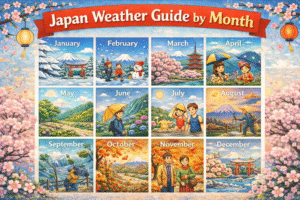
Kyoto’s four distinct seasons each offer unique experiences, though timing your visit can significantly impact both your enjoyment and budget. Spring (March to May) brings the famous cherry blossoms, transforming the city into a pink wonderland. However, this is peak tourist season, meaning larger crowds and higher prices. The cherry blossom season typically lasts only 1-2 weeks, usually in early April, requiring flexible planning and early hotel bookings.
Summer (June to August) is hot and humid, with temperatures reaching 35°C (95°F) and occasional typhoons. While challenging, summer offers vibrant festivals like Gion Matsuri in July, one of Japan’s most important celebrations. The rainy season in early summer can be a drawback, but it also creates lush green landscapes and fewer tourists.
Autumn (September to November) is arguably the best time to visit. October and November bring comfortable temperatures and spectacular fall foliage that rivals the spring cherry blossoms. The red and orange maple leaves create stunning contrasts with temple architecture. Winter (December to February) is cold but dry, with the smallest crowds and lowest prices. You might even see light snow dusting the temple roofs, creating magical scenes. For first-time visitors, late October to early November offers the best balance of weather, scenery, and manageable crowds.
THINGS TO DO / TRAVEL GUIDE
Temple & Shrine Hopping
Start your temple exploration at Kinkaku-ji (the Golden Pavilion), where the top two floors are completely covered in gold leaf. Arrive at 9 AM to avoid crowds, and budget about 400 yen for admission. Next, visit Fushimi Inari Taisha, famous for its thousands of vermilion torii gates forming tunnels up the mountain. The full hike takes 2-3 hours, but you can turn back anytime. For a less crowded alternative, try the bamboo groves of Arashiyama in the early morning—ideally before 7 AM when tour groups arrive.
Traditional Experiences
Book a tea ceremony experience in the Gion district to learn about this meditative practice. Most experiences last 45-60 minutes and cost 2,000-4,000 yen. While in Gion, you might spot geiko (Kyoto dialect for geisha) or maiko (apprentices) in the evening around Hanamikoji Street, but remember to be respectful and not block their path for photos.
Food Exploration
Kyoto’s culinary scene deserves dedicated time. Nishiki Market, known as “Kyoto’s Kitchen,” offers over 100 shops selling local specialties like tsukemono (pickles), yuba (tofu skin), and matcha-flavored treats. Visit on a weekday morning for a more relaxed experience. For ramen lovers, the ramen street near Kyoto Station features eight different shops, each representing different regional styles. The city’s kaiseki (traditional multi-course) restaurants offer incredible seasonal ingredients, though reservations are essential and prices range from 5,000 to 15,000 yen per person.
Modern Attractions
Don’t overlook Kyoto’s contemporary side. The Kyoto Railway Museum offers fascinating insights into Japan’s rail history, while the futuristic Kyoto Station building itself is an architectural marvel with rooftop gardens and observation decks. For shopping, Teramachi and Shinkyogoku covered arcades provide everything from traditional crafts to trendy fashion.
Food enthusiasts should explore beyond traditional cuisine. The city has embraced modern food trends while honoring traditional techniques, making it a hotspot for discovering both classic and contemporary Trendy Food in Japan, which includes everything from artisanal coffee to innovative fusion dishes. You’ll also find numerous spots showcasing viral japanese food, trendy food japan trends, such as mochi donuts, matcha soft serve with elaborate toppings, and Instagram-famous convenience store collaborations.
TRANSPORTATION & ACCESS
Getting to Kyoto
From Tokyo, the Shinkansen (bullet train) is the fastest option, taking about 2 hours and 15 minutes on the Nozomi service. A one-way ticket costs approximately 14,000 yen, though your Japan Rail Pass covers the slower Hikari and Kodama trains. From Osaka’s Kansai International Airport, the Haruka Express train reaches Kyoto in 75 minutes for about 3,000 yen. Budget travelers can fly into Osaka’s Itami Airport and take a bus (50 minutes, 1,350 yen).
Getting Around Kyoto
Kyoto’s public transportation can be confusing for first-timers. The city has two main subway lines (Karasuma and Tozai) that intersect at Karasuma-Oike station, but they don’t reach many major tourist sites. Buses are more comprehensive but can be slow and crowded. A day pass costs 700 yen for buses and 900 yen for both subway and buses combined.
The best strategy is combining walking with strategic bus or train rides. For example, take the train to Arashiyama or Fushimi Inari, then walk between nearby sites. Taxis are expensive but useful for reaching remote temples or when running late. Ride-sharing apps like Uber are available but limited.
Consider renting a bicycle for a day. Kyoto is relatively flat in the center, and many attractions are bike-friendly. Rental shops charge 1,000-1,500 yen per day, and hotels can often arrange rentals. Just avoid riding through crowded temple grounds or pedestrian-only areas.
PRACTICAL TRAVEL TIPS
Money & Payment
Japan remains largely a cash society, especially at smaller restaurants, temples, and markets. Always carry 10,000-20,000 yen in cash. While major hotels and department stores accept credit cards, many local establishments don’t. ATMs at 7-Eleven, Family Mart, and post offices accept foreign cards and have English options.
Safety & Etiquette
Kyoto is incredibly safe, but basic precautions apply. Keep valuables secure on crowded buses and trains. When visiting temples, dress modestly—cover shoulders and knees. Remove shoes when entering temple halls or traditional restaurants (look for shoe racks or genkan areas). Eating while walking is generally frowned upon; find a bench or designated eating area. At markets, don’t touch food until you’re ready to buy.
Connectivity & Language
Rent a pocket WiFi device or get a SIM card for navigation. Free WiFi is available at many stations and convenience stores but can be unreliable. Google Translate works well for simple phrases, and many signs have English. Learn basic phrases like “arigato” (thank you) and “sumimasen” (excuse me)—locals appreciate the effort.
What to Pack
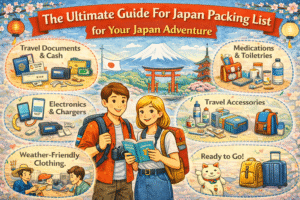
Comfortable walking shoes are essential—Kyoto involves lots of walking and stairs at temples. Pack layers, as temple visits often require covering up. Bring a small towel for hand washing (many restrooms lack paper towels). A portable phone charger is crucial for heavy photo use and navigation. Consider packing a small day bag for temple visits where large bags might not be allowed.
Seasonal Considerations
Bring insect repellent for summer visits, especially around temples with standing water. In winter, pack warm layers as many historic buildings lack heating. Spring visitors should bring allergy medication if sensitive to pollen. Regardless of season, always carry a plastic bag for trash—public trash cans are surprisingly rare in Japan.
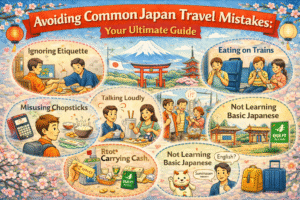
COMMON MISTAKES TO AVOID
Over-Planning & Under-Planning Balance
Many first-timers try to cram too many temples into one day, leading to temple fatigue. Plan a maximum of 3-4 major sites per day, with time for spontaneous discoveries. Conversely, some travelers leave everything to chance and miss out on popular restaurants that require reservations. The sweet spot is booking accommodations and key experiences 2-3 months ahead while keeping daily schedules flexible.
Missing Last Trains
Kyoto’s public transport stops running around midnight, and taxis can be expensive for long distances. Always check the last train time for your route and plan accordingly. If you’re staying out late, consider booking accommodation near your evening destination or budgeting for a taxi.
Inappropriate Temple Behavior
Don’t treat temples like amusement parks. Avoid loud conversations, running, or eating near sacred areas. Photography restrictions are posted at many sites—respect these completely. At Fushimi Inari, some inner shrine areas are off-limits to tourists. When you see rope barriers or signs saying “no entry,” they’re not suggestions.
Ignoring Restaurant Queues
Kyoto’s best restaurants often have long lines, but these are typically managed efficiently with ticket machines or numbered tickets. Don’t skip a place just because there’s a line—ask if there’s a system or waiting area. Many popular spots have branches nearby with shorter waits.
Seasonal Surprises
Underestimating seasonal crowds is a major mistake. Cherry blossom season and fall foliage periods see massive crowds and price increases. If visiting during these times, book everything 6+ months ahead and expect crowds even at “hidden” spots. Alternatively, embrace shoulder seasons for a more relaxed experience.
Transportation Errors
Don’t rely solely on buses in central Kyoto—the subway is often faster. Avoid taxis during rush hours (7-9 AM, 5-7 PM) when traffic is gridlocked. When using buses, board from the rear door and take a numbered ticket unless you have a prepaid card. Pay when exiting through the front door.
Underestimating Distances
Kyoto’s attractions are spread out. The map might look compact, but traveling from Kinkaku-ji to Fushimi Inari takes nearly an hour. Factor travel time into your itinerary and don’t schedule activities back-to-back without buffer time. Consider the physical demands of temple visits—many involve steep stairs and extensive walking.
CONCLUSION
Kyoto rewards travelers who approach it with curiosity and respect for its ancient traditions. This city offers an unparalleled journey through Japan’s history, culture, and culinary excellence that simply can’t be replicated elsewhere. From golden temples at sunrise to the sophisticated flavors of modern kaiseki cuisine, every moment in Kyoto feels like stepping through layers of time while remaining firmly connected to the present.
The city’s ability to preserve its past while embracing contemporary trends makes it a fascinating destination for every type of traveler. Whether you’re seeking spiritual moments at mountaintop shrines or want to explore the cutting-edge of Japanese gastronomy, Kyoto delivers experiences that will resonate long after you return home. For food lovers especially, the city offers incredible opportunities to taste both time-honored dishes and modern innovations, making it a prime destination for experiencing Trendy Food in Japan alongside timeless classics.
The memories you’ll create here, from quiet temple gardens to lively market scenes, will connect you deeply to Japan’s soul and inspire dreams of returning. And if your travels extend beyond Kyoto, you’ll find the same passion for quality and innovation throughout the country, whether you’re hunting for viral japanese food, trendy food japan trends in Tokyo or discovering regional specialties in smaller towns. Kyoto isn’t just a stop on a Japan itinerary—it’s the heart of the country that every traveler should experience at least once.
FAQs
How many days are enough for Kyoto?
For first-time visitors, 4-5 days is ideal to cover major sites without rushing. This allows for 2-3 temple visits per day plus time for markets, gardens, and meals. You could spend weeks exploring Kyoto’s depth, but 5 days hits the highlights while allowing some spontaneity. If you’re also visiting Tokyo and Osaka, you can see Kyoto’s essentials in 3 days, though it will be packed.
What is the cheapest way to get from Tokyo to Kyoto?
The cheapest option is taking highway buses, which cost 3,500-5,000 yen and take 7-8 hours overnight. While slower, you save on accommodation. The Japan Rail Pass can be economical if you’re traveling extensively. Flying to Osaka’s Itami Airport and taking a bus is another budget option, especially when booking budget airlines. Avoid the Nozomi Shinkansen without a pass, as it’s the most expensive.
Is Kyoto expensive compared to Tokyo?
Generally, Kyoto is 10-20% cheaper than Tokyo for accommodation and dining. A business hotel in Kyoto costs 8,000-12,000 yen vs. 12,000-18,000 in Tokyo. However, some tourist-focused restaurants and experiences can be pricier. Transportation costs are lower due to the city’s compact size. Overall, budget travelers can manage on 8,000-12,000 yen per day, while mid-range travelers should budget 15,000-25,000 yen.
Do I need to book temple tickets in advance?
Most temples don’t require advance booking and can be purchased on-site. However, some popular spots like the Arashiyama Bamboo Grove now recommend timed entry during peak seasons. The Fushimi Inari Shrine is free and open 24/7, though crowded. For special experiences like tea ceremonies or kaiseki meals, book at least 2-4 weeks ahead. During cherry blossom or fall foliage season, book everything possible in advance.
Is English widely spoken in Kyoto?
English is limited in Kyoto compared to Tokyo. Major hotels, train stations, and tourist information centers have English speakers, but many restaurants and shops don’t. Most menus have pictures or English translations, and Google Translate works well. Learning basic phrases helps enormously. Tourist areas like Gion and Arashiyama have more English speakers, but venturing into local neighborhoods requires more preparation.
What should I absolutely not miss in Kyoto?
The absolute must-sees are Fushimi Inari’s torii gates (go early morning), Kinkaku-ji (the Golden Pavilion), and the Arashiyama Bamboo Grove. For food, visit Nishiki Market and try yudofu (tofu hot pot) or kaiseki. The Philosopher’s Path during cherry blossom season is magical. Don’t miss experiencing a traditional tea ceremony at least once. If time allows, a day trip to Nara’s deer park is easily accessible and unforgettable.