Have you ever wondered why Winter in Japan feels so magical compared to other places? Is it the soft snow, the quiet temples, the bright festivals, or the warm food that makes the season unforgettable? Many people think winter is cold and boring, but Winter in Japan shows the complete opposite. It is a time when the country transforms into a world of glowing lights, snowy landscapes, and cozy traditions. If you have ever dreamed of seeing Japan in a new and beautiful way, winter might be the perfect season for you.
In this guide, you will learn what Winter in Japan looks like, how it feels, what you can do, and why so many travelers love visiting during this time. Whether you enjoy nature, food, culture, or adventure, winter has something special waiting for you.
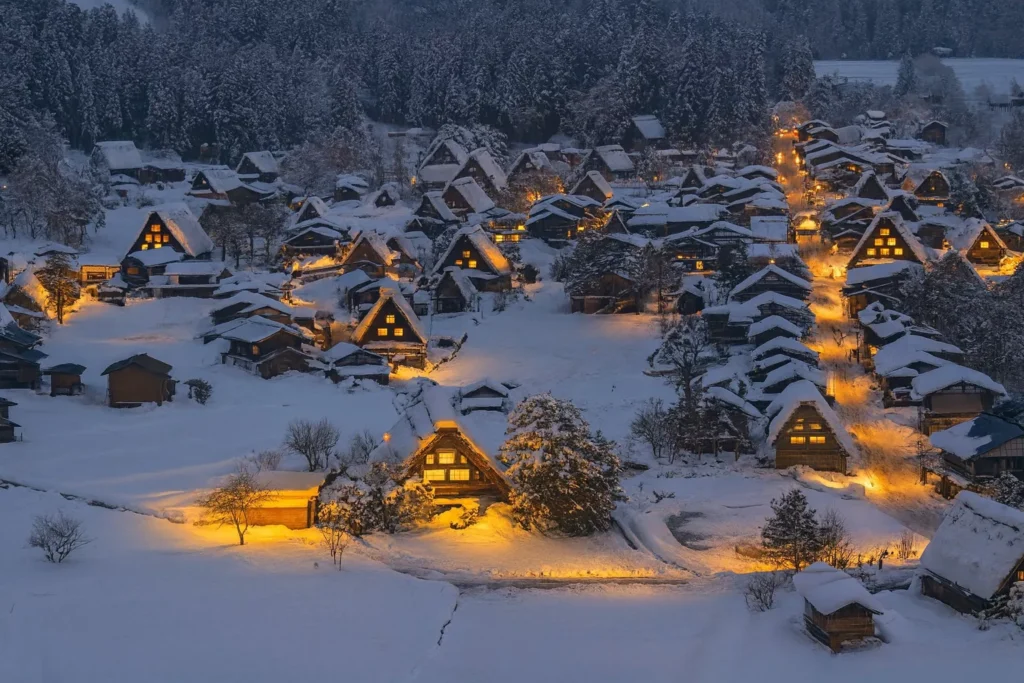
Table of Contents
Overview of Winter in Japan
Winter in Japan usually begins in late November and lasts until early March. The weather changes across the country. Northern areas like Hokkaido get heavy snow. Central Japan has a mix of cold air, mountains, and snowy villages. Southern areas like Kyushu feel milder but still carry winter charm.
During Winter in Japan, you can enjoy:
- Snow-covered mountains
- Hot springs (onsen)
- Winter festivals
- Skiing and snowboarding
- Traditional food made for cold days
- Beautiful illumination displays
- Peaceful temples and shrines
Japan’s winter is not only about the weather. It is also a cultural experience filled with seasonal foods, customs, and celebrations that bring warmth to even the coldest days.
The Beauty of Snowy Landscapes
One of the most famous winter views in Japan is the snow-covered countryside. Regions like Shirakawa-go, Ginzan Onsen, and Hokkaido look like scenes from a fairy tale. The roofs of houses turn white, rivers steam with warm mist, and streets glow under lanterns. Many visitors say Winter in Japan feels like stepping inside a painting.
Snowy landscapes offer peaceful moments. You can walk through quiet forests, see snow monkeys bathing in hot springs, or ride a train through white mountain valleys. Photography lovers find endless chances to capture incredible scenes.
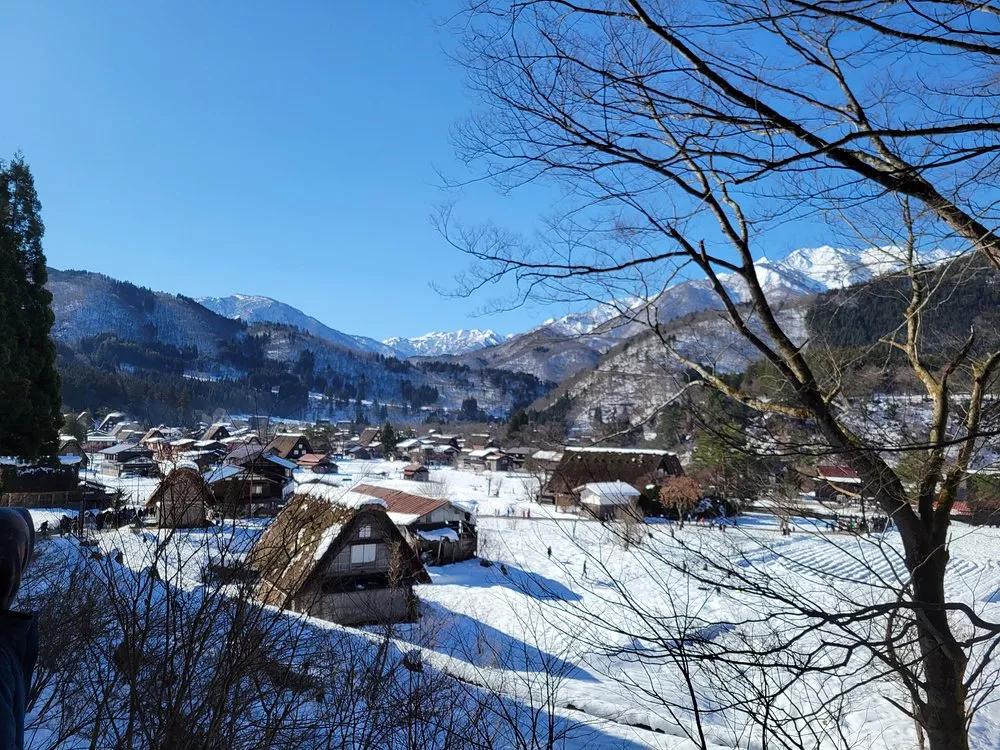
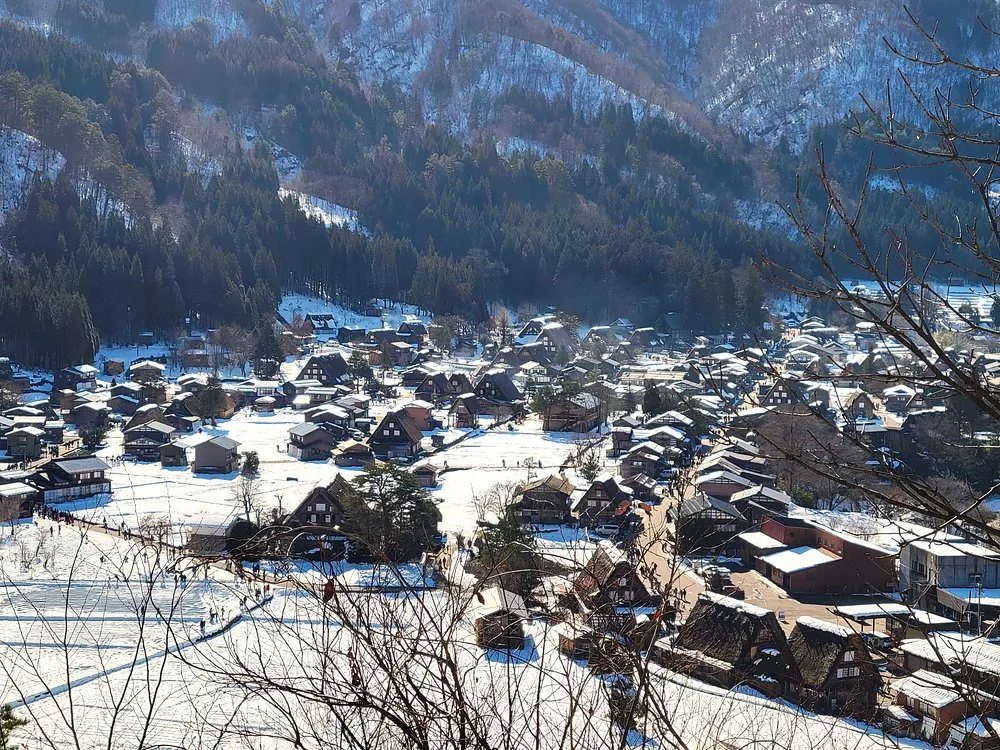
Shirakawa-go l Pic by liucy752
Winter Festivals and Illuminations
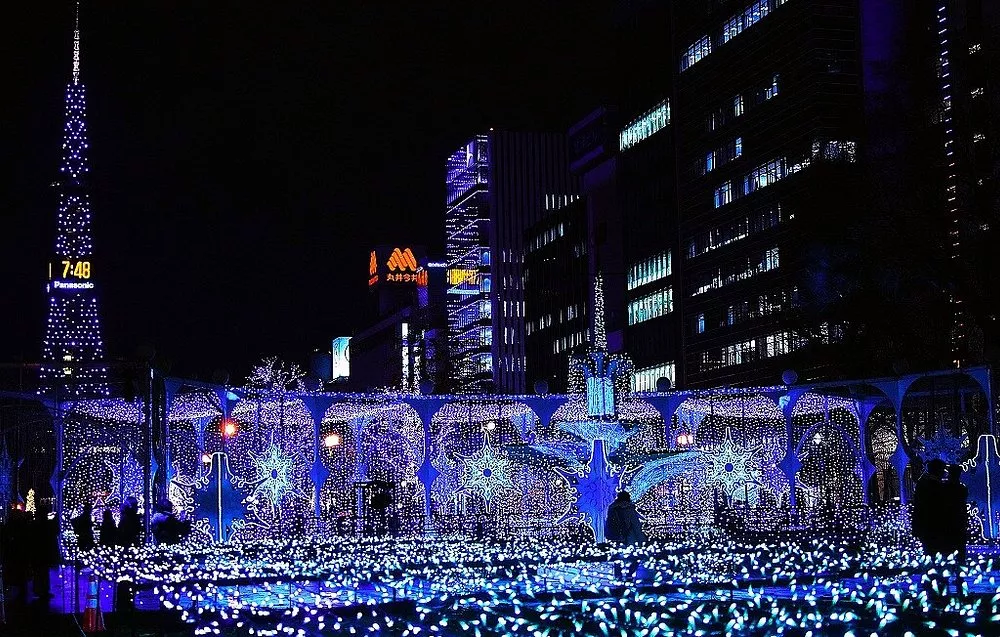
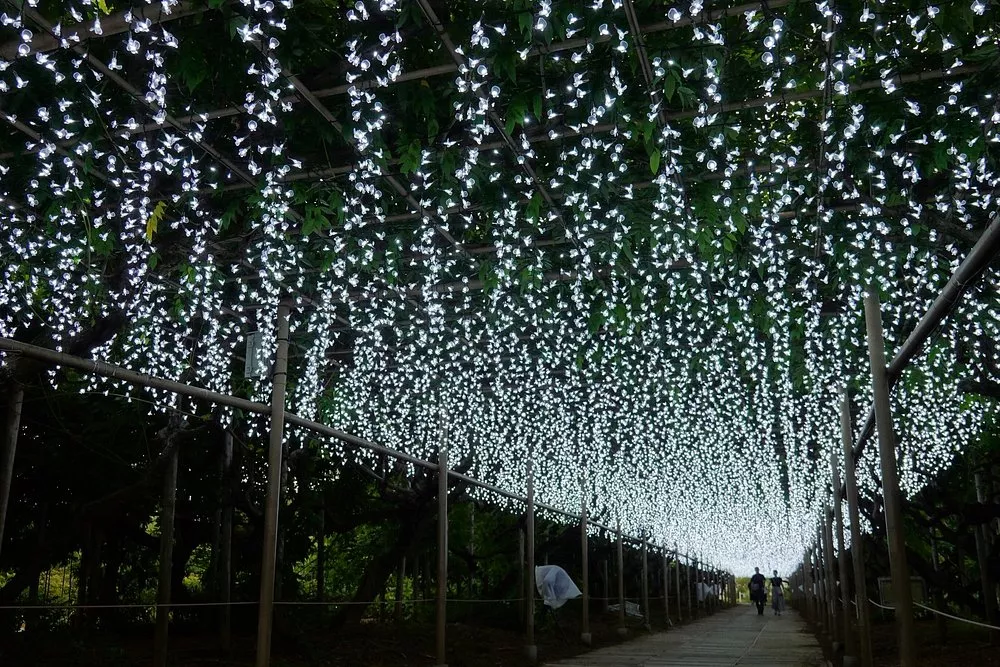
Winter in Japan is known for its bright and colorful light displays. Even though it gets dark early, cities shine with millions of LED lights.
Popular illumination events include:
- Sapporo White Illuminations
- Ashikaga Flower Park Lights
- Nabana no Sato Winter Illumination
- Kobe Luminarie
These events attract families, couples, and travelers who want to enjoy a magical evening walk. The lights create a warm feeling, even on cold nights.
Japan also hosts fun winter festivals with snow sculptures, fireworks, and food stands. The most famous one is the Sapporo Snow Festival, where huge ice sculptures fill the city. Some are as tall as buildings and shaped like castles, animals, or famous characters.
Outdoor Adventures in Winter in Japan
Japan is one of the best places in the world for winter sports. The mountains have great snow, and the ski resorts offer slopes for beginners and experts.
Top winter sports areas include:
- Niseko in Hokkaido
- Hakuba Valley in Nagano
- Nozawa Onsen in Nagano
- Zao Onsen in Yamagata
If you do not ski, you can still enjoy winter activities like:
- Snowshoeing
- Ice skating
- Dog sledding
- Snowmobile tours
Winter in Japan is perfect for people who love adventure and nature.
Warm Japanese Foods for Cold Days
Food is one of the best parts of Winter in Japan. When the weather gets cold, Japanese kitchens fill with warm, comforting dishes.
Popular winter foods include:
- Nabe hot pot – vegetables, meat, and tofu cooked at the table
- Ramen – especially miso ramen in Hokkaido
- Oden – slow-cooked eggs, radish, and fish cakes
- Sukiyaki – beef cooked with sweet soy sauce
- Yakiniku – grilled meat
- Sweet roasted chestnuts and sweet potatoes sold on the street
These dishes warm your hands and heart. Many travelers say tasting winter food is one of their favorite memories of Winter in Japan.
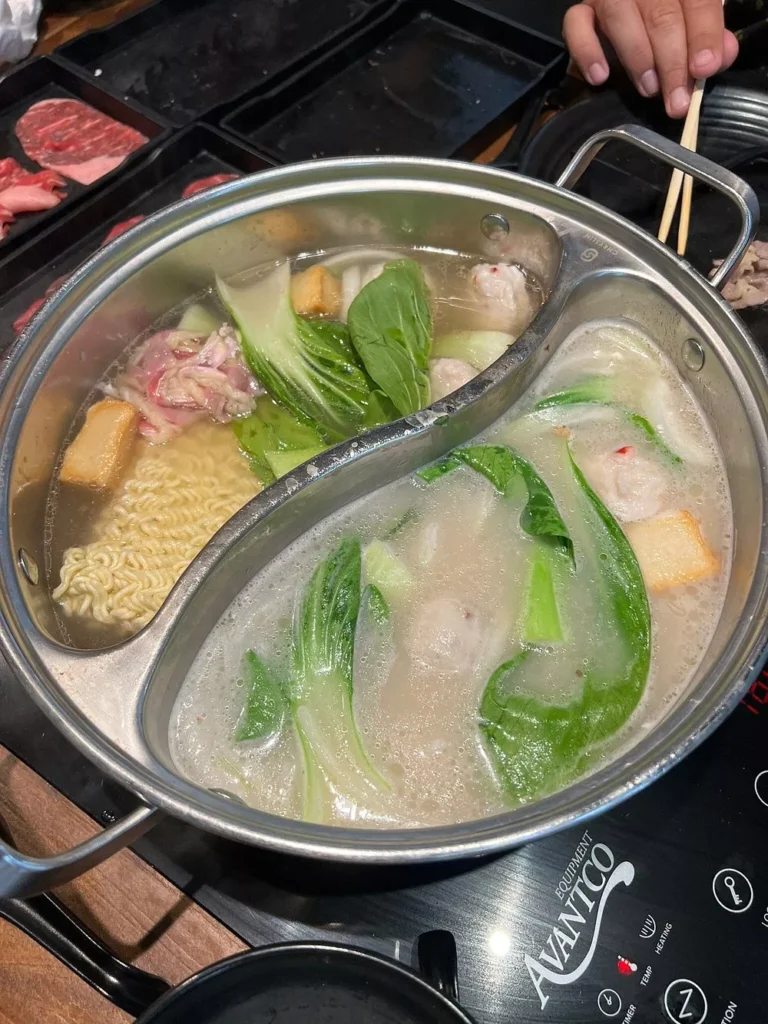
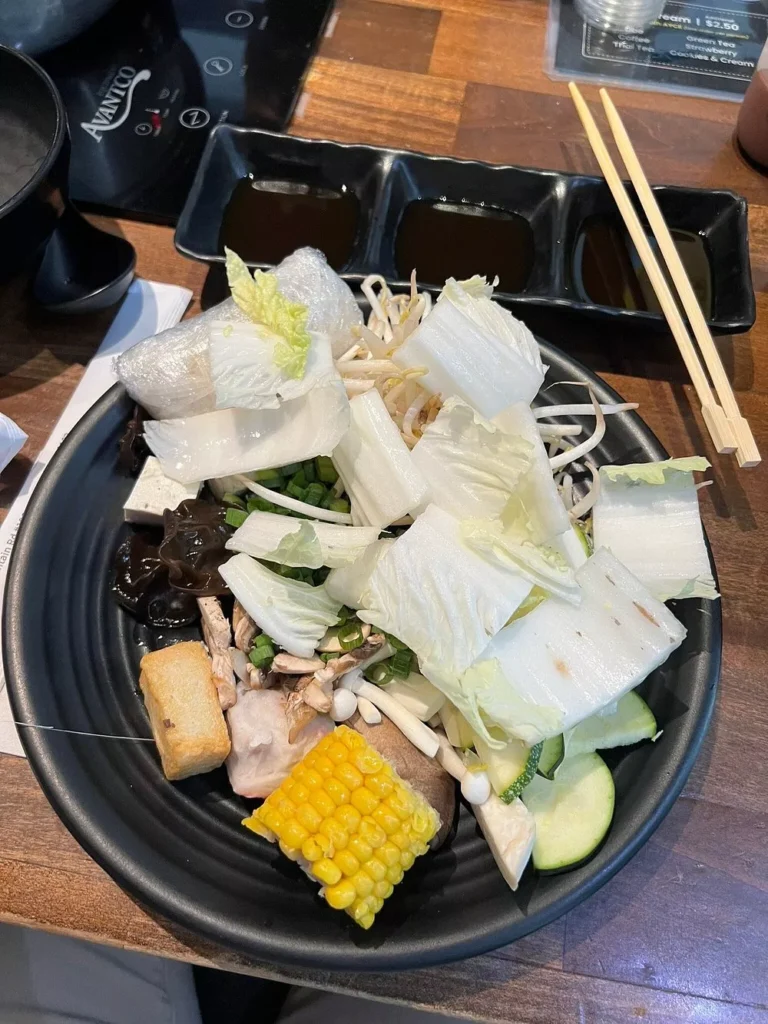
Foods for Cold Days l Pic by Elodie S
Hot Springs (Onsen): A Winter Tradition
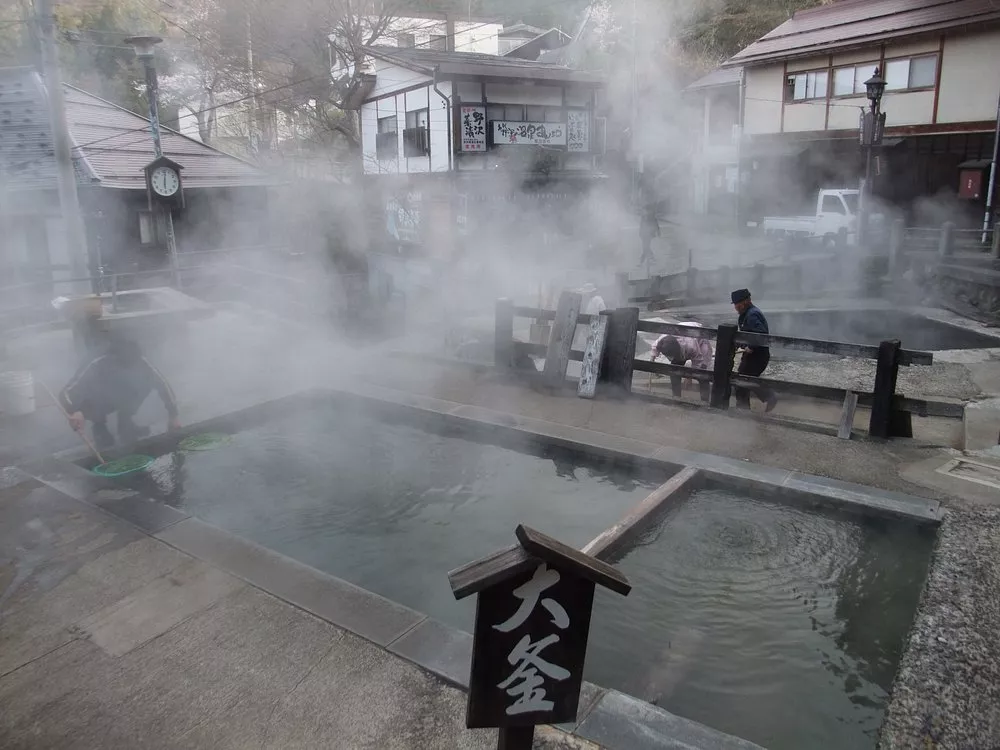
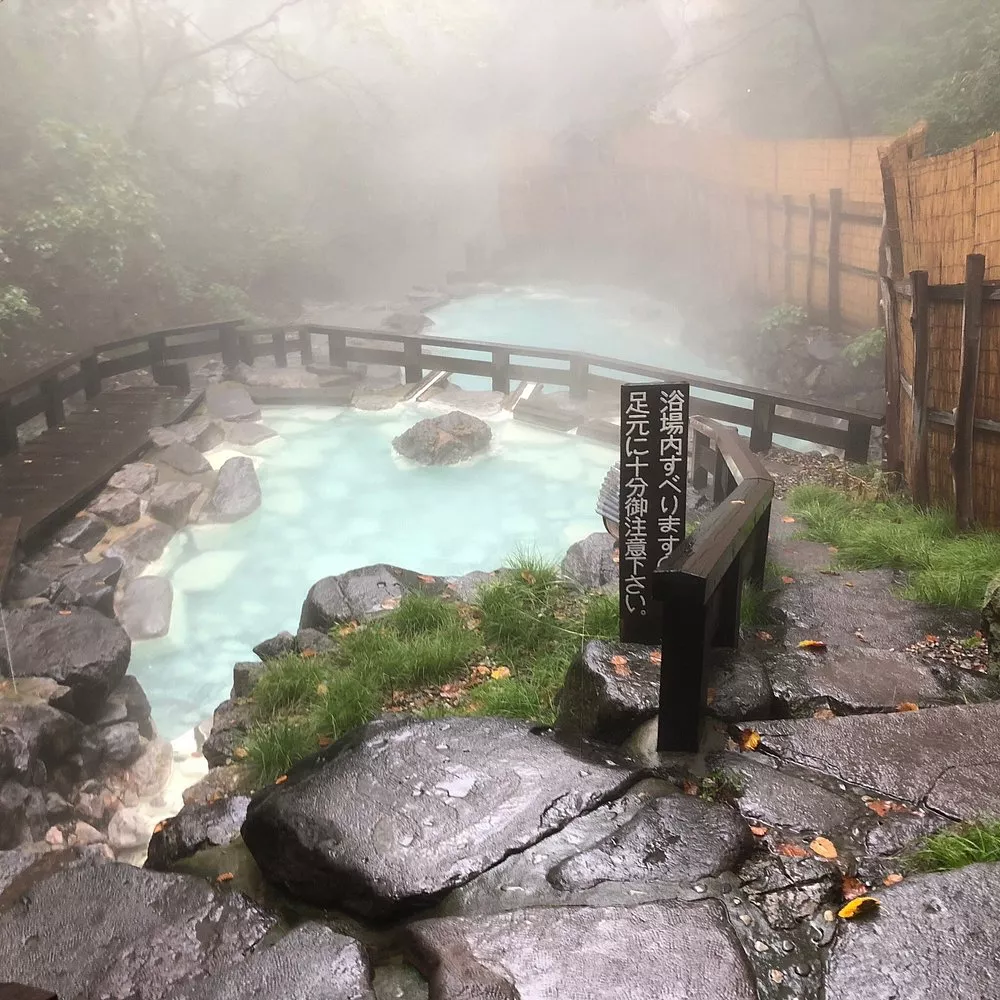
Imagine sitting in an outdoor hot spring while snowflakes fall around you. This is one of the most relaxing ways to experience Winter in Japan. Onsen towns like Hakone, Beppu, Kusatsu, and Noboribetsu offer beautiful baths surrounded by mountains and forests.
Hot springs are more than just a bath—they are part of Japanese culture. They help you relax, warm up, and enjoy nature. Many people visit onsen after skiing or exploring snowy towns.
Winter Traditions and New Year Celebrations
Winter in Japan is also a time for tradition. Families gather for Ōmisoka (New Year’s Eve), eat special food called osechi, and visit shrines on January 1st for hatsumode.
Some common traditions include:
- Cleaning the house before the new year
- Watching New Year’s Eve TV shows
- Sending New Year’s cards
- Ringing temple bells 108 times
If you visit during this time, you will feel the deep culture and warm spirit that makes Winter in Japan very special.
Where to Visit During Winter in Japan
Here are some of the best places to explore:
1. Hokkaido
Snow, skiing, winter food, and festivals. Great for adventure lovers.
2. Tokyo
Illuminations, winter markets, shopping, and light displays.
3. Kyoto
Temples look magical with a gentle layer of snow.
4. Nagano
Snow monkeys, skiing, and peaceful mountain towns.
5. Kanazawa
Beautiful gardens and samurai streets in winter scenery.
6. Shirakawa-go
A UNESCO village covered in white snow—very photogenic.
7. Osaka
Winter food, bright illuminations, and great shopping.
Each region offers something unique, making Winter in Japan a perfect season for all kinds of travelers.
Tips for Enjoying Winter in Japan
Here are simple tips to make your trip easier and more comfortable:
- Dress in warm layers
- Wear heat packs in your pockets
- Use snow boots in snowy areas
- Try onsen after outdoor activities
- Visit early in the morning to avoid crowds
- Bring gloves and a scarf
- Check weather updates often
Winter in Japan can be very cold, but with the right gear, you will enjoy every moment.
If you want to explore even more snowy places during Winter in Japan, you will love discovering cities that are famous for their beautiful winter landscapes. Some towns turn completely white and look like storybook scenes. To help you choose where to go, you can check this helpful guide that shows the best places to see snow across the country: https://japantovisit.com/snow-in-japan-7-best-cities-for-stunning-winter-views/. It gives simple ideas and explains what makes each city special in winter.
Conclusion
Winter in Japan is more than a season—it is an experience full of beauty, culture, and warmth. From snowy landscapes and glowing lights to tasty winter food and relaxing hot springs, each moment feels special. Whether you want adventure, peace, or a mix of both, Japan in winter gives you memories that last a lifetime. If you’re planning a future trip, consider visiting during this magical season. It may surprise you how cozy and bright winter can truly be.
FAQs
1. When is Winter in Japan?
Winter usually lasts from late November to early March.
2. Does it snow everywhere in Japan?
It snows heavily in the north and in mountain areas, but cities like Tokyo get lighter snow.
3. What should I wear in Winter in Japan?
Warm layers, a coat, gloves, a hat, and winter boots for snowy regions.
4. What are the best winter foods to try?
Hot pot, miso ramen, oden, sukiyaki, and roasted sweet potatoes.
5. Are ski resorts beginner-friendly?
Yes, many ski resorts have lessons and easy slopes for beginners.
6. Is Winter in Japan a good time to travel?
Yes! It is one of the most beautiful seasons, with fewer crowds and many unique events.