The Ultimate Guide to Japan’s Anime Festival Scene: Celebrate Your Passion in the Land of the Rising Sun
Introduction
Best Anime Festivals & Events in Japan
Imagine walking through neon-lit streets in Tokyo, surrounded by thousands of people dressed as your favorite characters from shows like Demon Slayer, One Piece, and Jujutsu Kaisen. The energy is electric, the costumes are jaw-droppingly detailed, and every corner offers a new surprise—maybe a pop-up café themed after a beloved series or a live performance by a popular voice actor.
Welcome to the vibrant world of anime events in Japan, where fandom becomes a full-body experience. Whether you’re a die-hard otaku or just curious about Japan’s legendary pop culture, visiting Anime Festivals Japan offers an unforgettable journey into the heart of Japanese creativity. From massive conventions in Makuhari to street celebrations in Akihabara, there’s something for everyone. You’ll also discover that anime events japan, cosplay festivals are not just about dressing up—they’re about community, artistry, and connecting with fellow fans from around the globe. In this guide, we’ll cover everything you need to know to plan the ultimate anime-themed trip to Japan.
Overview & Location
Japan is the global epicenter of anime culture, and its festivals are held in major cities and smaller regions alike, each offering a unique flavor of otaku life. The most famous events take place in the Greater Tokyo Area, particularly in Chiba Prefecture at the Makuhari Messe convention center, which hosts events like AnimeJapan—one of the largest expos of its kind in the world. Beyond Tokyo, cities like Osaka, Kyoto, and Nagoya also host vibrant gatherings. Osaka’s Namba Parks and Kyoto’s historic districts sometimes blend tradition with modern fandom, offering a distinctive twist on typical conventions.
Akihabara, Tokyo’s electric town, is more than just a shopping district; it’s a living, breathing hub of anime culture where you’ll find themed cafes, arcades, and stores that feel like mini-festivals every day of the year. Meanwhile, venues like the Tokyo Dome City Hall and Big Sight (now Tokyo Big Sight) serve as key locations for major events. These places aren’t just venues—they’re cultural landmarks where generations of fans have gathered to celebrate the art form.
For first-time visitors, understanding the geography helps: most major events are easily accessible via JR lines, making it simple to hop between venues and city centers. The atmosphere ranges from the high-energy chaos of massive expos to the cozy intimacy of local comic markets, giving travelers a full spectrum of experiences depending on where they go.
Best Time to Visit
Timing your trip around Japan’s anime calendar can make or break your experience. The peak season runs from late winter through early summer. February kicks off with Comiket (Comic Market), the world’s largest doujinshi fair held at Tokyo Big Sight, drawing over half a million attendees over three days. Spring brings Cherry Blossom season, which sometimes aligns with smaller, outdoor anime-themed events in parks around Tokyo and Osaka. However, the main event for many fans is AnimeJapan in late March, a massive industry expo that showcases upcoming shows, exclusive merchandise, and star-studded panels.
Summer (July–August) is another hotspot, with events like Tokyo Comic Con and various regional pop culture festivals taking advantage of school holidays. On the flip side, autumn sees events like the Tokyo International Anime Fair, while winter wraps up the year with holiday-themed gatherings and New Year sales at otaku hotspots. Weather-wise, Japan’s summers can be hot and humid, so spring and fall offer more comfortable travel conditions. Crowd levels spike during Comiket and AnimeJapan, so if you prefer a more relaxed vibe, aim for mid-sized events in shoulder seasons. Also, check hotel rates early—prices surge near major venues during big weekends.
Things to Do / Travel Guide
When attending Anime Festivals Japan, your itinerary should include a mix of official events and independent exploration. Start your day early at the convention center: register online in advance to avoid long lines, bring a portable charger, and wear comfortable shoes—venues are massive. Attend industry panels to hear directly from creators and voice actors, and hit the merchandise hall early to score limited-edition figures, art books, and doujinshi. Many events also host cosplay contests, live concerts, and gaming zones where you can try out new titles before release.
Outside the main halls, explore the surrounding areas. If you’re at Makuhari Messe, take a short train ride to Akihabara for post-convention browsing. Book a seat at a maid café or voice actor café for a uniquely Japanese experience. In Kyoto, pair your event visit with a stroll through Gion or a temple tour—many anime creators draw inspiration from these historic sites.
Don’t forget practical tips: bring cash (many vendors don’t accept cards), pack snacks since food lines are long, and respect photography etiquette—always ask before taking photos of cosplayers. Most importantly, bring a small backpack with water, wet wipes, and a foldable stool for waiting in lines. Costs vary: Comiket entry is around ¥1,000, while premium access at AnimeJapan can be ¥4,000–¥7,000. Plan to spend an extra ¥10,000–¥20,000 on merch if you’re a collector.
Transportation & Access
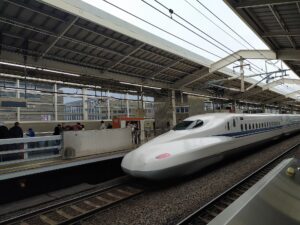
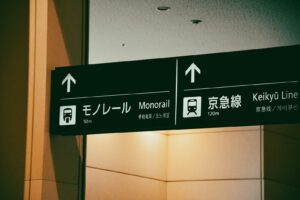
Getting to Japan’s anime festivals is straightforward thanks to the country’s world-class public transportation system. For events at Makuhari Messe (Chiba), take the JR Keiyo Line from Tokyo Station to Kaihin-Makuhari Station—about 30 minutes—and follow the crowd. Tokyo Big Sight, home to Comiket, is accessible via the Rinkai Line to Tokyo Teleport Station or the Yurikamome Line to Kokuritsu-Kyogi-Jo Station. In Osaka, events at Intex Osaka or Namba Parks are reached via the Midosuji Subway Line to Namba or Yotsubashi Station.
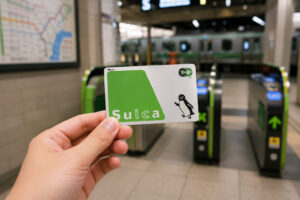
First-time visitors should purchase a Suica or Pasmo IC card for seamless tap-and-go travel across trains, subways, and buses. If you’re attending multiple events, consider a Japan Rail Pass for long-distance travel between Tokyo, Osaka, and Kyoto. For urban travel, apps like Google Maps and Hyperdia are invaluable for real-time schedules. Keep in mind that stations near major venues get extremely crowded during events, so arrive early or plan to walk a few blocks from a nearby station to avoid bottlenecks. Taxis are available but expensive; stick to trains unless you’re traveling in a group or have heavy purchases. Pro tip: some venues offer luggage storage or coin lockers, which are lifesavers when you’re hopping between events and sightseeing.
Practical Travel Tips
Japan is incredibly safe, but large crowds require extra caution. Keep your valuables in front pockets or a crossbody bag, and beware of pickpockets at packed events. Cash is still king at many festival booths and smaller eateries, so withdraw yen before your visit. Credit cards are accepted at major hotels and chain stores, but not at most independent vendors. Etiquette is crucial: don’t block walkways while taking photos, keep noise levels down in public transit, and always dispose of trash properly—Japan has few public bins. If you plan to cosplay in public, check venue rules; some events allow it only within designated areas.
Pack smart: a lightweight backpack, reusable water bottle, portable fan (for summer events), and a translation app for navigating Japanese menus or signs. Bring a copy of your passport and consider getting a pocket Wi-Fi or eSIM for internet access. Avoid common missteps like overpacking—festival merch can be bulky, and airlines charge for extra bags. Also, respect personal space; Japanese crowds are orderly, even when busy. Lastly, if you’re attending events with alcohol (like after-parties), remember Japan’s drinking culture is social but respectful—pace yourself and never pressure others to drink.
Common Mistakes to Avoid
Many first-time visitors underestimate how exhausting large anime events can be. Don’t make the mistake of scheduling back-to-back days without breaks; plan for downtime to rest and explore at a slower pace. Another frequent error is ignoring event registration deadlines—Comiket and AnimeJapan require pre-registration, and on-site tickets sell out fast. Always check official websites for dates, ticket types, and COVID-related policies (though restrictions have eased, some events still recommend masks).
Avoid assuming all events are the same: Comiket is fan-made doujinshi focused, while AnimeJapan is industry-driven with studio booths and trailers. Mixing these up can lead to disappointment. Also, don’t forget to check the weather—summer events can be brutal without a hat or sunscreen. Many travelers skip meal planning, leading to overpriced convenience store dinners; research nearby restaurants in advance or use Uber Eats (available in major cities). Lastly, don’t just stick to Tokyo—regional festivals in places like Fukuoka or Sapporo offer unique experiences with fewer tourists.
Conclusion
Japan’s anime festival scene is more than just a series of events—it’s a cultural pilgrimage that connects you to the soul of modern Japanese creativity. Whether you’re snapping up rare collectibles at Comiket, cheering at a live concert, or exploring the streets of Akihabara dressed as your favorite hero, the memories you make here will last a lifetime. This isn’t just a trip; it’s a deep dive into a world where imagination has no boundaries.
If you’re planning a Japan itinerary, make room for the magic of Anime Festivals Japan—it’s the ultimate way to experience the country’s vibrant pop culture firsthand. And don’t forget to explore the wider ecosystem of anime events japan, cosplay festivals, which add layers of fun, friendship, and fantasy to your adventure. Start planning now, and get ready to join the celebration.
FAQs
What is the biggest anime event in Japan?
Comiket (Comic Market) is the largest, held twice a year at Tokyo Big Sight, with over 500,000 attendees. It focuses on doujinshi (self-published works) and is a must for serious fans.
Do I need to speak Japanese to enjoy anime festivals?
Not necessarily. Many events have English signage, and fans from around the world attend. However, learning basic phrases like “sumimasen” (excuse me) and “arigatou” (thank you) goes a long way.
How much should I budget for an anime festival trip?
A 5-day trip including event tickets, transport, and merch could cost ¥100,000–¥150,000 ($700–$1,000 USD), excluding flights. Budget more if you’re into high-end figures or limited editions.
Can I cosplay at any anime event?
Most major events allow cosplay, but check rules in advance. Some venues restrict props or require changing rooms. Public cosplay is generally accepted in areas like Akihabara but not everywhere.
When is the best month to attend?
Late March (AnimeJapan) and late July/early August (Tokyo Comic Con) are peak times. February’s Comiket is iconic but extremely crowded—go prepared.