A Foodie’s Guide to Anime Food in Japan: Where Fiction Meets Flavor
INTRODUCTION
Best Anime Food & Themed Menus in Japan
Imagine stepping off a crowded Tokyo train and walking into a cafe that looks exactly like a scene from your favorite childhood cartoon. The buns are shaped like smiling cats, the curry looks like a magical potion, and the drinks come with plastic wafer wings. It is a surreal, delicious moment where fiction meets reality. For travelers seeking a unique culinary adventure, searching for authentic Anime Food in Japan is like going on a treasure hunt. You aren’t just eating; you are tasting the culture of anime food japan, themed menus that have captivated fans worldwide.
In Japan, food is an art form, and nowhere is this more obvious than in the world of anime. From ramen bowls that inspired Studio Ghibli films to convenience store snacks featured in hit series, the line between the screen and the plate is deliciously thin. This guide will help you navigate the exciting world of otaku cuisine, ensuring that your stomach is as full of memories as your camera roll.
OVERVIEW & LOCATION
The epicenter of this visual dining experience is undoubtedly Tokyo, specifically in the districts of Akihabara and Ikebukuro. Akihabara, known globally as “Electric Town,” is a neon-soaked labyrinth of multi-story arcades, electronics stores, and pop-culture sanctuaries. It is here that the majority of anime-themed restaurants establish their flagship locations. The atmosphere is electric; the air hums with game music and the chatter of fans from around the world.
However, you shouldn’t limit yourself to the capital. Osaka also offers a vibrant scene, particularly around Namba and Den-Den Town, where the food culture is grittier and often more generous in portion size. Kyoto, while traditional, has recently embraced the trend with Ghibli collaborations and Harry Potter cafes that appeal to the same demographic. The cultural importance of these spots lies in “Character Town,” a concept where brands bring fictional worlds to life to deepen the bond between the consumer and the story.
BEST TIME TO VISIT
Timing your trip around the seasons can make a huge difference in both availability and enjoyment.
Spring (March to May): This is the peak season. Not only is the weather mild and the cherry blossoms blooming, but anime release schedules often align with this time. Special “Spring Menu” themed sets are common. Be warned: lines for popular cafes can be hours long.
Summer (June to August): While hot and humid, summer is festival season. You will find “Summer Festival” limited editions that replicate yatai (street food) stalls seen in anime. It is the best time for outdoor pop-up cafes.
Autumn (September to November): Perhaps the best balance. The weather is cool, and the changing leaves provide a beautiful backdrop for photo-taking. “Halloween Specials” usually start in early October.
Winter (December to February): The least crowded time to visit. Indoor cafes are cozy, and you will often find “Christmas” or “New Year” exclusive dishes that feature characters in winter gear.
THINGS TO DO / TRAVEL GUIDE
To truly immerse yourself in the world of Anime Food in Japan, you need to plan your itinerary strategically. Here are the top activities to include in your travel guide:
-
- Visit the Square Enix Cafe (Tokyo): Although permanently closed as of late 2023, its spirit lives on in pop-up events at the Square Enix Store. However, if you are looking for a similar high-quality experience, visit the Capcom Store in Ikebukuro or the Jump Shop in Shibuya. These places often offer anime food japan, themed menus that change weekly.
-
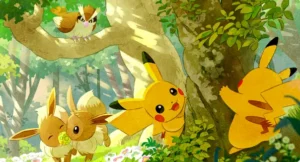
- Explore The Pokemon Cafe (Tokyo): This is the holy grail of character dining. Located in Nihonbashi, you must book reservations exactly one month in advance. The food is sculpted to look exactly like Pikachu and Eevee. It is pricey, but the quality is restaurant-grade, not fast food.
-
- Hunt for “Real Life” Locations: Many anime are set in real places. Visit the Hakone Open-Air Museum (featured in Evangelion) or the Gifu Nagara River (featured in My Neighbor Totoro). Eat at the restaurants nearby to taste the “local” food the characters would eat.
-
- Convenience Store Scavenger Hunt: Don’t overlook 7-Eleven, Lawson, and FamilyMart. Many carry limited-time snacks tied to anime premieres. Look for “Collab” rice balls (onigiri) with character wrappers.
-
- Visit a Themed Cafe in Akihabara: Walk down Chuo Dori and look for the elevators leading up to themed cafes. You might find a Maid Cafe where the food is decorated with ketchup art, a staple of the “moe” aesthetic.
TRANSPORTATION & ACCESS
Navigating Tokyo is easier than it looks, but you need the right tools.
The JR Yamanote Line: This is the green circle line that loops around central Tokyo. It connects Akihabara, Ikebukuro, and Shibuya. If you buy a Japan Rail (JR) Pass, this line is fully covered.
Subway Lines: The Tokyo Metro Ginza and Hibiya lines service Akihabara. For the Pokemon Cafe in Nihonbashi, take the Tozai Line to Otemachi and walk.
Digital Maps: Download Google Maps or Navitime. They are incredibly accurate for train times.
IC Cards (Suica/Pasmo/Icoca): You absolutely must get one of these reloadable cards (or add the digital version to your iPhone Apple Wallet). You tap them to pay for trains, buses, and even vending machines. Most anime-themed cafes now accept IC cards for payment.
Pro Tip: Train stations are huge. Look for the colored exit signs and the specific shop numbers (e.g., “A12 Exit”) to find the shortest path to the street level.
PRACTICAL TRAVEL TIPS
Before you hunt for that perfect Totoro taiyaki, keep these tips in mind:
-
- Cash is King (Sometimes): While credit cards are accepted in big cafes, many ticket machines in Akihabara and small food stalls still only take cash. Carry at least 10,000 yen in coins and bills.
-
- Reservations are Mandatory: For popular spots (Pokemon Cafe, Kirby Cafe), you must book online weeks or months in advance. Walk-ins are rarely accepted.
-
- Photography Etiquette: Always ask “Shashin ii desu ka?” (Is it okay to take a photo?). Most cafes allow it, but some private shops or queues strictly forbid it.
-
- Etiquette: Do not eat while walking. If you buy street food (like crepes or takoyaki), stand to the side and finish it before moving on. This is a major sign of respect in Japan.
COMMON MISTAKES TO AVOID
-
- Overpacking the Schedule: Do not try to visit Akihabara, Ikebukuro, and Shibuya in one day. Lines for elevators and cafes can take 1-2 hours. Plan only one or two major food stops per day.
-
- Ignoring Portion Sizes: Anime food is often “kawaii” (cute) and smaller than expected. A “full meal” at a themed cafe might be an appetizer in Western terms. Eat a convenience store sandwich beforehand if you have a big appetite.
-
- Not Checking Cancellation Policies: If you book a cafe and miss it, you may be blacklisted or charged a fee. If you are running late, call ahead immediately.
-
- Currency Confusion: Make sure you have enough 100 yen coins. Many public lockers (to store bags while you eat) and bathrooms require exact change.
CONCLUSION
Tasting Anime Food in Japan is more than just a meal; it is a celebration of imagination. It bridges the gap between the fantasy worlds we escape to and the real-world craftsmanship of Japanese chefs. Whether you are eating a curry rice that looks like a smiling dog or a sandwich inspired by a magical girl series, you are participating in a culture that takes joy seriously.
If you are planning your next big adventure, don’t just stick to sushi and tempura. Dive into the vibrant, colorful world of anime food japan, themed menus. It is an experience that will leave you with a full stomach and a happy heart. Add this unique culinary route to your Japan itinerary—you won’t regret it.
FAQs
How far in advance do I need to book anime-themed cafes?
For top-tier cafes like Pokemon or Kirby, book exactly one month in advance at 12:00 PM Japan Standard Time. For others, 1-2 weeks is usually sufficient, but weekends fill up fast.
Is anime food expensive?
It varies. Themed cafes often charge a “cover charge” (1,000-2,000 yen) plus the cost of food. Expect to pay between 2,500 to 4,500 yen ($17–$30 USD) per person. However, convenience store collabs are very cheap (200–500 yen).
Can I go alone?
Absolutely. Japan is very solo-traveler friendly. Many cafes have “solo seats” at counters. It is a great way to meet other fans or enjoy a quiet moment.
Is the food actually good, or just for photos?
While presentation is the priority, Japanese standards for food safety and taste are incredibly high. The food is generally tasty, though it can sometimes be sweeter or more decorative than traditional Japanese cuisine.
Do I need to speak Japanese?
No. Major tourist cafes usually have English menus or picture boards. However, having a translation app (like Google Translate) on your phone is highly recommended for ordering specific customizations.