Ultimate Guide to Visiting Japan: Top Sights and Hidden Gems
Famous Places in Japan You Can’t Miss. Japan is a land where ancient tradition and futuristic innovation coexist in breathtaking harmony. From the neon-lit streets of Tokyo to the serene bamboo forests of Kyoto, every corner offers a new adventure. For first-time visitors, the country can feel overwhelming, but with the right guidance, it becomes an unforgettable journey. This guide covers everything you need to know to plan the perfect trip, focusing on the most iconic Famous Places in Japan and ensuring you experience the very best this destination has to offer.
Whether you are chasing cherry blossoms in spring or snow powder in winter, understanding the layout of Japan’s key regions is crucial. The country’s efficient transportation system makes it easy to hop from one city to another, but knowing where to start can save you time and energy. We will break down the essentials: where to go, when to visit, and how to navigate the local culture like a pro.
As you read on, you will discover not only the major tourist hotspots but also practical advice on etiquette, budgeting, and avoiding common pitfalls. By the end of this guide, you will be equipped with the knowledge to explore Japan confidently, ensuring your trip is as smooth as it is spectacular. Let’s dive into the heart of Japan and uncover the magic that awaits.
Overview & Location
Japan is an archipelago consisting of four main islands: Honshu, Hokkaido, Kyushu, and Shikoku. Most travelers spend the majority of their time on Honshu, the largest island, which is home to major cities like Tokyo, Kyoto, and Osaka. Tokyo, the capital, is located in the Kanto region on the east coast, serving as the primary gateway for international flights. It is a sprawling metropolis known for its towering skyscrapers, bustling shopping districts, and diverse neighborhoods ranging from the historic Asakusa to the trendy Shibuya.
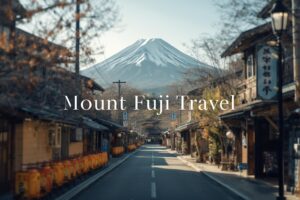
Moving west from Tokyo, you enter the Chubu region, where you will find the iconic Mount Fuji. This majestic stratovolcano sits roughly 100 kilometers southwest of Tokyo and offers stunning views from nearby lakes like Kawaguchiko. Continuing further west, the Kansai region encompasses Osaka, Kyoto, and Nara. Kyoto, the former imperial capital, is situated in a valley surrounded by mountains, preserving the atmosphere of old Japan with its wooden machiya houses, Zen gardens, and geisha districts. Osaka, just a short train ride away, is a vibrant city known for its modern architecture, nightlife, and incredible street food culture.
For those seeking nature and history, the island of Hokkaido in the north offers vast national parks, hot springs, and powder snow in winter. In the south, Kyushu is known for its active volcanoes, relaxing onsen resorts, and historical sites related to Japan’s early interactions with the West. Understanding this geographic spread helps in planning a logical itinerary, whether you prefer a fast-paced city tour or a slow journey through rural landscapes.
Best Time to Visit
Timing your visit to Japan depends largely on what you want to experience, as the country boasts four distinct seasons. Spring (March to May) is arguably the most famous time to visit, primarily for the cherry blossom (sakura) season. The weather is mild, and the parks turn into a sea of pink. However, this is also peak tourist season, so expect higher prices for flights and hotels, as well as larger crowds at popular sights. Late April to early May coincides with Golden Week, a series of national holidays when domestic travel peaks, making it a particularly busy time to navigate the country.
Summer (June to August) brings hot, humid weather and the rainy season (tsuyu) in most regions except Hokkaido. While the heat can be intense, it is a great time for mountain trekking and enjoying lively summer festivals (matsuri) like the Gion Matsuri in Kyoto or the Nebuta Matsuri in Aomori. September to November offers cooler temperatures and spectacular autumn foliage (koyo). The red and orange leaves are particularly stunning in Kyoto and Nikko, and the weather is generally pleasant for sightseeing.
Winter (December to February) is ideal for those who enjoy crisp air and winter sports. Hokkaido and the Japanese Alps offer world-class skiing and snowboarding. Cities like Tokyo and Kyoto are less crowded, and you can enjoy illuminations and hot springs (onsen) in the snow. Note that New Year’s (Shogatsu) is a major holiday, and many shops and restaurants close from December 29 to January 3, though shrines become very busy for the first prayer of the year.
Things to Do / Travel Guide
When it comes to activities, Japan offers an endless array of options. In Tokyo, you can start your day at the Tsukiji Outer Market for fresh sushi, then head to the Tokyo Skytree for panoramic city views. Don’t miss the japan landmarks, must see japan such as the Senso-ji Temple in Asakusa and the Shibuya Crossing, the world’s busiest intersection. For pop culture enthusiasts, Akihabara is a haven of anime and electronics shops.
In Kyoto, the spiritual heart of the country, visiting temples and shrines is a must. The Fushimi Inari Shrine, famous for its thousands of vermilion torii gates, and the Kinkaku-ji (Golden Pavilion) are top priorities. Renting a bicycle to explore the Arashiyama Bamboo Grove and the scenic riverbanks is a wonderful way to see the city. Meanwhile, Nara, just an hour from Kyoto, offers the chance to interact with friendly, free-roaming deer in Nara Park while admiring the Great Buddha at Todai-ji Temple.
For a change of pace, head to Osaka to indulge in street food like takoyaki and okonomiyaki in the Dotonbori district. If you are looking for a spiritual journey, the Kumano Kodo pilgrimage trails in the Kii Peninsula offer multi-day hikes through ancient forests and past sacred shrines. Regardless of your interests, participating in a traditional tea ceremony or staying a night in a ryokan (traditional inn) is an essential cultural experience that allows you to immerse yourself in Japanese hospitality.
Transportation & Access
Japan’s transportation system is renowned for its punctuality and efficiency. The Shinkansen (bullet train) network connects major cities across the country, making it the fastest and most convenient way to travel between regions. For example, the trip from Tokyo to Kyoto takes about 2.5 hours. Foreign tourists can take advantage of the Japan Rail (JR) Pass, which offers unlimited rides on most JR lines, including the Shinkansen (excluding the fastest Nozomi and Mizuho trains). It is highly recommended to reserve this pass before your trip and activate it upon arrival at the airport.
Within cities, the subway and bus systems are extensive. In Tokyo, the Suica or Pasmo IC cards are essential for tapping in and out of stations without buying individual tickets. These cards can also be used at convenience stores and vending machines. When planning your route, use apps like Google Maps or Japan Travel by Navitime, which provide accurate train schedules and platform numbers. Always stand on the designated side of the platform (usually the left in Tokyo, right in Osaka) to wait for the train.
For first-time visitors, it is important to note that the countryside is best accessed by local trains or buses, which may run less frequently than in cities. Renting a car is an option for exploring rural areas like the Japanese Alps, but an International Driving Permit is required. Always check the last train times, as they usually stop running around midnight. Taxis are available but are relatively expensive compared to other countries.
Practical Travel Tips
Etiquette is an important part of traveling in Japan. When dining, it is considered rude to stick chopsticks vertically into a bowl of rice, as this resembles a funeral ritual. Tipping is not customary and can even be considered confusing or rude; excellent service is standard and included in the price. On public transport, keep your phone on silent mode and avoid talking loudly. Eating and drinking while walking is generally frowned upon, though it is acceptable to eat while standing near a food stall or inside a train station.
Money-wise, while credit cards are accepted in major cities and department stores, Japan is still largely a cash-based society, especially in rural areas and small shops. Always carry some yen with you. ATMs at 7-Eleven and Japan Post offices accept international cards. Wi-Fi is widely available, but renting a pocket Wi-Fi device or purchasing a travel SIM card at the airport is highly recommended for navigation and translation on the go.
Regarding safety, Japan is one of the safest countries in the world, with low crime rates. However, natural disasters like earthquakes and typhoons can occur. Familiarize yourself with your hotel’s evacuation routes and download a disaster alert app if staying for an extended period. Pack comfortable walking shoes, as you will likely walk several kilometers a day. Layering your clothing is key, as indoor heating and cooling vary, and the weather can change quickly between seasons.
Common Mistakes to Avoid
One of the most common mistakes travelers make is trying to see too much in too little time. Japan is a country that rewards slow travel; rushing between cities leads to burnout. It is better to focus on one or two regions, such as Kanto (Tokyo) and Kansai (Kyoto/Osaka), rather than attempting to visit all four main islands in a single trip. This allows for a more relaxed pace and deeper cultural immersion.
Many visitors underestimate the size of attractions. Places like Fushimi Inari or Tokyo Disneyland can take an entire day to explore fully. Always allocate more time than you think you need, especially for popular spots where you may encounter lines. Additionally, relying solely on taxis for short distances is a mistake; public transport is usually faster and more efficient, even in heavy traffic.
Finally, ignoring cultural norms can lead to awkward situations. For example, blowing your nose in public is considered impolite, especially at the dinner table. Sneezing quietly into your elbow is the norm. Also, be mindful of garbage disposal. Public trash cans are surprisingly rare in Japan; carry a small bag to hold your trash until you find a bin or return to your hotel. Respecting these nuances ensures a smoother interaction with locals and a more pleasant experience for everyone.
Conclusion
Japan is a destination that captivates the imagination and soothes the soul. Its unique blend of cutting-edge technology and deep-rooted tradition offers a travel experience unlike any other. Whether you are gazing at Mount Fuji from a bullet train window, wandering through the serene grounds of a Kyoto temple, or savoring street food in Osaka, every moment feels like a step into a different world. The convenience of the transit system and the warmth of the Japanese people make it an accessible and welcoming place for travelers from all backgrounds.
By following this guide, you can avoid common pitfalls and focus on what truly matters: enjoying the journey. From the must-see Famous Places in Japan to the hidden corners of the countryside, there is always something new to discover. Remember to travel respectfully, embrace the unexpected, and take plenty of photos—though the memories will be the most cherished souvenir.
Start planning your itinerary today and prepare to be amazed. Japan is not just a place you visit; it is an experience that stays with you long after you return home. Make sure to prioritize the japan landmarks, must see japan that align with your interests, and you will leave with stories to tell for a lifetime.
FAQs
1. Do I need a visa to visit Japan?
Most travelers from the US, UK, Australia, and EU countries can enter Japan for up to 90 days without a visa for tourism purposes. However, requirements can change, so it is essential to check the latest information from the Japanese embassy or consulate in your country before booking your flight.
2. Is Japan expensive to visit?
Japan can fit various budgets. While it is true that accommodation in major cities like Tokyo can be pricey, you can save money by staying in capsule hotels, business hotels, or hostels. Eating at convenience stores (which offer high-quality food) or local “gyudon” chains is much cheaper than fine dining. Transportation costs are the biggest variable, so purchasing a JR Pass if you plan to travel long distances is cost-effective.
3. How much cash should I carry?
It is advisable to carry between 10,000 and 30,000 yen (approx. $70–$200 USD) per day. While credit cards are becoming more common, many local restaurants, temples, and rural shops only accept cash. Vending machines and transit tickets are also easily purchased with cash.
4. Can I get by with English?
In major cities like Tokyo and Osaka, English signage is common at train stations, airports, and tourist sites. Many younger Japanese people speak some English. However, in rural areas or smaller towns, English proficiency drops significantly. Having a translation app (like Google Translate) and learning a few basic Japanese phrases (hello, thank you, excuse me) will go a long way.
5. What is the best way to connect to the internet?
The most reliable option is renting a pocket Wi-Fi device, which you can pick up at the airport and drop off upon departure. Alternatively, buying a travel SIM card is a convenient solution for smartphones. Free Wi-Fi is available in some cafes and stations, but the connection is not always stable or secure.