Discover Japan’s Hidden Sanctuaries: Beyond the Tourist Trail
Hidden Places in Japan Worth Exploring. Japan’s major cities are bursting with energy, but sometimes the true magic lies just off the beaten path. While Tokyo and Kyoto draw millions of visitors, the real spirit of this fascinating country often reveals itself in quiet mountain villages, remote islands, and secret gardens that few tourists ever find. For travelers seeking authentic experiences, uncovering these Hidden Places in Japan offers a chance to connect with the culture on a deeper level. Whether you’re chasing the perfect autumn leaf, searching for peace, or simply wandering without a map, there are countless secret japan spots, hidden gems japan waiting to be discovered.
Overview & Location: Totoro Forest and Okutama
One of the most enchanting hidden areas lies just outside Tokyo in the Okutama region, specifically the forested hills of Sayama Hills—famously known as the “Totoro Forest.” Located in western Tokyo Prefecture, bordering Saitama and Yamanashi, this area feels worlds away from the neon-lit streets of Shinjuku.
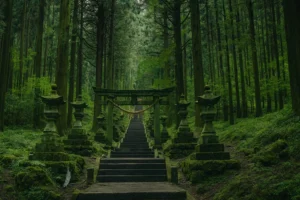
The region is a vast expanse of lush woodlands, misty mountains, and traditional farmhouses. It holds significant cultural importance as the inspiration for Hayao Miyazaki’s beloved film, My Neighbor Totoro. Unlike the crowded temples of central Tokyo, the atmosphere here is serene and almost otherworldly. The forest is dotted with shrines, small thatched-roof tea houses, and walking trails that invite you to slow down and breathe in the fresh mountain air.
Best Time to Visit
Timing your visit to the Okutama region is essential for the best experience.
- Spring (March-May): The mountains come alive with cherry blossoms and vibrant fresh greenery. It’s a fantastic time for hiking, though temperatures can still be cool at higher elevations.
- Summer (June-August): Lush and vibrant, but humid. This is the best season for exploring the deep forest trails and visiting the crystal-clear reservoirs. It’s a great escape from Tokyo’s sweltering city heat.
- Autumn (September-November): Arguably the most beautiful time. The foliage turns brilliant shades of red, orange, and gold, painting the landscape in stunning colors.
- Winter (December-February): Quiet and starkly beautiful. Snow covers the higher peaks, offering opportunities for winter hiking (with proper gear) or simply enjoying the silence of a snowy landscape.
Crowds are minimal year-round compared to major tourist hubs, but weekends and holidays see more local visitors. For the most peaceful experience, aim for a weekday visit in late November or early spring.
Things to Do / Travel Guide
Exploring the Okutama area offers a variety of activities that cater to nature lovers and culture enthusiasts alike.
- Hiking the Totoro Trails: The Sayama Hills contain an intricate network of walking paths. One of the most popular routes is the “Totoro no Mori” (Totoro’s Forest) walking course. It takes about 90 minutes and passes through bamboo groves, past a historic thatched-roof house that looks like it jumped straight out of the movie, and along peaceful streams. It’s a perfect introduction to rural Tokyo.
- Visit the Showa-no-Mori Memorial Forest: This memorial forest is dedicated to the trees of the 1964 Tokyo Olympics. It’s a quiet place for reflection and offers easy, well-maintained walking paths suitable for families.
- Explore the Ome Line Heritage: The Ome train line acts as the gateway to this region. Stop at stations like Mitake or Okutama to access hiking trails, traditional inns (ryokans), and local soba noodle shops.
Experience a Traditional Ryokan: To truly immerse yourself, book a night at a local ryokan (traditional inn). Many in this area feature onsen (natural hot baths) with views of the surrounding mountains. Enjoy a kaiseki* (multi-course) dinner using local ingredients. This is one of the best ways to experience the tranquility that defines the area.
- Kayaking on Lake Okutama: For a different perspective, rent a kayak on the vast, blue Lake Okutama. The water is incredibly clear, and the surrounding mountain scenery is breathtaking.
For first-timers, this is a prime spot for finding those Hidden Places in Japan that offer a break from the urban rush, and it’s a standout among secret japan spots, hidden gems japan due to its accessibility from Tokyo.
Transportation & Access
Despite feeling remote, the area is surprisingly accessible from central Tokyo.
- Train Access: Take the JR Chuo Line from Shinjuku Station to Ome Station (approx. 50 minutes). From Ome, transfer to the Ome Line heading towards Okutama Station. The journey from Ome to Okutama takes about 40 minutes.
- Bus Access: Some areas, particularly around the Totoro Forest, are best reached by bus from stations like Haijima or Hamura.
- Car Rental: Renting a car offers the most flexibility for exploring the deeper trails and rural villages, especially if you plan to visit multiple locations in a day. However, parking can be limited near popular trailheads.
- First-Time Visitor Tip: Purchase a Tokyo Wide Pass if you plan to travel extensively around the region. It covers the train lines to Ome and beyond, making it a cost-effective option. Always check train schedules before leaving, as service frequency decreases in the evenings.
Practical Travel Tips
To ensure a smooth trip to these quieter parts of Japan:
- Cash is King: While major cities accept cards, many small villages, local eateries, and bus drivers in rural areas only accept cash (Yen). Always carry at least 10,000–20,000 JPY per person.
- Pack Layers and Good Shoes: Mountain weather changes quickly. Even in summer, mornings can be cool. Wear sturdy walking shoes or hiking boots with good grip; trails can be muddy or rocky.
- Connectivity: Mobile data is generally good in the Okutama area, but signal strength may drop in deep valleys or on remote trails. Download offline maps (Google Maps or Maps.me) before you head out.
Etiquette: When hiking or visiting shrines, keep noise levels low. If you encounter a local shukubo* (temple lodging), be respectful of prayer times. Always take your trash with you—rural areas often lack public bins.
Common Mistakes to Avoid
Many travelers make simple errors when venturing outside the main tourist circuits:
1. Overpacking the Schedule: Don’t try to hike three mountains and visit a museum in one day. Travel times in rural Japan are longer than expected. Focus on one or two activities to fully enjoy the atmosphere.
2. Ignoring the Last Train: The last train from Okutama Station back to Tokyo departs relatively early (often around 9:00 PM). If you miss it, taxis are expensive and hotels are limited. Always check the return schedule in the morning.
3. Dressing Inappropriately: Wearing jeans or fashion sneakers on a hike is a recipe for discomfort or injury. Proper outdoor gear is essential.
4. Expecting English Menus: While major stations might have English signage, most rural eateries have Japanese-only menus. Use a translation app or look for plastic food displays outside restaurants to point at what you want.
Conclusion
Exploring the Okutama region and the Totoro Forest reveals a side of Japan that is often overshadowed by the neon glow of Tokyo. It is a place where time slows down, nature takes center stage, and the ancient traditions of the countryside remain vibrant. Whether you are a film fan, a hiking enthusiast, or a traveler simply seeking quiet reflection, this area offers a profound sense of peace.
Don’t settle for the usual itinerary; make room for these serene landscapes. Adding a trip to Okutama guarantees you’ll find some of the most rewarding Hidden Places in Japan. It is a testament to the enduring beauty of the country’s untouched wilderness and a reminder that the greatest treasures are often those hidden in plain sight. By seeking out these secret japan spots, hidden gems japan, you take home more than just photos; you take home the memories of a truly authentic adventure.
FAQs
1. Is the Totoro Forest easy to navigate for non-Japanese speakers?
Yes, many trailheads have maps with English translations, and the routes are well-marked. However, signage on the trails is mostly in Japanese, so having a GPS or a downloaded map is helpful.
2. How much does a trip to Okutama cost?
A day trip is relatively affordable. Train tickets from Shinjuku cost roughly 1,500–2,000 JPY round trip. Hiking is free, and a meal at a local soba shop costs about 1,000–1,500 JPY. Overnight stays in ryokans range from 10,000–30,000 JPY per person.
3. Can I visit this area year-round?
Yes, the area is accessible in all seasons. Winter is particularly beautiful but requires caution due to snow and ice on trails. Always check local weather conditions before heading out during colder months.
4. Are there luggage storage facilities at the stations?
Most major stations like Ome have coin lockers. However, smaller stations like Mitake or Okutama have limited storage options. It is best to travel light with a backpack rather than large suitcases.
5. What is the main difference between this area and central Tokyo?
The biggest difference is the atmosphere. While central Tokyo is fast-paced, crowded, and commercial, the Okutama region is slow, nature-focused, and deeply connected to traditional rural life. It is a true escape from the city.