The Ultimate Guide to Hida-Furukawa: A Hidden Gem in the Japanese Alps
Introduction
How to Travel Japan on a Budget
Imagine strolling through a town where narrow canals gurgle beside preserved Edo-period storefronts, and locals greet you with warm smiles as you pass traditional wood-carving workshops. Tucked away in the mountains of Gifu Prefecture, Hida-Furukawa offers an authentic slice of rural Japan that feels worlds away from the neon buzz of Tokyo.
While many travelers rush toward the well-trodden Golden Route, this charming town—famed for its sake, craftsmanship, and the beloved anime Hanasaku Iroha—invites you to slow down and soak in its quiet beauty. For those dreaming of Japan Budget Travel, Hida-Furukawa is a perfect destination that delivers rich cultural experiences without the high price tag of major cities. It’s also an excellent example of how cheap travel japan, japan on a budget can be both rewarding and immersive, offering deep cultural connections and unforgettable memories.
OVERVIEW & LOCATION
Hida-Furukawa is located in the northern part of Gifu Prefecture, nestled in the mountainous Hida region of the Chubu area. It sits just north of the larger, more famous city of Takayama, and together they form the cultural heart of the Japanese Alps. The town is part of the historic Hida Province, which has preserved its traditional architecture and craftsmanship for centuries.
The atmosphere in Hida-Furukawa is distinctly old-world. Walking through the Kitagata district, you’ll see wooden merchant houses with white plaster walls, latticed windows, and slate roofs—a style known as minka. The town’s canals, fed by crystal-clear mountain water, run alongside the streets, enhancing the peaceful, timeless feel. Culturally, Hida-Furukawa is known for its woodworking heritage, especially intricate wood carving (Hida shunkei) and furniture-making. This craftsmanship is celebrated in the town’s festivals, temples, and even local souvenir shops. Despite its small size, the town has gained international recognition through anime and as a filming location for the Netflix series The Journalist, yet it remains refreshingly uncrowded.
BEST TIME TO VISIT
Hida-Furukawa shines in every season, but each brings a different flavor to your visit.
Spring (March–May): A magical time when cherry blossoms frame the canals and historic streets. The town is less crowded than famous sakura spots like Kyoto, making it ideal for peaceful walks. Weather is mild, though occasional rain showers occur.
Summer (June–August): Lush greenery blankets the mountains, and the town comes alive with festivals like the Hida Furukawa Festival in July, featuring traditional floats and taiko drumming. While days can be warm and humid, the higher elevation keeps temperatures more comfortable than in major cities. It’s also a great season for hiking in the surrounding Alps.
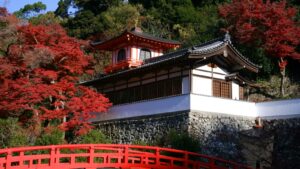
Autumn (September–November): Arguably the most stunning season. The mountainsides erupt in fiery reds and golds, especially around late October to early November. The Hida River and canal reflections create picture-perfect scenes. The air is crisp, and local restaurants serve seasonal dishes featuring mountain vegetables and freshwater fish.
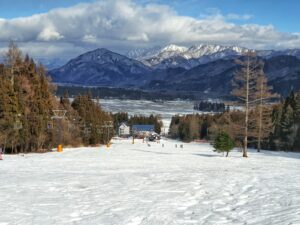
Winter (December–February): Snow transforms the town into a serene winter wonderland. The illuminated canals and snow-dusted eaves of old houses create a poetic atmosphere. While some attractions may have shorter hours, the town is peaceful, and cozy izakayas and onsen (hot springs) are especially inviting. It’s the quietest season, perfect for travelers seeking solitude.
THINGS TO DO / TRAVEL GUIDE
Hida-Furukawa may be small, but it’s packed with cultural and natural attractions that can fill a delightful two-day itinerary.
Stroll Through Kitagata District: This preserved Edo-period neighborhood is the heart of the town. Walk along the stone-paved streets and canals, peek into woodcarving workshops, and watch skilled artisans shape intricate designs. Visit the Hida Shunkei Gallery to see lacquerware artisans at work. Don’t miss the Midorino Koe park for a peaceful view of the town and mountains.
Visit the Hida Furukawa Historical Museum: Housed in a beautifully restored merchant house, this museum offers insight into the town’s history, silk production, and woodworking traditions. English explanations are limited, but the artifacts and architecture speak for themselves.
Sake Tasting at Local Breweries: The region’s pure mountain water and high-quality rice make it a haven for sake lovers. Visit Funasaka Sake Brewery or Harada Sake Brewery for tastings (usually around ¥500–¥1000). Many breweries offer tours in English with advance booking.
Explore the Hida River and Cycle Paths: Rent a bicycle from your ryokan or a local shop and ride along the Hida River. The path leads to nearby villages and offers stunning mountain views. It’s a great way to experience the countryside at your own pace—perfect for those looking to enjoy Japan Budget Travel without sacrificing immersion.
Day Trip to Takayama: Just a 15-minute train ride away, Takayama offers a larger old town, morning markets, and the famous Hida Folk Village. Many travelers split their time between the two towns, but Hida-Furukawa’s quieter vibe makes it worth staying overnight.
Practical Tips:
– Time: Most sights are open 9 AM–5 PM. Sake breweries may close early on Sundays.
– Costs: Museum entry is typically ¥400–¥600. Sake tastings are affordable, and many attractions are free to view.
– Etiquette: Be respectful in residential areas. When visiting sake breweries, it’s polite to buy a small bottle if you enjoy the tasting.
TRANSPORTATION & ACCESS
Hida-Furukawa is surprisingly accessible despite its rural location.
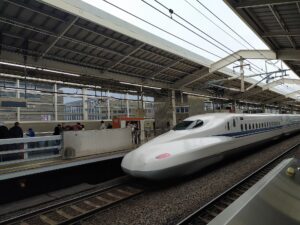
From Tokyo: Take the Hokuriku Shinkansen to Toyama (about 2 hours), then transfer to the JR Takayama Line to Hida-Furukawa Station (about 1 hour 15 minutes). Alternatively, take the limited express Hida from Nagoya (about 2 hours 20 minutes). The JR Pass is valid on these routes, making it cost-effective for travelers with a pass.
From Kyoto/Osaka: The most efficient route is via Nagoya. Take the Shinkansen to Nagoya (about 35 minutes from Kyoto, 50 from Osaka), then the limited express Hida to Hida-Furukawa.
Local Access: The town is compact and walkable. The main station, Hida-Furukawa, is just a 10-minute walk from the Kitagata district. Bicycle rental is a popular option, costing around ¥500–¥800 per day. Local buses connect to Takayama and nearby attractions like the Hida Folk Village.
First-Time Visitor Tips:
– Download offline maps; cell service can be spotty in mountain areas.
– Buy a local bento at the station for a scenic picnic by the canal.
– Trains can be infrequent (1–2 per hour), so check timetables in advance via Hyperdia or Google Maps.
PRACTICAL TRAVEL TIPS
Safety: Hida-Furukawa is extremely safe, with low crime rates. Still, keep valuables secure in ryokans or hotels.
Money: Most shops and restaurants accept cash only. ATMs at 7-Eleven or the local post office are your best bet for withdrawing yen. Budget travelers will be pleased to know that meals (soba, udon, set meals) average ¥800–¥1,200, and guesthouses start around ¥3,500 per night.
Etiquette:
– Remove shoes when entering ryokans, temples, or traditional shops.
– Avoid eating while walking; find a bench or designated area.
– Be quiet in residential zones, especially at night.
What to Bring: Comfortable walking shoes, a reusable water bottle (tap water is drinkable and delicious), layered clothing for mountain weather, and a portable Wi-Fi device if you need constant connectivity.
What to Avoid: Don’t rush. Hida-Furukawa rewards slow travel. Also, avoid assuming every shop speaks English—learn a few basic Japanese phrases or use a translation app.
COMMON MISTAKES TO AVOID
1. Treating it as a “quick stop”: Many travelers visit Takayama and only spend an hour in Hida-Furukawa. To truly appreciate the town, stay at least one night. The evening and early morning atmosphere is when the town truly shines.
2. Visiting only during peak lunch hours: Some restaurants and sake breweries close between lunch and dinner (2–5 PM). Plan your day accordingly or reserve ahead.
3. Ignoring the ryokan experience: Skipping a stay in a traditional ryokan means missing out on kaiseki meals and onsen baths—core elements of the region’s hospitality.
4. Not bringing cash: Relying on card payments can lead to frustration. Always carry ¥5,000–¥10,000 in cash.
5. Overlooking local festivals: Check the town’s event calendar. Even small local festivals offer authentic cultural experiences and are free to attend.
CONCLUSION
Hida-Furukawa is more than a detour from Takayama—it’s a destination in its own right. With its preserved architecture, rich craftsmanship, serene canals, and warm hospitality, it offers an unforgettable look at rural Japan.
Whether you’re sipping sake by the river, browsing woodcarving workshops, or simply breathing in the mountain air, this town invites you to experience the soul of the Japanese Alps.
For travelers planning Japan Budget Travel, it’s a destination that delivers depth, beauty, and culture at an accessible price point. Add Hida-Furukawa to your itinerary and discover why this hidden gem is one of the most rewarding stops for cheap travel japan, japan on a budget seekers. You’ll leave with memories of authenticity, tranquility, and the timeless charm of old Japan.
FAQs
Q: How many days should I spend in Hida-Furukawa?
A: One full day and night is ideal. This allows you to explore the old town, visit museums, enjoy sake tasting, and experience the peaceful evening and morning atmosphere.
Q: Is it worth visiting if I don’t drink sake?
A: Absolutely. The town’s architecture, woodworking traditions, canal walks, and natural scenery are enjoyable for all travelers. Many non-alcoholic cultural experiences are available.
Q: Can I visit Hida-Furukawa as a day trip from Takayama?
A: Yes, and it’s only 15 minutes by train. However, staying overnight allows you to experience the town’s quiet charm when day-trippers have left.
Q: Do I need a JR Pass to get there?
A: A JR Pass is helpful but not required. Without a pass, a one-way ticket from Tokyo to Hida-Furukawa costs about ¥12,000–¥14,000. The pass pays off if you’re traveling across multiple regions.
Q: Are English signs available?
A: Major attractions and stations have English signage, but some smaller shops and museums may not. A translation app or basic Japanese phrases will be useful.