Japan Budget Travel: Your Ultimate Guide to Affordable Adventures
Japan Budget Travel: Save Money Easily Dreaming of cherry blossoms, neon-lit cities, and ancient temples without breaking the bank? You’ve come to the right place. Japan is often perceived as an expensive destination, but with the right knowledge and strategy, it can be surprisingly accessible. This guide focuses on smart spending, allowing you to experience the rich culture, incredible food, and breathtaking landscapes that the Land of the Rising Sun has to offer.
Embracing true cheap travel japan, japan on budget principles means prioritizing experiences over luxury, and Japan rewards those who are willing to explore like a local. Whether you’re a solo backpacker, a couple on a romantic getaway, or a family planning a memorable trip, mastering the art of Japan Budget Travel is entirely possible with our comprehensive advice.
Overview & Location: Where to Go for an Affordable Trip
Japan consists of four main islands—Honshu, Hokkaido, Kyushu, and Shikoku—and a number of smaller archipelagos. While Tokyo, Osaka, and Kyoto are the most famous destinations, they don’t have to be the most expensive if you know where to look.
- Tokyo: The sprawling capital is a metropolis of contrasts. You can find high-end dining in Ginza but also incredibly cheap, delicious meals in local neighborhoods like Ikebukuro, Shinjuku’s Omoide Yokocho, or Asakusa. The city offers many free attractions, such as wandering the grounds of the Imperial Palace or visiting the Senso-ji Temple.
- Kyoto: Known for its classical Buddhist temples, gardens, imperial palaces, and traditional wooden houses (machiya). While accommodation can be pricier here, the city is compact and highly walkable. Renting a bicycle is a budget-friendly way to explore the narrow lanes of Gion and the Philosopher’s Path.
- Osaka: Famous for its modern architecture, nightlife, and street food. Osaka is often considered slightly more affordable than Tokyo for food and accommodation. Dotonbori is a must-visit, but be sure to venture into the side streets for cheaper eats.
- Hokkaido: The northern island is a haven for nature lovers. In winter, it offers world-class skiing at a fraction of the cost of European resorts. In summer, its national parks and flower fields are spectacular and free to access.
- Kyushu & Shikoku: These southern islands are often overlooked by budget travelers but offer incredible value. Fukuoka (Kyushu) is famous for its yatai (street food stalls), and the island is home to Mount Aso and relaxing hot springs. Shikoku is the least traveled, offering rugged coastlines, the 88 Temple Pilgrimage, and a very low cost of living.
Best Time to Visit: Timing Your Trip for Savings
Timing is crucial for a successful budget trip. Japan has four distinct seasons, each with its own pros and cons regarding cost and crowds.
- Spring (March to May): This is cherry blossom season (sakura), the most iconic time to visit. However, it is also the most expensive and crowded time for flights and hotels. To save money, visit in late April or early May when the blossoms are fading in Tokyo but just beginning in northern regions like Hokkaido.
- Summer (June to August): Summer brings hot, humid weather and the rainy season (tsuyu) in June. While festival season (matsuri) is vibrant and exciting, it drives up accommodation prices in specific cities. Look for deals in the countryside or head to the mountains for cooler temperatures and lower costs.
- Autumn (September to November): Often considered the best balance of weather and scenery. The autumn foliage (koyo) is stunning, rivaling the cherry blossoms in popularity. September can bring typhoons, so travel insurance is recommended. October and November generally offer pleasant weather, fewer crowds than spring, and more stable pricing.
- Winter (December to February): This is the low season for most of Japan except for ski resorts and New Year holidays. Flights and hotels are cheapest in January and February. It’s the perfect time to explore the cities without the summer heat or spring crowds. Just pack warm layers!
Things to Do / Travel Guide: Maximizing Your Experience on a Budget
Experiencing Japan doesn’t require a hefty wallet; it requires a curious mind. Here’s how to enjoy the best of Japan while keeping costs down.
1. Eat Like a Local
Street food is your best friend. Try takoyaki (octopus balls) in Osaka or taiyaki (fish-shaped cakes) in Tokyo. Convenience stores (konbini) like 7-Eleven, FamilyMart, and Lawson offer surprisingly high-quality, cheap meals including onigiri (rice balls), bento boxes, and sandwiches. For sit-down meals, look for ramen shops with vending machine ordering systems or gyudon (beef bowl) chains like Yoshinoya or Sukiya. Avoid the tourist traps near major stations and walk a few blocks away to find local favorites.
2. Accommodation Hacks
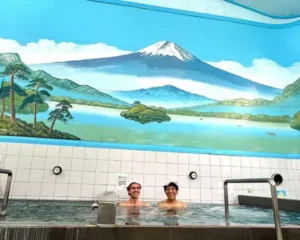
Capsule hotels and hostels are staples of affordable accommodation. They are clean, safe, and centrally located. Ryokans (traditional inns) can be expensive, but look for older, family-run ones or public bathhouses (sento) to experience the culture without the overnight price tag. Airbnb is an option, but be mindful of service fees and regulations in Japan. Booking well in advance is key for the best rates.
3. Sightseeing for Free
Many of Japan’s best sights are free. Hiking up Mt. Takao near Tokyo offers panoramic views and costs nothing but a train ticket. In Kyoto, walking through the Fushimi Inari Shrine (famous for its thousands of red torii gates) is free, though crowded—go early morning or late evening. Many museums offer free admission days (usually once a month), and shrine grounds are generally free to explore.
4. Transportation Savings
The Japan Rail (JR) Pass has increased in price significantly. For short trips, it may no longer be worth it. Instead, use regional passes like the JR Kansai Wide Area Pass or the JR East Pass. For intra-city travel, buy a prepaid IC card (Suica or Pasmo) for trains and buses. Overnight highway buses are a budget traveler’s secret weapon, connecting cities like Tokyo and Kyoto for a fraction of the cost of the Shinkansen (bullet train). They save you a night of accommodation costs, too!
Transportation & Access: Getting Around Japan
Navigating Japan is efficient, but costs can add up if you’re not careful.
From the Airport:
Avoid the expensive taxis. From Narita (Tokyo), the Narita Express is convenient but costs around 3,000 yen. The Keisei Skyliner is slightly faster and cheaper. The cheapest option is the local Keisei Main Line or the bus, which takes longer but can cost under 1,000 yen. From Kansai Airport (Osaka), the Haruka Express is the premium option, while the Nankai Line is more affordable.
Inter-City Travel:
As mentioned, the Shinkansen is fast but pricey. If you are traveling between Tokyo and Osaka (a distance of about 500km), a one-way ticket costs roughly 14,000 yen. Compare this to an overnight bus (5,000–8,000 yen). If you are flying, domestic budget airlines like Peach or Jetstar often have flights cheaper than the train, especially if booked in advance.
Local Transit:
Japanese cities are best explored by subway and train. Day passes (like the Tokyo Subway Ticket) offer unlimited rides and are usually worth it if you plan on taking more than three rides. Walking is highly encouraged; neighborhoods are dense and full of hidden gems that you might miss while underground.
Practical Travel Tips: Money, Safety, and Etiquette
Money:
Japan is still largely a cash society, especially in rural areas and smaller shops. While credit cards are accepted in department stores and hotels, always carry cash. ATMs at 7-Eleven and Japan Post Offices are your best bet for international cards. Withdraw larger amounts to minimize transaction fees.
Safety:
Japan is one of the safest countries in the world. Violent crime is rare, and you can walk around late at night without fear. However, standard precautions apply—watch your belongings in crowded trains (especially the Yamanote Line in Tokyo) and be aware of your surroundings.
Etiquette:
- Shoes: Remove your shoes when entering homes, ryokans, and some traditional restaurants. Look for the shoe rack at the entrance.
- Trash: Public trash cans are scarce. Carry a small plastic bag to hold your trash until you find a bin or return to your hotel.
- Noise: Keep your voice down on public transportation. Talking loudly on trains is frowned upon.
- Tipping: Tipping is not practiced in Japan. Good service is standard and included in the price. Leaving money on the table can actually cause confusion.
Common Mistakes to Avoid
1. Overpacking Your Itinerary: Trying to see Tokyo, Kyoto, Osaka, and Hiroshima in one week is a recipe for exhaustion and high transport costs. Slow down and explore fewer places in depth.
2. Buying the JR Pass Blindly: Do the math. With the recent price hike, the JR Pass only makes sense for long-distance travel within a short timeframe (e.g., Tokyo-Kyoto-Osaka-Hiroshima-Tokyo within 7 days). If you are staying in one region, regional passes are better.
3. Eating Near Tourist Hotspots: Restaurants near Senso-ji Temple or Tokyo Station are often overpriced. Walk five minutes away from the main attraction to find better food at lower prices.
4. Ignoring “Golden Week”: Avoid traveling during Golden Week (late April to early May). It is a series of national holidays where domestic travel peaks, making everything expensive and crowded.
5. Not Checking Check-in Times: Many budget hotels and hostels have strict check-in times (e.g., 3 PM to 8 PM). If you arrive early, you might be locked out or charged an early check-in fee. Plan your arrival accordingly.
Conclusion
Japan is a land of endless discovery, proving that you don’t need a fortune to explore its wonders. By utilizing local transport, eating street food, and choosing accommodations wisely, you can immerse yourself in a culture that is both ancient and hyper-modern. The key to successful cheap travel japan, japan on budget is preparation and flexibility. Whether you are soaking in an onsen, hiking through bamboo forests, or marveling at the neon skyline, the memories you make will be priceless. For an unforgettable journey that respects your wallet, start planning your Japan Budget Travel adventure today.
FAQs
Is Japan expensive for tourists?
Japan has a reputation for being expensive, but it is possible to travel there on a budget comparable to other developed countries like the USA or UK. Daily costs can range from 5,000 to 10,000 yen ($35–$70 USD) if you stick to budget accommodations, local food, and public transport.
What is the cheapest way to enter Japan?
Flying into Narita (Tokyo) or Kansai (Osaka) usually offers the most competitive flight prices. Look for budget airlines like Zipair or Peach. Being flexible with dates and avoiding peak seasons like cherry blossom or Golden Week will significantly lower airfare costs.
Do I need a visa to visit Japan?
Citizens of many countries (including the US, UK, Canada, and Australia) can enter Japan visa-free for up to 90 days for tourism. Always check the latest requirements with your local Japanese embassy or consulate before booking.
Is the JR Pass worth it now?
Since the price increase in late 2023, the Japan Rail Pass is no longer a “must-have” for every traveler. It is now only cost-effective if you plan on taking multiple long-distance Shinkansen trips within a very short period (usually 7 or 14 days). For regional exploration, local passes are more economical.
Can I use credit cards in Japan?
Credit card usage has increased significantly, especially in cities. You can use cards at convenience stores, department stores, and many restaurants. However, cash is still king in smaller shops, traditional inns, and for transportation tickets bought at local stations. Always carry some yen.
What is the best budget food to eat in Japan?
Ramen is the ultimate budget meal, typically costing 800–1,200 yen. Gyudon (beef bowls) are even cheaper. Convenience stores offer meal sets for under 500 yen. In Osaka, look for kushi-katsu (deep-fried skewers) and street food. In Tokyo, department store basements (depachika) sell discounted bento boxes in the evening.