Japan Capsule Hotel Experience
Introduction
Japan in autumn is a breathtaking spectacle of fiery reds, burnished golds, and vibrant oranges. As the summer humidity fades and a crisp breeze settles over the islands, the entire country transforms into a living canvas of natural art. While the majestic temples of Kyoto and the rural landscapes of Tohoku offer famous views, Tokyo provides a unique urban autumn experience where ancient shrines and neon-lit streets are framed by glowing maple leaves and ginkgo trees. For the budget-savvy traveler, this season is also the perfect time to experience the city without breaking the bank. Finding a cozy and efficient Japan Capsule Hotel ensures you can spend more on experiences and delicious seasonal treats.
Overview & Location
The Tokyo Metropolitan Area
Tokyo is a sprawling metropolis that blends ultra-modern innovation with deep-rooted tradition. In autumn, the city’s extensive park systems and temple grounds become popular retreats for locals and visitors alike. The city is located on the southeastern side of Japan’s main island, Honshu, bordering Tokyo Bay.
Key Viewing Districts
1. Shinjuku Gyoen: Located in the bustling Shinjuku ward, this large park combines traditional Japanese landscape gardens with Western-style botanical gardens. It is one of the best places to see maple trees (momiji) against the backdrop of the towering Metropolitan Government Building.
2. Rikugien Garden (Bunkyo Ward): This Edo-period garden is famous for its weeping maple trees that create a stunning tunnel of red leaves. The pond-centered design offers picturesque reflections, making it a photographer’s dream.
3. Meiji Jingu Gaien (Shibuya Ward): Here, you will find the famous Ginkgo Avenue. About 300 meters long, this path is lined with towering ginkgo trees that turn a brilliant yellow in late November, creating a majestic canopy over the wide avenue.
Best Time to Visit
Timing the Foliage
Leaf-viewing season (koyo) in Tokyo is more predictable than in northern Japan but varies slightly each year depending on weather patterns.
- Early to Mid-November: This is generally the peak season for maple trees in Tokyo. The leaves turn a vibrant scarlet, and the weather is usually mild and sunny.
- Late November to Early December: This period marks the peak for ginkgo trees. Their leaves turn a bright golden yellow before falling, carpeting the ground with a stunning layer of gold.
Weather and Crowds
Autumn in Tokyo is characterized by clear skies and low humidity, with average temperatures ranging from 12°C to 18°C (54°F to 64°F). It is arguably the most comfortable time of year to walk long distances. Weekends, particularly around mid-November, can get very crowded at popular spots like Shinjuku Gyoen and Ueno Park. For a more relaxed experience, aim to visit on weekday mornings.
Things to Do / Travel Guide
Beyond leaf-peeping, Tokyo offers a wealth of autumn activities.
1. Seasonal Food Hunting (Shokuyoku no Aki)
Autumn is known as “the appetite of autumn” in Japan. Be sure to try:
- Kuri Kinton: Mashed sweet potatoes mixed with chestnuts, often served at shrines and convenience stores.
- Sanma (Pacific Saury): Grilled salted saury is a staple autumn fish.
- Momiji Tempura: In some areas near Kyoto and Tokyo, you can find deep-fried maple leaves. While not common everywhere, specialty shops sometimes sell them.
2. Visiting Autumn Festivals (Matsuri)
- Toraya Kifu Matsuri: Held at Meiji Jingu Shrine (usually late November), this festival features classical music and dance performances surrounded by autumn foliage.
- Kichijoji Autumn Festival: Located in the Kichijoji area, this festival features antique markets and street food, creating a lively atmosphere.
3. Cultural Immersion
Visit a sento (public bath) or an onsen to warm up after a day of exploring. While Tokyo is a city of hotels, staying in a high-tech, modern accommodation is part of the experience. A well-chosen capsule hotel japan, cheap stay japan offers a unique cultural experience, allowing you to mingle with locals and fellow travelers while enjoying top-notch amenities for a fraction of the cost of a Western hotel.
Transportation & Access
Getting Around Tokyo
Tokyo’s public transportation is efficient and easy to navigate.
- Subway and JR Lines: The JR Yamanote Line is a circular line that stops at major hubs like Shinjuku, Shibuya, and Ueno. For specific gardens, the Tokyo Metro Ginza and Marunouchi lines are essential.
- IC Cards: Purchase a Suica or Pasmo card (or use the mobile wallet version). These rechargeable cards work on almost all trains, subways, and buses in Tokyo.
- Walking: Tokyo is a walking city, especially during autumn. Bring comfortable shoes, as you will likely cover significant distances between parks and train stations.
Arrival
Most international travelers arrive at Narita (NRT) or Haneda (HND) airports. From Narita, the Narita Express (N’EX) or Keisei Skyliner offers direct access to central Tokyo. From Haneda, the Tokyo Monorail or Keikyu Line connects you to the city center in under 30 minutes.
Practical Travel Tips
Money and Costs
- Currency: Japanese Yen (JPY). While Tokyo is modern, many small eateries and markets are cash-only. Always carry a small amount of cash.
- Budgeting: Japan is often more affordable than travelers expect, especially regarding food and transit. Staying at a Japan Capsule Hotel can save you hundreds of dollars, allowing you to splurge on a high-end sushi dinner or a ticket to the Skytree.
Etiquette
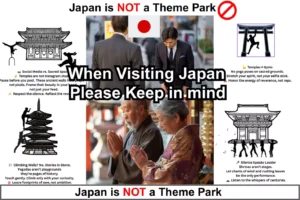
- No Eating While Walking: In public areas (especially around temples and shrines), it is considered rude to eat while walking.
- Noise Levels: Keep your voice down on trains. Phone calls are generally prohibited on public transport.
- Trash: Public trash cans are rare. Carry a small plastic bag to hold your trash until you return to your hotel or find a recycling bin at a convenience store.
Common Mistakes to Avoid
1. Overpacking: Tokyo involves a lot of walking and train transfers. Heavy luggage is a burden. Pack light and use luggage forwarding services (Takkyubin) if you need to move suitcases between cities.
2. Missing the Last Train: Tokyo trains stop running around midnight (12:30 AM to 1:00 AM). Taxis are expensive. Plan your evening accordingly or book a late-night spot close to your accommodation.
3. Staying Too Far Out: While accommodations outside the Yamanote Line are cheaper, the commute time can eat into your day. Staying centrally, even in a compact room, saves time and energy.
4. Ignoring the Weather: Autumn days can be warm, but nights get cold. Dress in layers. A light coat is essential for evening walks through the illuminations.
Conclusion
Tokyo in autumn is an unforgettable experience that offers the perfect blend of nature, food, and culture. The city’s ability to balance the frantic pace of modern life with serene moments of natural beauty is truly unique. Whether you are gazing at the golden Ginkgo Avenue, savoring roasted chestnuts, or navigating the neon-lit streets of Shibuya, the energy of Tokyo is palpable. For an authentic and cost-effective journey, embrace the compact efficiency of a capsule hotel japan, cheap stay japan experience, and ensure your travel budget goes toward making memories rather than just a place to sleep. This autumn, let Tokyo captivate your senses.
FAQs
What is the best month to see autumn leaves in Tokyo?
Mid-November is generally the peak for maple trees, while late November to early December is best for ginkgo trees.
How expensive is Tokyo in autumn?
Autumn is a popular season, so airfares may be slightly higher than in summer or winter. However, accommodation prices in capsule hotels or business hotels remain reasonable, and food costs are manageable if you stick to local eateries.
Do I need to book capsule hotels in advance?
Yes, especially for weekends in November. While some capsule hotels allow same-day bookings, popular locations in Shinjuku and Shibuya fill up quickly during peak foliage season.
What should I wear for autumn in Tokyo?
Layering is key. Bring a t-shirt or long-sleeve shirt, a sweater or fleece, and a medium-weight coat or jacket. Comfortable walking shoes are mandatory.
Are capsule hotels safe and clean?
Absolutely. Japanese capsule hotels are known for their cleanliness, safety, and high hygiene standards. They are a popular choice for solo travelers and businesspeople alike.
Can I use credit cards in Tokyo?
Major hotels, department stores, and chain restaurants accept credit cards. However, small shops, local restaurants, and some transit ticket machines still prefer cash. Always carry some yen.
Is English widely spoken?
In major tourist areas, signage is bilingual (Japanese/English), and basic English is understood. However, learning a few basic Japanese phrases is appreciated and helpful.
How do I get from the airport to the city center?
From Narita, the Narita Express or Skyliner takes about 60 minutes to central Tokyo. From Haneda, the Tokyo Monorail or Keikyu Line takes 20–30 minutes to reach major hubs like Hamamatsucho or Shinagawa.