Japan Halal Food Guide for Muslims
Introduction
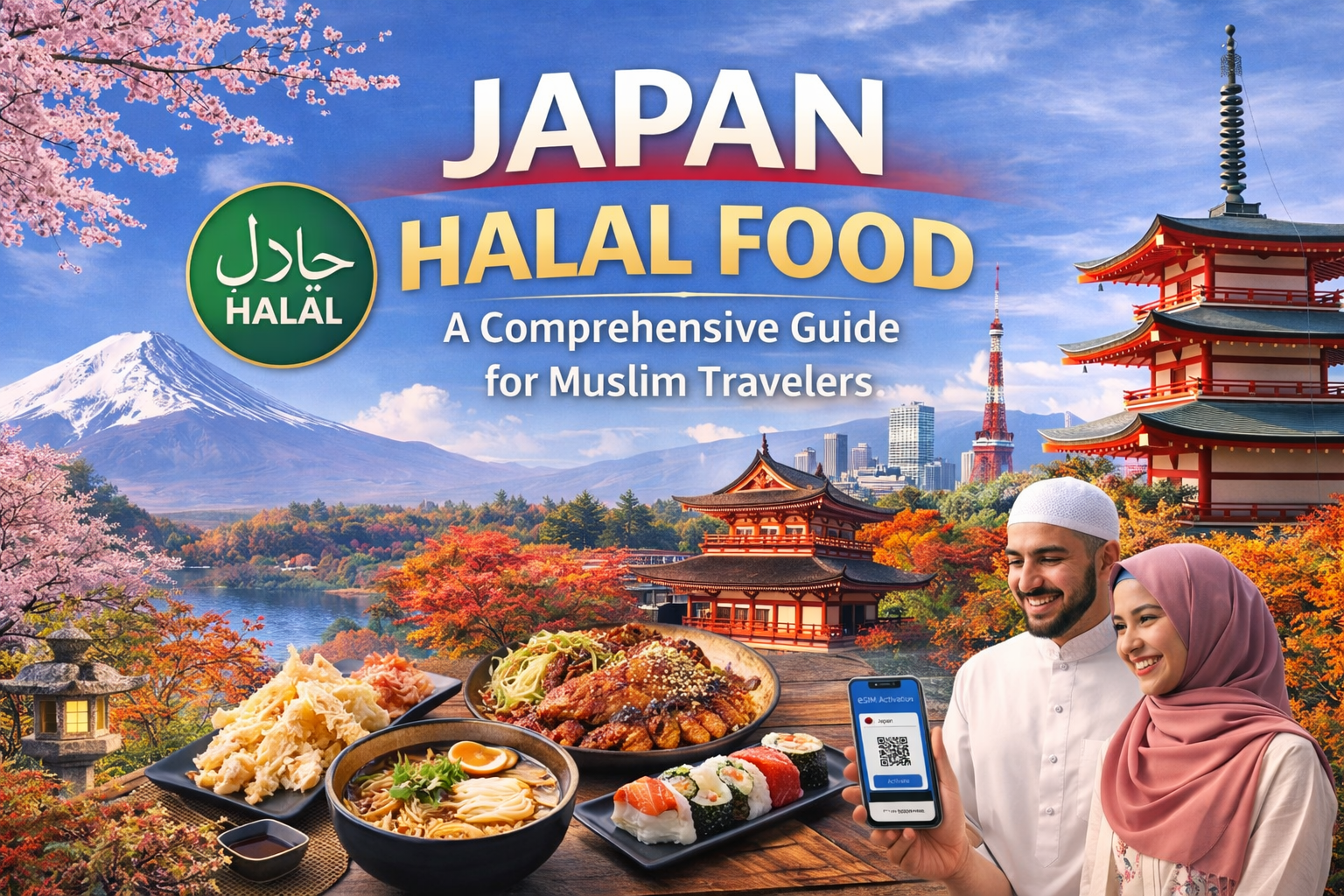
Japan is a dream destination for many travelers, offering a mesmerizing blend of ancient traditions and futuristic cities. However, for Muslim visitors, the question of where and what to eat can often be a significant concern. Navigating the culinary landscape requires a bit of knowledge, but the country is rapidly embracing its role in global tourism. In recent years, the availability of Japan Halal Food has expanded dramatically, moving from niche markets in major cities to mainstream dining options. Whether you are exploring the neon-lit streets of Tokyo or the historic temples of Kyoto, finding meals that respect your dietary needs is becoming easier than ever. This guide is designed to help you navigate the delicious world of halal food japan, muslim travel japan, ensuring your trip is as worry-free as it is unforgettable.
Overview & Location
When discussing halal dining in Japan, it is helpful to understand the geography of availability. While you can find options throughout the country, the highest concentration of certified restaurants and grocery stores is located in major metropolitan areas like Tokyo, Osaka, and Kyoto. Tokyo, as the capital, leads the way with a diverse array of eateries, from ramen shops to high-end Indian cuisine. Osaka, known as the “nation’s kitchen,” offers a vibrant street food culture that is slowly adapting to halal requirements, particularly in the Dotonbori district. Kyoto, the cultural heart of Japan, provides halal-friendly options near its famous landmarks, such as Kinkaku-ji (The Golden Pavilion) and Fushimi Inari Shrine.
Beyond the big cities, places like Hiroshima, Yokohama, and even ski resorts in Hokkaido are beginning to cater to Muslim travelers. The atmosphere in these dining spots ranges from traditional Japanese settings to modern, casual cafes. Many establishments are family-run, offering a warm welcome to international guests. Understanding that Japan is an archipelago with distinct regional cuisines helps travelers plan their food journey alongside their sightseeing itinerary.
Best Time to Visit
Japan offers distinct experiences depending on the season, and this extends to the dining scene as well. Spring (March to May) is iconic for cherry blossoms (sakura), but it is also a time when outdoor halal-friendly picnic options, such as bento boxes, are popular. The weather is mild, making it comfortable to walk between restaurants. However, this is a peak tourist season, so popular halal spots in Tokyo and Kyoto can get crowded.
Autumn (September to November) is arguably the best time for food lovers. The weather is cool and pleasant, and the autumn harvest influences menus with seasonal ingredients. Winter (December to February) offers the advantage of fewer crowds and the opportunity to enjoy warming halal hot pots (nabe) and ramen, particularly in snowy regions like Hokkaido. Summer (June to August) is hot and humid; while it’s festival season, offering halal-friendly street food options like grilled corn or dango, the heat can be intense for sightseeing and dining. Ultimately, the best time depends on your tolerance for weather and crowds, but Japan’s halal food scene is open year-round.
Things to Do / Travel Guide
Embarking on a culinary adventure is one of the best parts of visiting Japan. Here are specific activities and experiences centered around Japan Halal Food that you should not miss:
-
- Visit Halal-Certified Ramen Shops: Japan is famous for ramen, and now you don’t have to miss out. Look for shops in Tokyo (like in Shinjuku or Asakusa) that offer halal shoyu or miso ramen. Be sure to check if the broth is pork-free (tonkotsu) or if they use chicken/vegetable bases.
- Explore Supermarket “Halal Corners”: Major supermarkets like Don Quijote (Donki) and Tokyu often have dedicated sections for halal snacks, sauces, and instant noodles. This is a great way to stock up on breakfast items or souvenirs.
- Experience an Izakaya Lunch: While traditional izakayas (pubs) often serve alcohol, several modern izakayas in Tokyo and Osaka now offer halal menus. Enjoy yakitori (grilled chicken skewers) and karaage (fried chicken) in a lively atmosphere.
- Attend a Cooking Class: Several organizations in Kyoto and Tokyo offer halal-friendly cooking classes where you can learn to make sushi, tempura, or sweets. This is a fantastic way to engage with Japanese culture hands-on.
- Halal Sushi Etiquette: Learning how to eat sushi is an art. For halal options, look for places that use chicken or beef instead of traditional fish, or visit seafood spots that confirm no cross-contamination with alcohol or pork products. Learn to dip the fish side, not the rice, into the soy sauce.
For those engaging in halal food japan, muslim travel japan, planning ahead is key. Use apps like “Halal Navi” or “Muslim Pro” to locate nearby mosques and restaurants. While street food is tempting, always ask the vendor about ingredients, as soy sauce often contains fish extracts or alcohol.
Transportation & Access
Getting around Japan to access halal food spots is incredibly efficient thanks to the public transportation system. The Japan Rail (JR) Pass is the most cost-effective way for tourists to travel between cities. For intra-city travel, IC cards like Suica or Pasmo are essential. In Tokyo, the subway system is dense; most halal restaurants are within a 5-10 minute walk from stations like Shinjuku, Shibuya, or Ueno.
When planning your route, keep in mind that GPS accuracy in Japan is high, but street names are not always displayed in English. It is best to use Google Maps or Japan Travel by Navitime to navigate to specific halal eateries. If you are renting a car (useful for rural areas), ensure you have an International Driving Permit. For first-time visitors, the “Haruka” express train from Kansai International Airport (Osaka) and the “Narita Express” from Narita Airport (Tokyo) are the easiest ways to reach city centers where halal dining is concentrated.
Practical Travel Tips
Navigating Japan as a Muslim traveler involves more than just finding food; it requires understanding cultural nuances. Here are essential tips:
-
- Prayer Spaces: Major train stations (Tokyo Station, Shinjuku, Osaka Station) often have multi-faith prayer rooms. Shopping malls like Don Quijote usually have dedicated spaces for Muslim prayer.
- Money: While Japan is becoming cashless, many smaller halal eateries or street vendors still prefer cash. Always carry Yen in coins and bills.
- Halal Certification: Look for the “JMA” (Japan Muslim Association) logo or the “Halal Japan” certification. However, “Muslim-friendly” doesn’t always mean strictly certified; it often means the owner understands dietary restrictions.
- Alcohol in Food: Be cautious of “mirin” (sweet rice wine) and “sake” used in cooking, as they are common in Japanese sauces and broths. If in doubt, ask for “sake nuki” (no sake) or “mirin nuki”.
- Greetings: Learning simple phrases helps. “Salaam alaikum” is recognized in larger cities, and “Arigato” (Thank you) goes a long way.
Common Mistakes to Avoid
Even seasoned travelers can make errors when navigating a new culture. Here are pitfalls to avoid regarding Japan Halal Food:
-
- Assuming “Vegetarian” means “Halal”: Japanese vegetarian dishes (shojin ryori) often use dashi (fish stock). Unless specifically labeled halal or vegan, it may not meet your requirements.
- Ignoring Convenience Stores: While 7-Eleven and Lawson are great for snacks, most pre-packaged meals contain pork or alcohol. However, they are excellent for bottled water, tea, and specific fruit items.
- Last-Minute Planning: Unlike Western countries where you can walk into any restaurant, halal options in Japan require research. Don’t wait until you are hungry to look for a place.
- Overlooking Rice: Plain white rice is almost always halal (unless seasoned with non-halal ingredients) and is a safe staple. Don’t overlook simple donburi (rice bowls) if you are in a pinch.
Conclusion
Japan has transformed significantly over the last decade to become a welcoming destination for Muslim travelers. From the bustling streets of Tokyo to the serene mountains of Kyoto, the journey to find delicious halal food japan, muslim travel japan options is now part of the adventure rather than a hurdle. The warmth of the Japanese people, combined with their growing respect for dietary restrictions, ensures a memorable experience. By planning ahead and respecting local customs, you can enjoy everything from sushi to ramen with peace of mind. Make sure to add Japan to your itinerary, knowing that a delicious, halal-friendly meal is never too far away.
When you finally arrive, remember that the search for Japan Halal Food is not just about sustenance; it is a doorway to understanding the culture. Every interaction at a halal restaurant is an opportunity to connect. So pack your bags, download your apps, and get ready to taste the best of Japan.
FAQs
Is halal food easy to find in Japan?
Yes, it is becoming much easier. While it was difficult ten years ago, today you can find halal restaurants and grocery stores in major cities like Tokyo, Osaka, and Kyoto. However, in rural areas, options are limited, so planning is essential.
Can I find halal food in convenience stores?
Generally, ready-to-eat meals in Japanese convenience stores (konbini) like 7-Eleven or FamilyMart are not halal as they often contain pork or alcohol. However, you can find bottled water, tea, coffee, and specific snacks like plain rice balls (onigiri) if you carefully read the ingredients (though cross-contamination is possible).
Is it okay to bring my own food into Japan?
Japan has strict quarantine laws regarding bringing in meat, fruits, and vegetables. It is generally not recommended to bring food from home. It is better to rely on the expanding halal grocery stores and restaurants within the country.
How do I identify a halal restaurant in Japan?
Look for certification logos such as the Japan Muslim Association (JMA) sticker or the Halal Japan logo. You can also use smartphone apps like “Halal Navi” or “Happy Cow” (for vegetarian/vegan, which can help filter options). “Muslim-friendly” is a common term used in Japan.
Are vegetarian dishes in Japan halal?
Not necessarily. Many traditional Japanese vegetarian dishes (shojin ryori) use “dashi,” a stock made from bonito (fish) flakes. Unless a dish is explicitly labeled as halal or certified as strictly vegan (with no fish stock or alcohol), it may not be suitable.