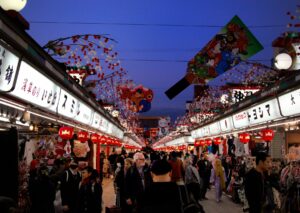
Wondering where to see geisha in Tokyo? You don’t need to go to Kyoto. Tokyo has its own living geisha culture — six active districts, free public performances, annual dance showcases, and even private dinners where geisha entertain your table. You just have to know where to look.
This guide covers seven authentic ways to see geisha in Tokyo in 2026, from completely free to once-in-a-lifetime, plus the etiquette that keeps the experience respectful.
First, a Quick Primer: Tokyo’s Six Geisha Districts
Geisha live and work in hanamachi — literally “flower towns.” Tokyo has six active hanamachi, each with its own character:
| District | Vibe | Good to know |
|---|---|---|
| Asakusa | Old Edo charm, most welcoming to visitors | Best for first-timers; near Sensō-ji Temple |
| Kagurazaka | “Tokyo’s Little Kyoto” — cobbled lanes, refined | Most atmospheric evening stroll |
| Shinbashi | Elegant, historically hosts politicians & executives | Home of the famous Azuma Odori |
| Mukojima | The largest and most traditional district | Quiet, along the Sumida River |
| Akasaka | Discreet, business-entertainment world | Hosts the Hikawa Festival in September |
| Yoshicho | Small, historic (Nihonbashi area) | Rarely visible to casual visitors |
Now, the seven ways to actually see them.
1. Free Geisha Performances at the Asakusa Culture Center 🆓
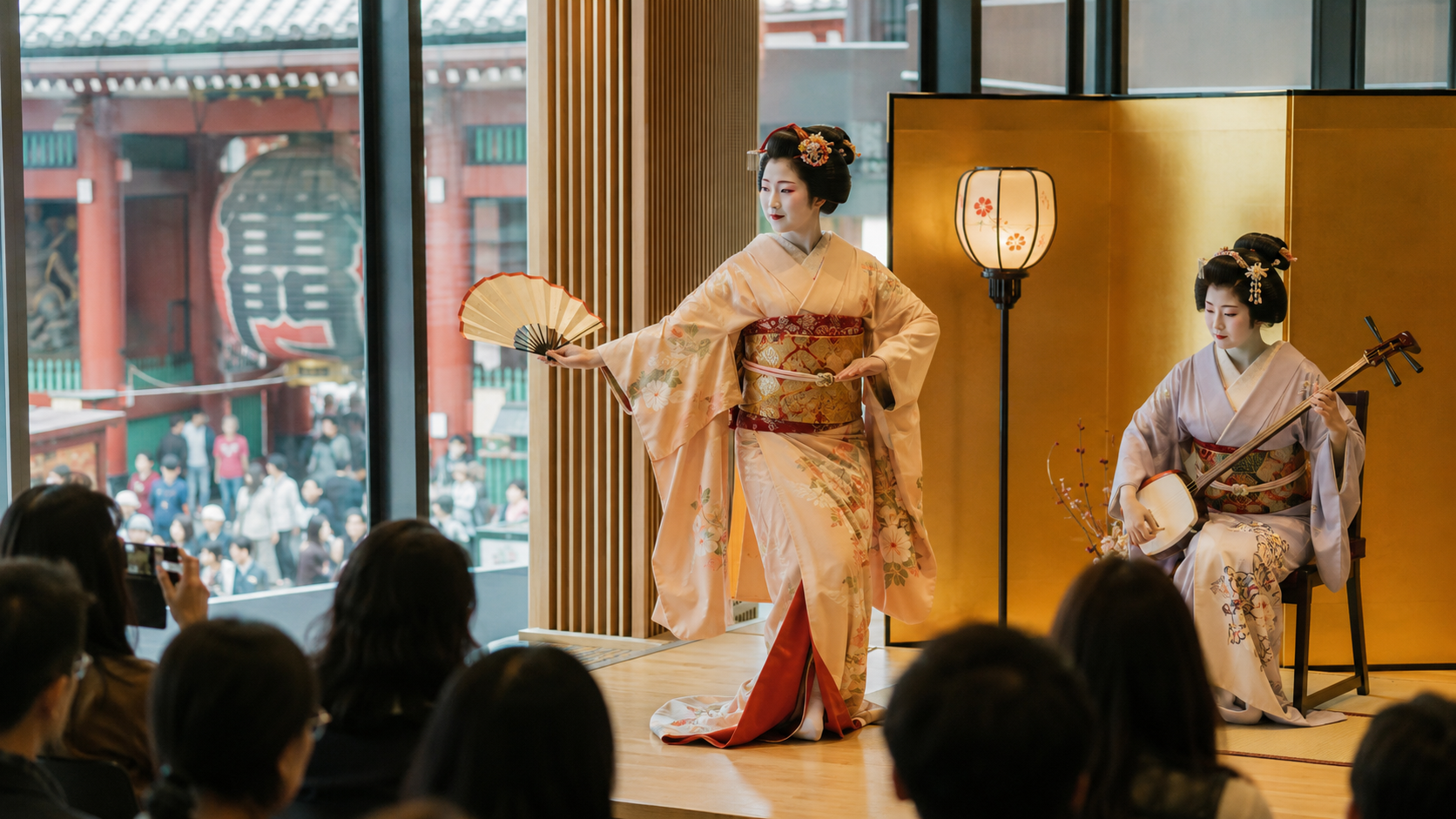
@japantovisit / Free Geisha Performances at the Asakusa Culture Center
The single best budget answer to where to see geisha in Tokyo: the Asakusa Culture Tourist Information Center, right across from the Kaminarimon Gate. On selected Saturdays through the year, geisha perform free 30-minute shows twice a day (1:00 p.m. and 2:30 p.m.) — dance, shamisen, singing, even taiko. Capacity is only around 100 seats, so arrive early. There’s often a chance to volunteer for ozashiki games with the geisha and take photos afterward.
Cost: Free · Best for: Everyone — this is the easiest authentic geisha experience in Japan.
2. The Azuma Odori — Shinbashi’s Grand Annual Showcase 🎭
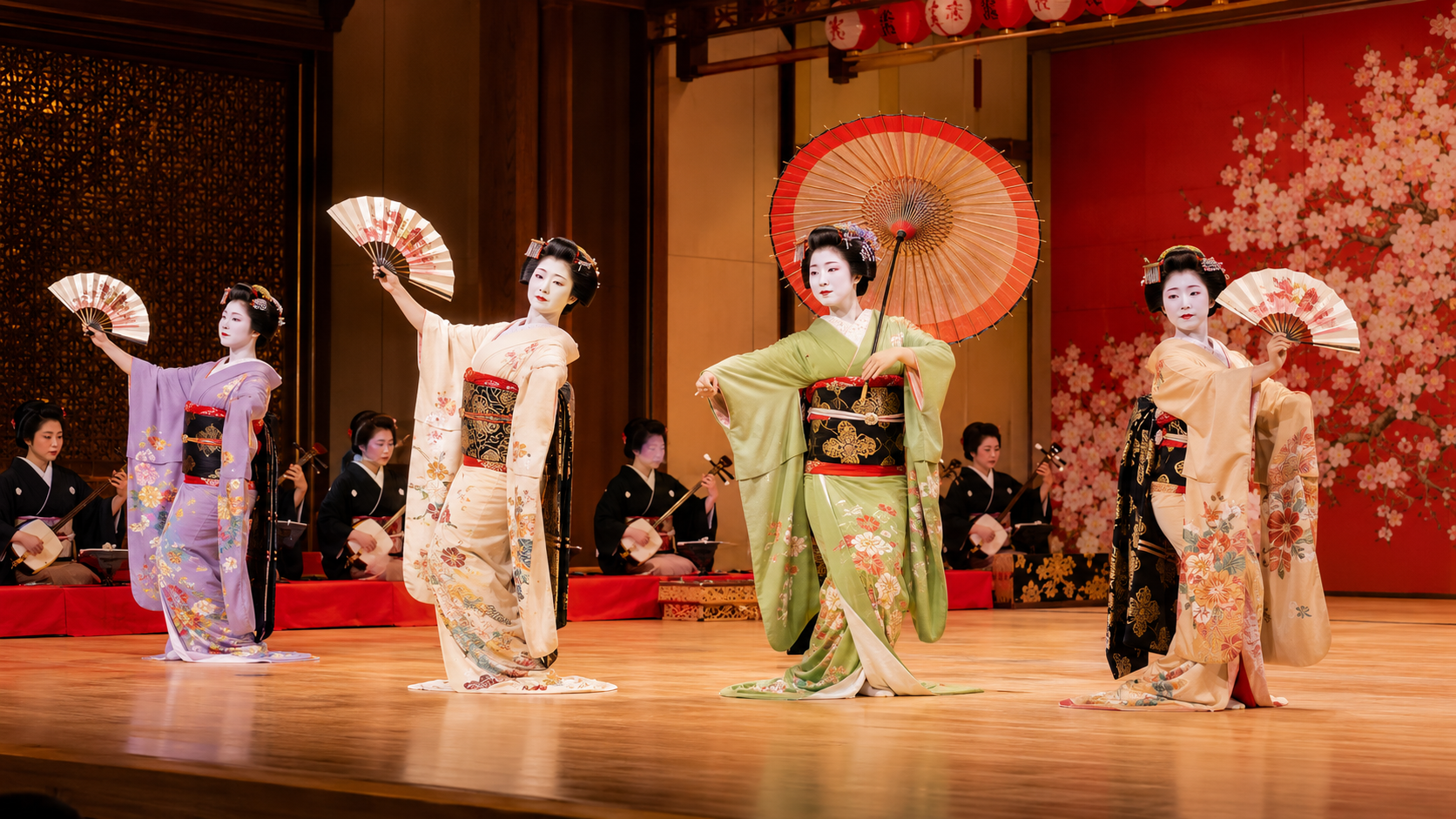
@japantovisit /The Azuma Odori — Shinbashi’s Grand Annual Showcase
Most geisha districts stage a public dance showcase once a year, opening up arts normally reserved for private rooms. Tokyo’s most famous is the Azuma Odori, held at the Shimbashi Enbujo Theater: a full program of classical dance (nihon buyō) with live shamisen and vocals, performed by the Shinbashi geisha themselves. Look closely for the details — seasonal kimono motifs, folding fans, paper umbrellas.
Cost: Tickets from about ¥3,000 · Best for: Seeing polished, theater-level geisha artistry.
Kagurazaka stages its own annual Kagurazaka Odori as well — worth checking if your dates line up.
3. Geisha Festivals & Street Events 🏮
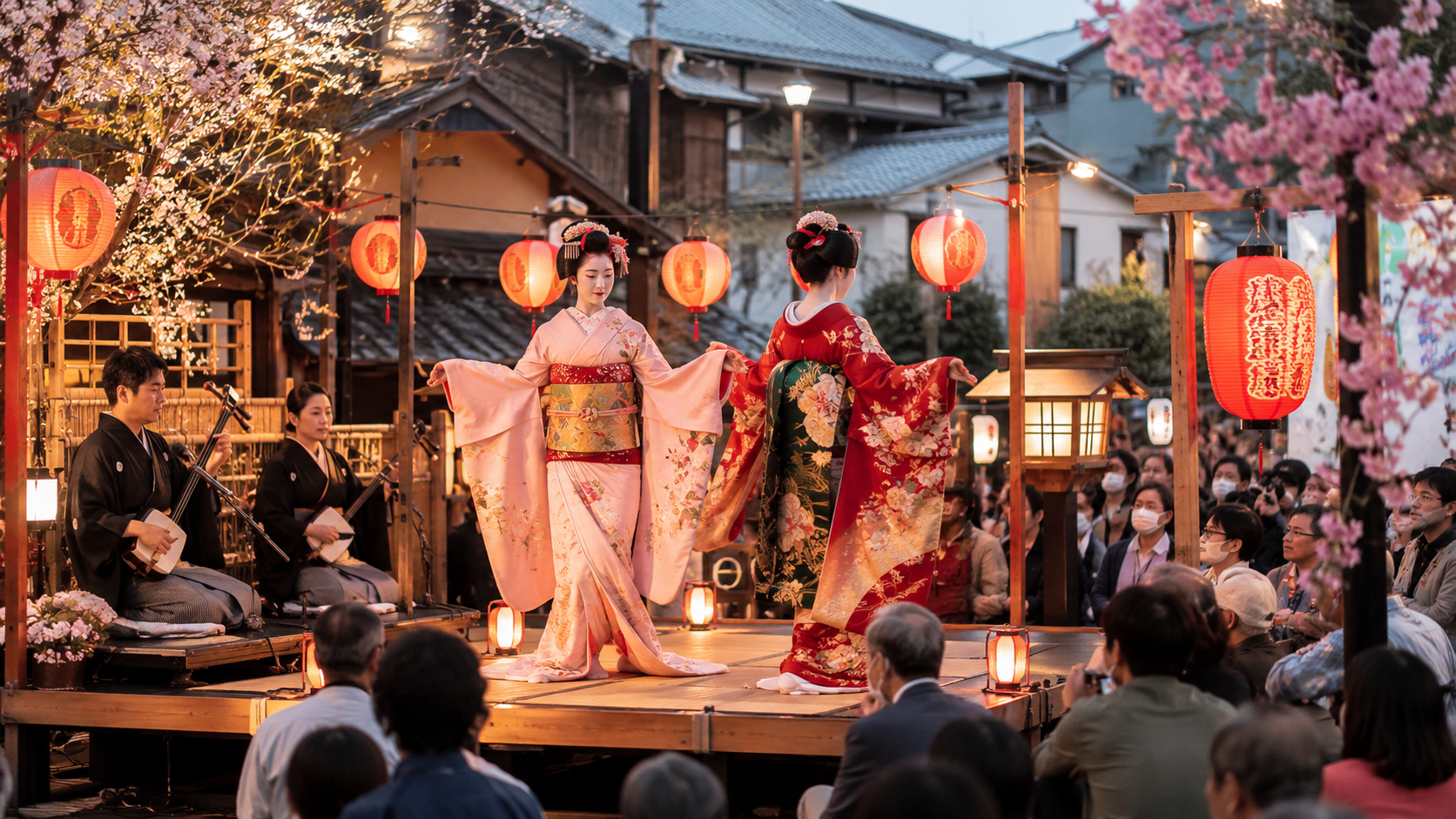
@japantovisit / Geisha Festivals & Street Events
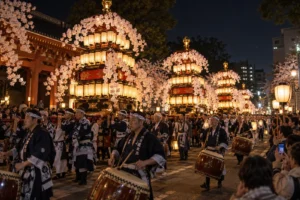
Several Tokyo festivals put geisha on public stages:
- Kagurazaka Street Stage Ōedo Tour (May): a relaxed, citywide cultural event with geisha appearances, shamisen performances, and occasional ozashiki games.
- Asakusa Kannon-ura Ichiyō Sakura Festival (April): geisha join the cherry-blossom festivities in Asakusa’s backstreets.
- Akasaka Hikawa Festival (mid-September): a chance to catch performances in the Akasaka district.
Cost: Free to watch · Best for: Catching geisha culture woven into real neighborhood life.
4. A Geisha Dinner Show 🍱
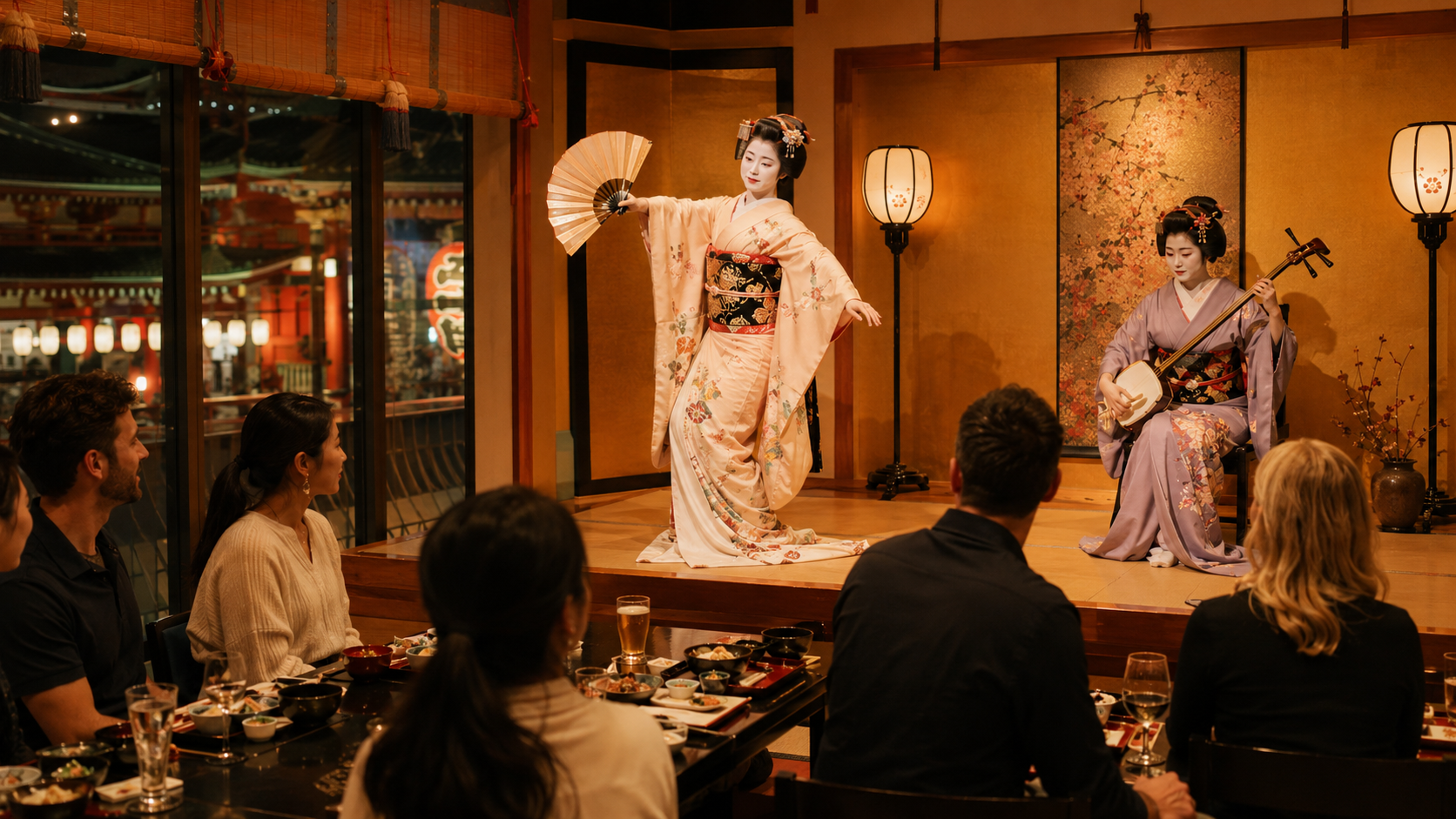
@japantovisit / A Geisha Dinner Show
Several venues run dinner shows aimed at international visitors — you eat a Japanese meal while geisha perform dance and shamisen on stage, usually with photos allowed and English support. One accessible example: the Asakusa Geisha Dance at the Asakusa View Hotel Annex (evening shows, around ¥5,000). It’s a step below a private booking in intimacy, but far easier to arrange.
Cost: From ~¥5,000 · Best for: A guaranteed performance without private-booking prices.
5. The Full Ozashiki Experience — Dinner With Geisha 🍶
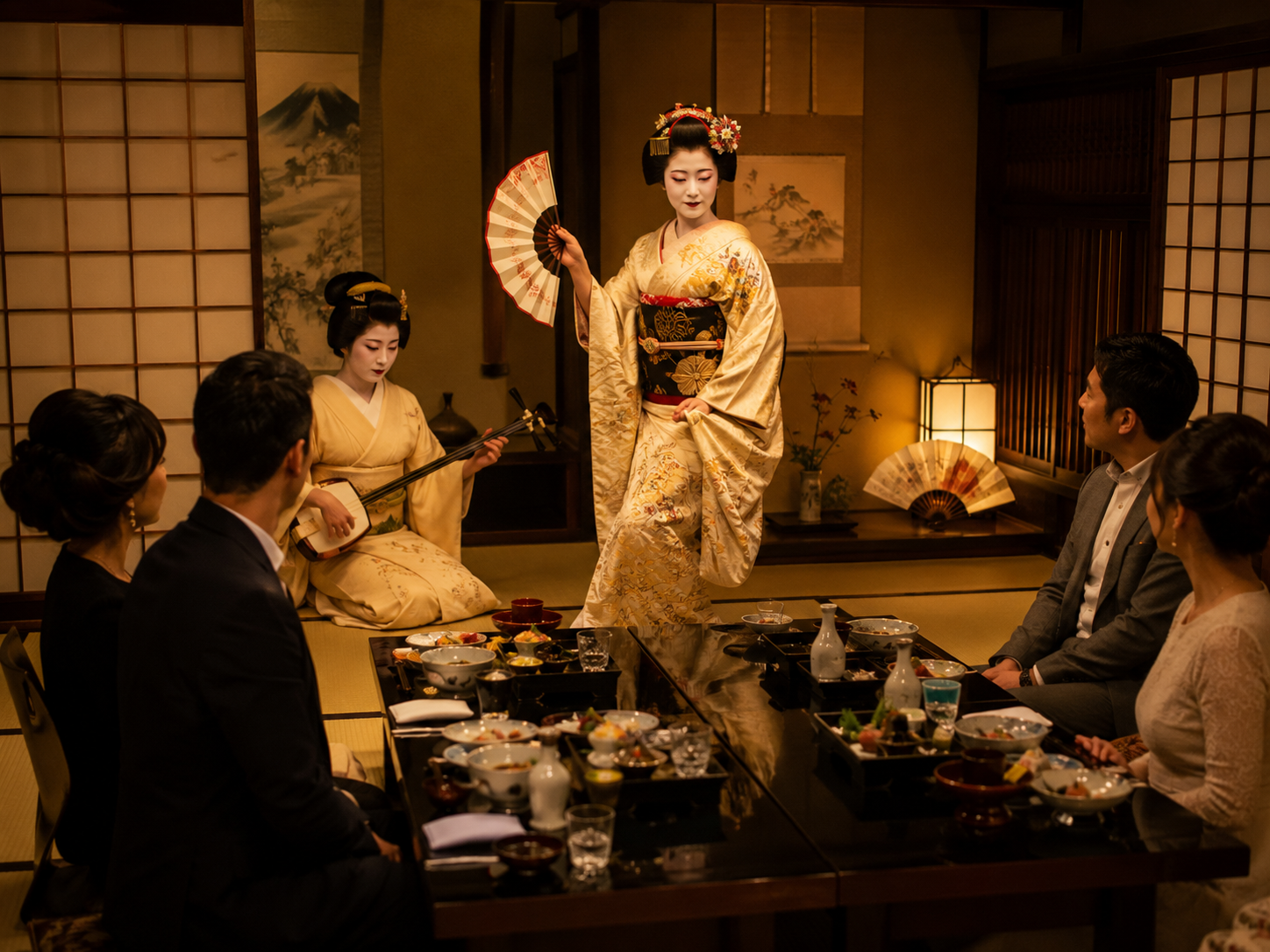
@japantovisit / The Full Ozashiki Experience — Dinner With Geisha
The pinnacle: a private ozashiki in a ryōtei (traditional restaurant), where geisha entertain your table — kaiseki dinner, dance and shamisen up close, drinking games, and conversation (interpreters are often provided). Historically these houses refused first-time visitors without an introduction, but districts like Asakusa and Kagurazaka now offer bookable experiences for travelers. Note that some venues don’t admit young children.
Cost: Expect a serious spend — this is a luxury experience · Best for: A once-in-a-lifetime evening inside a world normally closed to outsiders.
The food is half the event: a proper kaiseki dinner is Japanese haute cuisine, course after seasonal course. If you want to understand what you’ll be served before you go, this guide to kaiseki and traditional Japanese cuisine on japanDishes.com is a great primer.
6. A Geisha Tea Ceremony 🍵
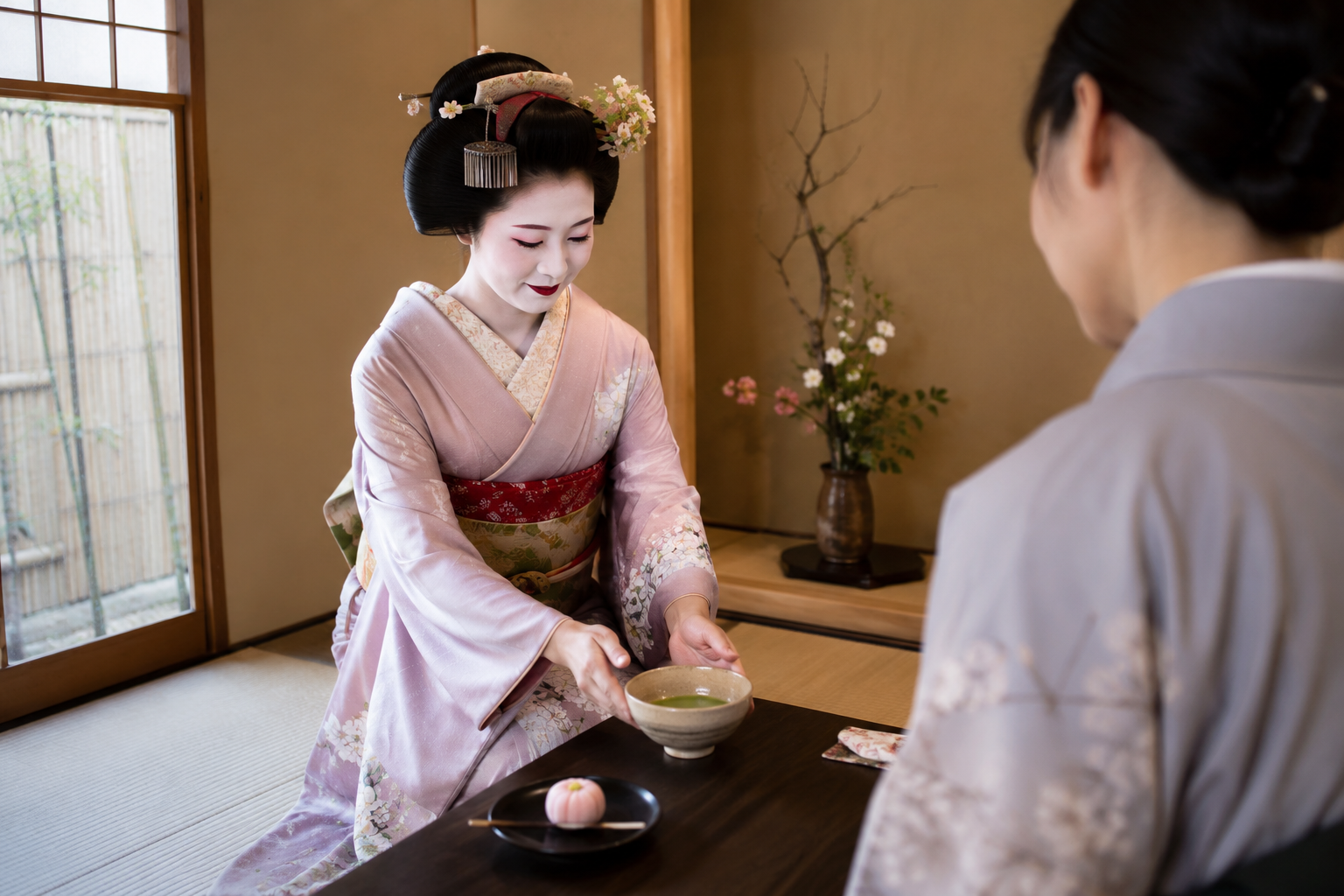
@japantovisit / A Geisha Tea Ceremony
For a quieter, more personal encounter, some establishments offer a private tea ceremony hosted by a geisha in a tatami room — matcha, seasonal sweets, and unhurried conversation, with optional add-ons like a shamisen performance or a short dance lesson. It’s more intimate than a stage show and far more affordable than a full ozashiki.
Cost: Mid-range · Best for: Travelers who want interaction, not just a performance.
7. Geisha Spotting on the Streets 👘
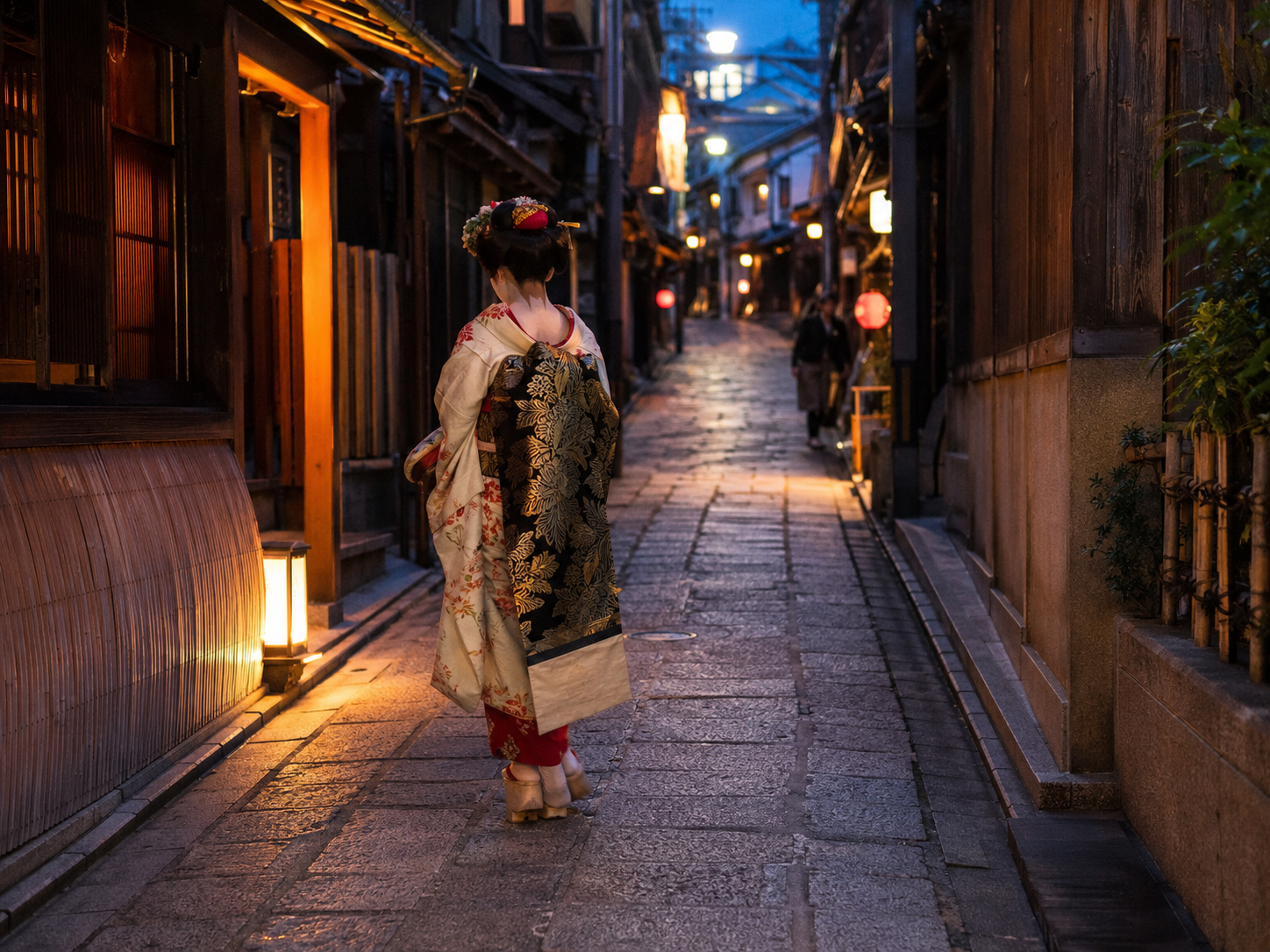
@japantovisit / Geisha Spotting on the Streets
Finally, the classic: catching a glimpse of a geisha on her way to an evening appointment. Your best odds around dusk are:
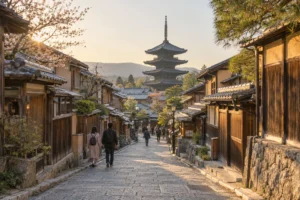
- Kannon-ura Street, in the backstreets behind Sensō-ji, Asakusa
- The cobbled alleys of Kagurazaka
- Kenban-dōri in Mukojima
Treat it like spotting a shooting star — rare, brief, and not guaranteed. Etiquette matters: these are working professionals heading to appointments. Don’t block their path, chase them, or shove a camera in their face. Admire, step aside, and let them pass.
Cost: Free · Best for: Atmosphere hunters — and even without a sighting, both neighborhoods are beautiful evening walks.
Tokyo vs. Kyoto: Which Is Better for Seeing Geisha?
Kyoto’s Gion is the famous heartland, and street sightings are more common there. But Tokyo holds two real advantages: the free scheduled performances in Asakusa (Kyoto has no regular free equivalent), and bookable experiences that welcome first-time foreign guests — historically much harder in Kyoto’s more closed system. If Tokyo is already on your itinerary, you don’t need to add Kyoto just for geisha.
Frequently Asked Questions
Where can I see geisha in Tokyo for free? The Asakusa Culture Tourist Information Center hosts free 30-minute geisha performances on selected Saturdays (1:00 p.m. and 2:30 p.m.). Festival appearances — like the Kagurazaka Street Stage Ōedo Tour in May — are also free, and street spotting in Asakusa, Kagurazaka, or Mukojima costs nothing.
Are there real geisha in Tokyo? Yes. Tokyo has six active geisha districts — Asakusa, Kagurazaka, Shinbashi, Mukojima, Akasaka, and Yoshicho — where geisha still train and perform. Junior geisha in Tokyo are called hangyoku (Kyoto’s equivalent is the maiko).
How much does a geisha experience in Tokyo cost? Anywhere from free (public shows and festivals) to ¥3,000 for Azuma Odori theater tickets, ~¥5,000 for a dinner show, and considerably more for a private ozashiki with a kaiseki meal.
Can foreigners book a geisha dinner in Tokyo? Yes — this has changed a lot. Districts like Asakusa and Kagurazaka now offer ozashiki experiences bookable by international visitors, often with interpreters. The old “no first-time guests” rule has softened for these traveler-friendly venues.
Is it OK to photograph geisha on the street? Be respectful: don’t block, follow, or touch them, and don’t demand photos. At organized shows and dinner experiences, photo opportunities are usually built in — save your camera for those.
Plan Your Geisha Evening
So, where to see geisha in Tokyo? Start free at the Asakusa Culture Center, time your trip around the Azuma Odori or a festival if you can, and — if the budget allows — treat yourself to one private ozashiki evening. Few experiences in Japan come closer to stepping into another century.
Keep planning on japantovisit.com:
- 🗼 The Perfect 5-Day Tokyo Itinerary
- 🎆 Tokyo Festivals July 2026: 8 Summer Matsuri
- ⛩️ Asakusa & Sensō-ji: Complete Visitor Guide
- 🏨 Where to Stay in Tokyo: Best Areas for Visitors
Schedules, prices, and venues can change — confirm performance dates with the venue or the Asakusa Culture Center before you go.