Japan Onsen Guide: Hot Springs 101
Japan is a land of contrasts—bustling neon cities, ancient temples, and serene natural landscapes. But few experiences capture the soul of this country quite like soaking in a natural hot spring. If you’re planning a trip, this Japan Onsen Guide is your essential companion to understanding and enjoying one of Japan’s most cherished traditions.
This comprehensive guide will walk you through everything you need to know about onsen japan, hot springs japan culture, from etiquette to the best regions to visit. Whether you’re seeking relaxation, health benefits, or a cultural immersion, the healing waters of Japan’s onsen await.
Overview & Location: Where to Find Japan’s Healing Waters
Japan is home to over 3,000 onsen resorts, spread across the length of its volcanic archipelago. These hot springs are not just places to bathe; they are deeply woven into Japanese culture and history. The mineral-rich waters are believed to have therapeutic properties, and the tradition of communal bathing dates back centuries.
You can find onsen in almost every corner of Japan, but the highest concentration and most renowned spots are typically found in mountainous regions and along the coast. Key areas include:
- Hakone: Just outside Tokyo, famous for its views of Mt. Fuji and traditional ryokan inns.
- Kyushu: Home to many “hidden” onsen, particularly in the Yakushima and Ibusuki regions.
- Tohoku: Northern Japan offers remote, scenic onsen like Nyuto Onsen and Zao Onsen.
- Hokkaido: Famous for its snowy landscapes and outdoor rotenburo (open-air baths), especially in Noboribetsu and Jozankei.
The atmosphere varies dramatically from region to region. A bustling resort town like Beppu offers a variety of public baths, while a secluded mountain village like Kurokawa Onsen provides a tranquil, traditional escape. Understanding the regional differences is key to choosing the right onsen experience for your travel style.
Best Time to Visit
The beauty of onsen is that they can be enjoyed year-round, but each season offers a distinct experience.
- Spring (March–May): Ideal for cherry blossom viewing (hanami) and mild weather. Onsen towns like Kinosaki and Atami are particularly beautiful during this season.
- Summer (June–August): While it can be hot and humid, summer is perfect for visiting coastal onsen or high-mountain springs. It’s also festival season across Japan.
- Autumn (September–November): Arguably the best season for onsen. The cool air and stunning autumn foliage (koyo) create a breathtaking backdrop for outdoor baths. Popular spots like Hakone and Kurokawa Onsen are at their most picturesque.
- Winter (December–February): The ultimate magical experience. Soaking in a steaming outdoor bath while surrounded by snow is unforgettable. Hokkaido and the Japanese Alps are prime destinations for a winter onsen trip. Just be mindful of heavy snowfall affecting travel.
Crowds: Summer and holiday periods (Golden Week, New Year) are the busiest. For fewer crowds, consider shoulder seasons (late autumn or early spring) or visiting on weekdays.
Things to Do / Travel Guide
Beyond just soaking, a trip to an onsen town involves embracing a slower pace of life. Here’s what to expect and how to make the most of your visit.
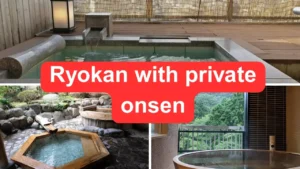
Your first step is usually checking into a ryokan (traditional inn). Many onsen resorts are centered around these inns, which offer private or communal baths. After settling in, the main activity is, of course, bathing. The ritual is important:
1. Wash thoroughly at the washing stations before entering the bath. Soap and shampoo are always provided.
2. No swimsuits allowed. This is a clothing-optional experience, though small towels are used for modesty (keep them out of the water).
3. Relax and soak. Stay for 10-15 minutes at a time, then take a break to cool down.
When following this Japan Onsen Guide, you’ll discover that many onsen towns have a “Three Bath Tour” tradition, where visitors buy a pass to visit multiple public baths in the area. This is a fantastic way to sample different waters and atmospheres.
Practical Tips:
- Tattoos: Historically, tattoos were banned due to associations with the Yakuza. While many onsen now allow small tattoos (or provide sticker cover-ups), it’s always best to check the policy beforehand. Private onsen or renting a private bath is a great alternative.
- Cost: A day pass for a public onsen typically costs between ¥500 and ¥1,500. Staying at a ryokan with meals can range from ¥15,000 to ¥50,000+ per person per night.
- Etiquette: Be quiet and respectful. Never submerge your head underwater, and avoid swimming. Stay hydrated!
Transportation & Access
Most onsen towns are accessible via Japan’s efficient train system, though some remote locations may require a bus or rental car.
- From Tokyo: Hakone is a popular day trip (approx. 1.5 hours via Odakyu Romancecar or Shinkansen to Odawara). For further destinations like Kurokawa Onsen, take the Shinkansen to Kumamoto (approx. 5 hours) followed by a local bus.
- From Osaka/Kyoto: The Kinosaki Onsen region is easily reachable (approx. 2.5 hours by train). For Beppu in Kyushu, fly from Osaka (1 hour) or take the Shinkansen (approx. 4 hours).
- Local Transport: Once in an onsen town, many offer free shuttle buses between major ryokan and train stations. Walking is also a pleasant way to explore these compact towns.
First-Time Visitor Tip: Purchase a Japan Rail Pass if you plan to visit multiple regions. It covers most Shinkansen lines and is cost-effective for long-distance travel. For local travel, consider IC cards like Suica or Pasmo for convenience.
Practical Travel Tips
- Safety: Japan is one of the safest countries in the world. Onsen towns are particularly secure and welcoming to tourists.
- Money: While credit cards are becoming more common, many ryokan and small shops still prefer cash. Always carry some yen.
- What to Bring: Most ryokan provide yukata (light cotton kimono), towels, and toiletries. Pack light, comfortable clothing for outside the ryokan and a small towel for the bath.
- Health Benefits: The mineral content varies by location (sulfur, iron, etc.) and is said to help with skin conditions, muscle pain, and circulation. However, consult a doctor if you have heart conditions or are pregnant.
Common Mistakes to Avoid
1. Not Checking Tattoo Policies: As mentioned, this is the biggest hurdle for many international travelers. Always verify beforehand.
2. Rushing the Experience: Onsen culture is about relaxation. Don’t treat it like a quick shower. Take your time, enjoy the pace, and embrace the silence.
3. Using Your Towel in the Water: Your small towel is for drying and modesty. Keep it on your head or on the side of the bath—never let it soak in the communal water.
4. Ignoring Local Customs: In small towns, be respectful of quiet hours and local etiquette. A simple nod or “konnichiwa” goes a long way.
Conclusion
A visit to a Japanese onsen is more than just a bath; it’s a journey into the heart of Japanese culture, nature, and self-care. From the snowy landscapes of Hokkaido to the volcanic sands of Kyushu, there is an onsen experience perfect for every traveler.
By understanding the etiquette, knowing where to go, and embracing the local culture, you can ensure your first onsen experience is both relaxing and unforgettable. We hope this Japan Onsen Guide has inspired you to dip your toes into the world of onsen japan, hot springs japan. Make sure to include this magical experience in your next itinerary—you won’t regret it.
FAQs
Q: What should I wear in an onsen?
A: Nothing but a small towel for modesty. All onsen provide changing rooms and washing areas. Swimsuits are never worn.
Q: Are there onsen suitable for families with children?
A: Yes, many onsen welcome families. However, some adult-only ryokan exist. Always check the age policy, and note that young children must be supervised at all times.
Q: Can I visit an onsen as a day trip without staying overnight?
A: Absolutely! Most public onsen (sento) and many ryokan offer day-use passes. This is a great way to experience onsen culture without committing to a full night’s stay.
Q: How do I book a ryokan with an onsen?
A: You can book directly through Japanese sites (like Rakuten Travel), international platforms (Booking.com, Agoda), or contact the ryokan directly. Book well in advance, especially during peak seasons.
Q: Is it safe to drink the onsen water?
A: No, you should not drink onsen water. The mineral content is intended for external use only. Drink plenty of fresh water before and after your soak to stay hydrated.