2026 foliage forecast · Updated October 5
A November trip to Japan can take you from yellow city avenues to deep red temple gardens—but those colors rarely peak on the same day. The second 2026 forecast is out, and it gives us a better way to plan than simply circling one “autumn leaves” date on a calendar.
Forecast issued October 1, 2026; checked October 5, 2026. All dates below are Japan local dates. The next forecast is expected in early November.
At a glance: Japan Meteorological Corporation (JMC) estimates peak yellow ginkgo in Tokyo around November 26 and red maple around November 28. Osaka’s red maple estimate is December 4; Kyoto’s is December 11. These are city reference dates, not promises for every park or temple.
Japan fall foliage forecast 2026: city dates
The October 1 update separates red maple from yellow ginkgo. This is particularly useful for Kyoto: its city ginkgo date falls about two weeks before its maple date. Pick the row for the place and color you actually want to see.
| City | Yellow ginkgo | Red maple | What to know |
|---|---|---|---|
| Sapporo | Nov 3 | Nov 4 | High Hokkaido mountains color much earlier. |
| Aomori | Nov 5 | Nov 13 | Use separate reports for mountain gorges. |
| Sendai | Nov 29 | Nov 24 | The two colors reverse their usual order here. |
| Nagano | Nov 14 | Nov 21 | City figures are not an Alps forecast. |
| Kanazawa | Nov 10 | Nov 30 | A long gap between its two reference trees. |
| Tokyo | Nov 26 | Nov 28 | Late November is the city starting point. |
| Nagoya | Nov 17 | Dec 2 | Choose your tree type before booking. |
| Kyoto | Nov 27 | Dec 11 | Temple maples can differ from the city tree. |
| Osaka | Nov 24 | Dec 4 | Minoh is outside the city reference point. |
| Hiroshima | Nov 21 | Nov 28 | A good late-November city stop. |
| Fukuoka | Nov 28 | Dec 7 | Red color extends the trip into December. |
Source: JMC’s second 2026 forecast, released October 1. Dates are estimates for representative city trees. The table’s travel notes are our interpretation, not additional site-specific forecasts.
What the forecast means—and what it doesn’t
JMC’s date is an estimate of the first day on which most leaves of a reference tree have changed color. It does not mean every tree in Tokyo or Kyoto will be at its best that morning. A shaded garden, sunny riverside and mountain trail can all look different during the same week.
In its October outlook, JMC expects red foliage broadly near average across northern, eastern and western Japan. Yellow foliage is generally near average or somewhat later in northern and eastern Japan. Some individual cities still sit several days beyond their own long-term dates: Kyoto’s December 11 red-maple estimate is six days later than its average, while Tokyo’s November 28 red estimate matches its average.
There is also a geographic trap in the Sapporo row. The city maple estimate is November 4, but the high ground in Hokkaido begins its color season much earlier. For an October mountain trip, use a forecast for that mountain and its elevation rather than Sapporo’s urban date. JMC publishes estimates for roughly 700 viewing spots and 3,000 mountains; its location-level foliage navigator is the place to check a specific target.
Where to see the leaves, from early color to late maples
Hokkaido and the high mountains: an earlier autumn
If you land in September or October, look up rather than waiting for a city avenue to turn. Daisetsuzan National Park is a classic early-season choice, while mountain areas elsewhere follow their own altitude-dependent schedule. Autumn weather and access at elevation can change quickly, so check trail and ropeway notices before setting off. JNTO’s foliage destinations are useful for choosing a region; use current local reports for the exact day.
Tohoku and Nagano: plan by valley or trail
Naruko Gorge in Tohoku and the mountain areas around Nagano reward a slower itinerary. A city date in the table does not describe a gorge or summit. If your trip is in October or early November, settle on a specific site first and check its latest color and transport conditions. That small step is more useful than a broad “Tohoku peak week.”
Tokyo: yellow avenues, then red gardens
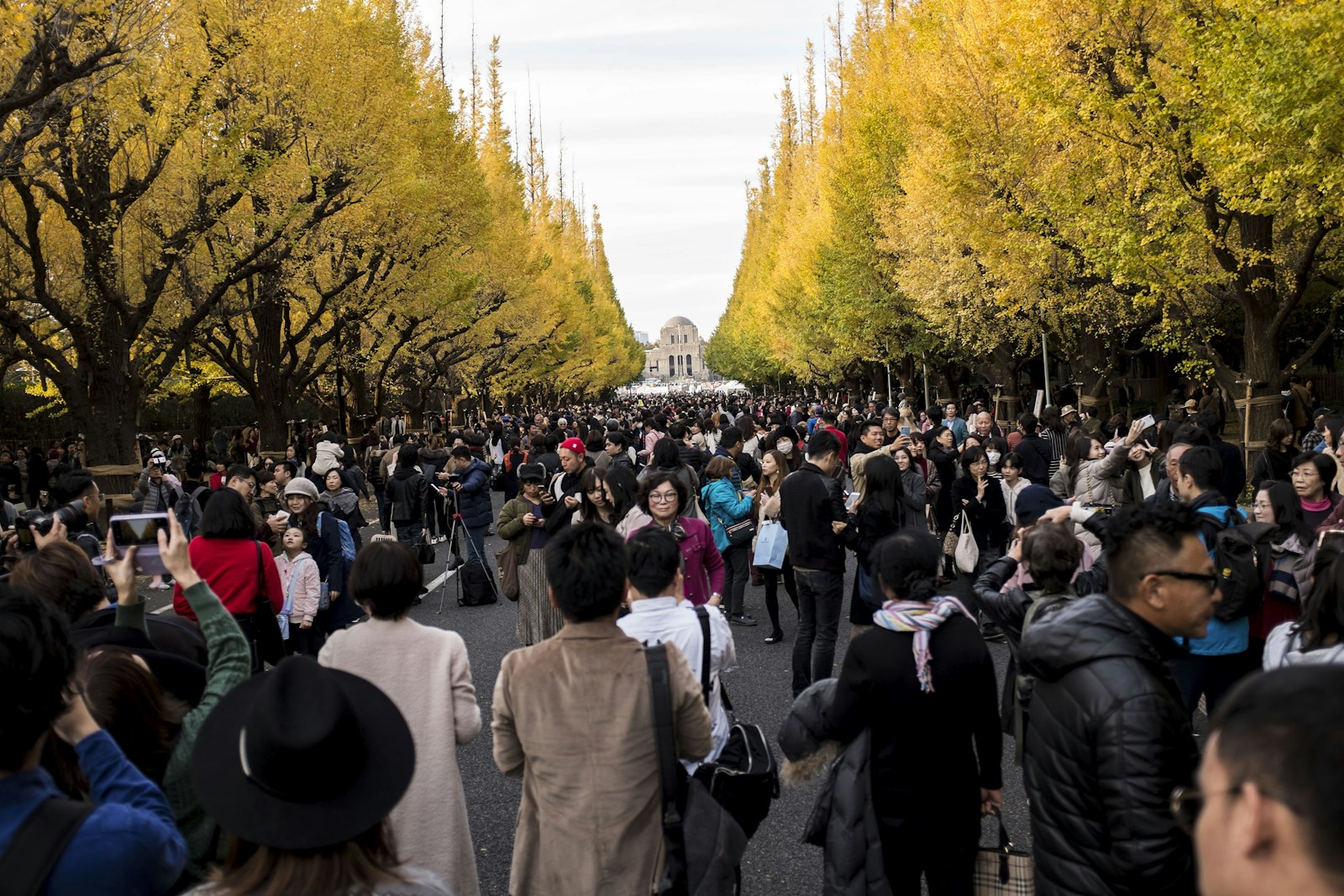
For ginkgo, consider Meiji Jingu Gaien’s Icho Namiki; for maples, try Rikugien or Koishikawa Korakuen. The city estimates of November 26 and 28 put late November at the center of a Tokyo foliage plan, but visit the GO TOKYO foliage guide and each garden’s own page before you travel. If one spot is still green, a different tree species or a sheltered garden can give you another option.
Kyoto and Osaka: do not treat Kansai as one date
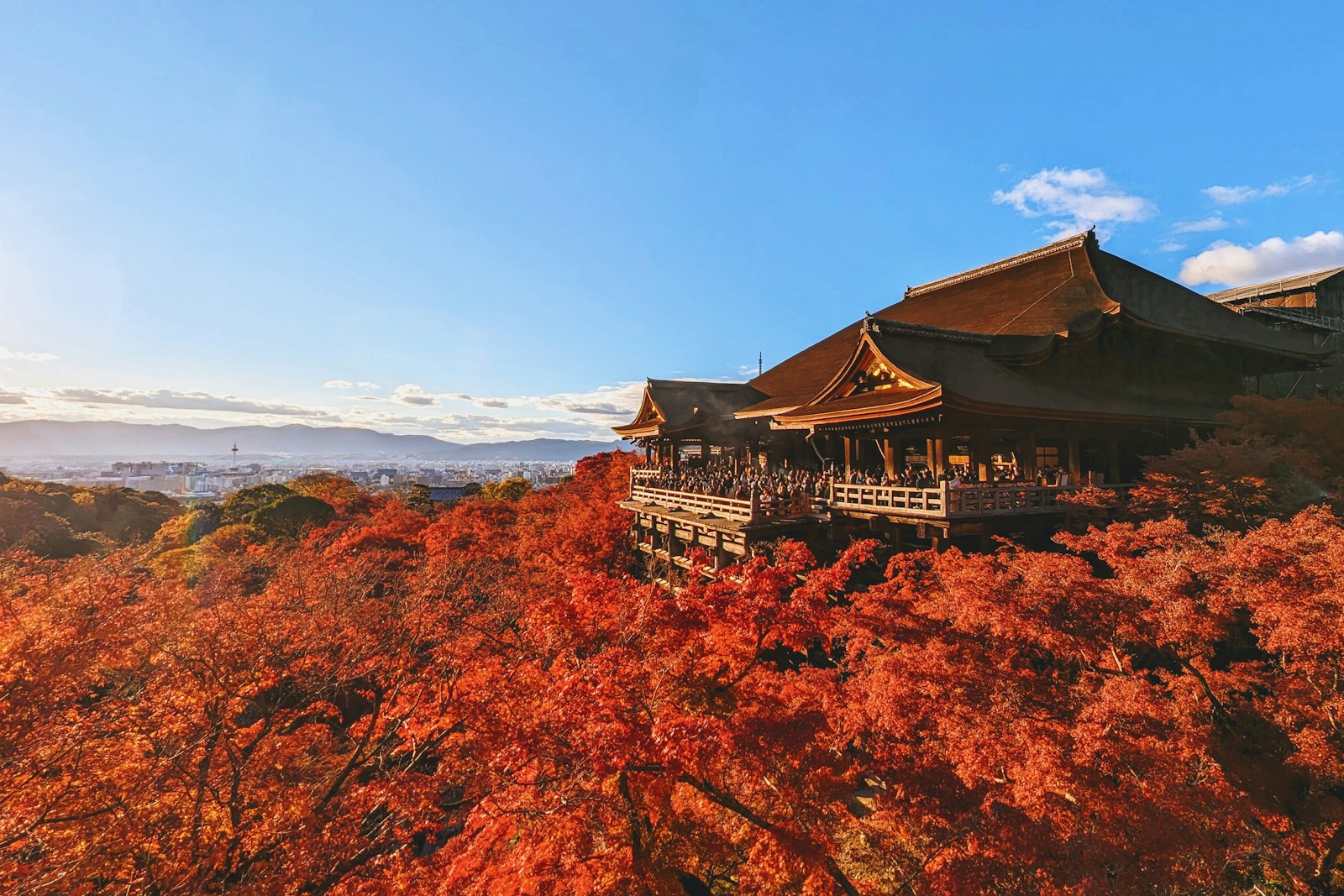
Kyoto’s November 27 ginkgo estimate and December 11 maple estimate tell two different stories. For red leaves around temple gardens, put early December on your shortlist, then look at individual conditions at places such as Tofuku-ji, Eikando and Arashiyama. A temple may be ahead of or behind the city tree. Seasonal opening hours and evening illuminations can also change; consult Kyoto City’s official visitor guidance before committing to a specific evening.
Osaka’s city maples are estimated for December 4. Minoh Park is a popular nature outing, but its waterfall and wooded valley are a separate setting from the city reference tree. Check the official Minoh visitor information and local conditions if the trip is mainly for the leaves.
Which weeks should you choose?
October: Build around Hokkaido, Tohoku or high ground, and check a named trail or park. Do not book a Tokyo–Kyoto city trip expecting their peak maple color in October.
Late November: Tokyo’s ginkgo and maple estimates nearly overlap. Kyoto and Osaka ginkgo also fall in late November, so a route heading west can follow golden city streets even if Kyoto’s red maples are still developing.
Early to mid-December: Osaka’s December 4 and Kyoto’s December 11 red-maple estimates favor this period for a Kansai-focused trip. You may catch an earlier temple on a different day; keep two Kyoto sightseeing days flexible if autumn color is the main reason for going.
If you are combining Tokyo and Kyoto, our Tokyo-to-Kyoto transport guide helps with the transfer, while the Suica guide covers local travel. Check current train details when you book.
Small planning details that matter
- Choose the color first. Yellow ginkgo avenues and red maple gardens may be more than a week apart, especially in Kyoto, Nagoya and Kanazawa.
- Keep a weather day free. A clear morning after a rainy day can be worth moving a garden visit; wind and heavy rain can also shorten a display.
- Check the venue, not just the city. City forecasts guide a booking; a park’s recent photos, status report and opening hours guide the actual visit.
- Expect crowds at famous temples. Go early or choose a less central garden when the popular viewpoints feel too busy. Follow posted paths and photo rules.
- Pack for the place. Tokyo streets, Kyoto evenings and a mountain ropeway need different layers. Confirm access and conditions for higher trails.
Frequently asked questions
When will autumn leaves peak in Tokyo in 2026?
JMC’s October 1 forecast estimates November 26 for yellow ginkgo and November 28 for red maple in its Tokyo city reference. A particular avenue or garden can have a different best day.
Is late November too early for Kyoto?
It may be good timing for yellow ginkgo: Kyoto’s city estimate is November 27. The red-maple city estimate is December 11, so travelers mainly after temple maples should also consider early December and check the individual sites.
Can I see autumn leaves in October?
Yes, in northern and higher areas. October is too early for the city maple estimates in Tokyo and Kyoto, but Japan’s foliage season moves through mountains, valleys and cities at different times.
Will these dates change?
They can. This is JMC’s second forecast, released October 1; its next edition is planned for early November. Actual color also depends on local weather and the trees at your chosen spot.
Forecast dates and methodology: Japan Meteorological Corporation, second 2026 autumn foliage forecast (October 1). Destination guidance: Japan National Tourism Organization, GO TOKYO, Kyoto City Official Travel Guide and Osaka tourism. Checked October 5, 2026. This article will be revisited after the next forecast.




3 thoughts on “Japan Autumn Leaves 2026: A Traveler’s Guide to the October Forecast”