Updated September 2026 · Plan with current venue information before you go
Tokyo rewards curiosity. One morning can begin at a centuries-old temple, continue through a neighborhood market and end above a sea of lights. This 2026 guide gathers 18 genuinely worthwhile things to do in Tokyo, then shows you how to combine them into days that make sense on the map.
First trip? Start with Asakusa, Shibuya and Meiji Jingu. Returning? Give yourself time for Yanaka, Kiyosumi Shirakawa or a long Tokyo Bay evening. You do not need to see every landmark to have an excellent trip.
Quick answer: For a first visit, allow at least three full days. Spend one in eastern Tokyo, one around Harajuku, Shibuya and Shinjuku, then choose a food-and-art or waterfront day. Book Ghibli Museum, popular teamLab slots and a sunset Shibuya Sky visit ahead of time.
Choose the right Tokyo day
Tokyo is easier when you group nearby areas. These four routes are starting points, not a checklist: keep one unplanned hour for the side street, café or small shop that catches your eye.
Asakusa → Sumida riverside → Ueno or Yanaka. Temples, lanes and museums.
Meiji Jingu → Harajuku → Shibuya → Shinjuku. Big contrasts, short hops.
Tsukiji → Ginza → one immersive art venue. Choose Borderless or Planets.
Kiyosumi Shirakawa, Kichijoji or Odaiba. Pick one and stay awhile.
Eastern Tokyo: temples, parks and old streets
Five memorable stops
1. Walk through Sensoji and the lanes of Asakusa
Pass Kaminarimon, browse Nakamise and continue into the Sensoji temple grounds. The main approach is lively; the smaller streets around it reveal craft shops, old-fashioned cafés and quieter views. Come early if you want space to appreciate the architecture, then return after dark for a very different atmosphere. The surrounding streets and temple approach are free to explore.
Allow: 1½–3 hours · Nearest area: Asakusa Station · Pair with: the Sumida River
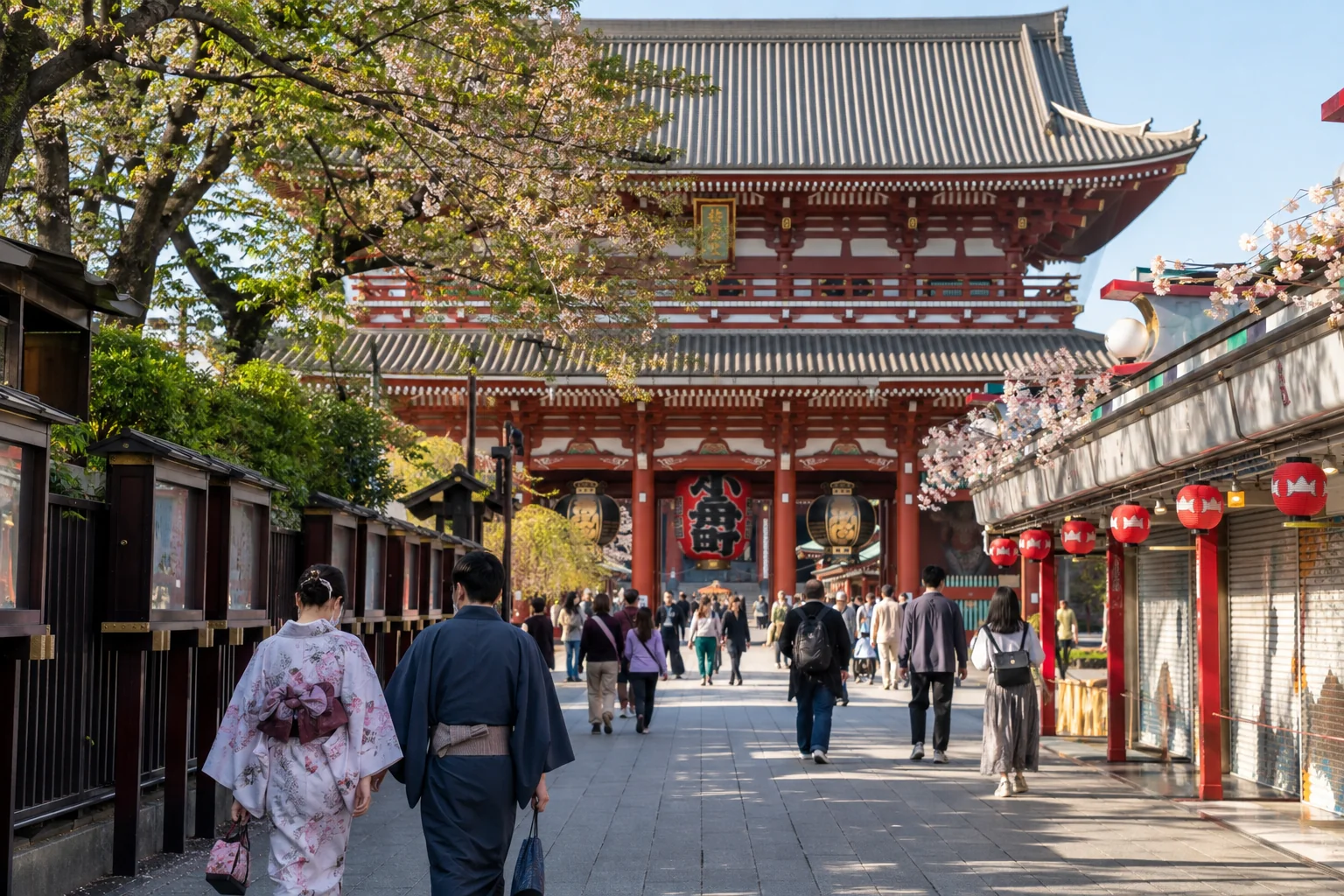
For orientation and access, use the official Tokyo guide to Asakusa.
2. Cross the Sumida River toward Tokyo Skytree
After Asakusa, walk along the river for open views and a calmer pace. The route toward Tokyo Mizumachi and Tokyo Skytree Town makes a satisfying half-day combination. You can enjoy the landmark from the ground for free; the observation decks are a separate paid experience. Check visibility before committing to a high-up view.
Allow: 1–3 hours depending on the deck · Best for: skyline views and an easy Asakusa add-on
3. Spend a flexible morning in Ueno Park and Ameyoko
Ueno Park is a rare place where you can decide your day as you go: follow a shaded path, pause by Shinobazu Pond or choose a museum. The Tokyo National Museum is particularly rewarding if you want historical context for the rest of your trip. Ameyoko, near the rail tracks, changes the mood with food stalls and crowded shopping lanes. Museum admission varies; walking in the park is free.
Allow: 2 hours for a stroll, half a day with a museum · Pair with: Asakusa or Yanaka
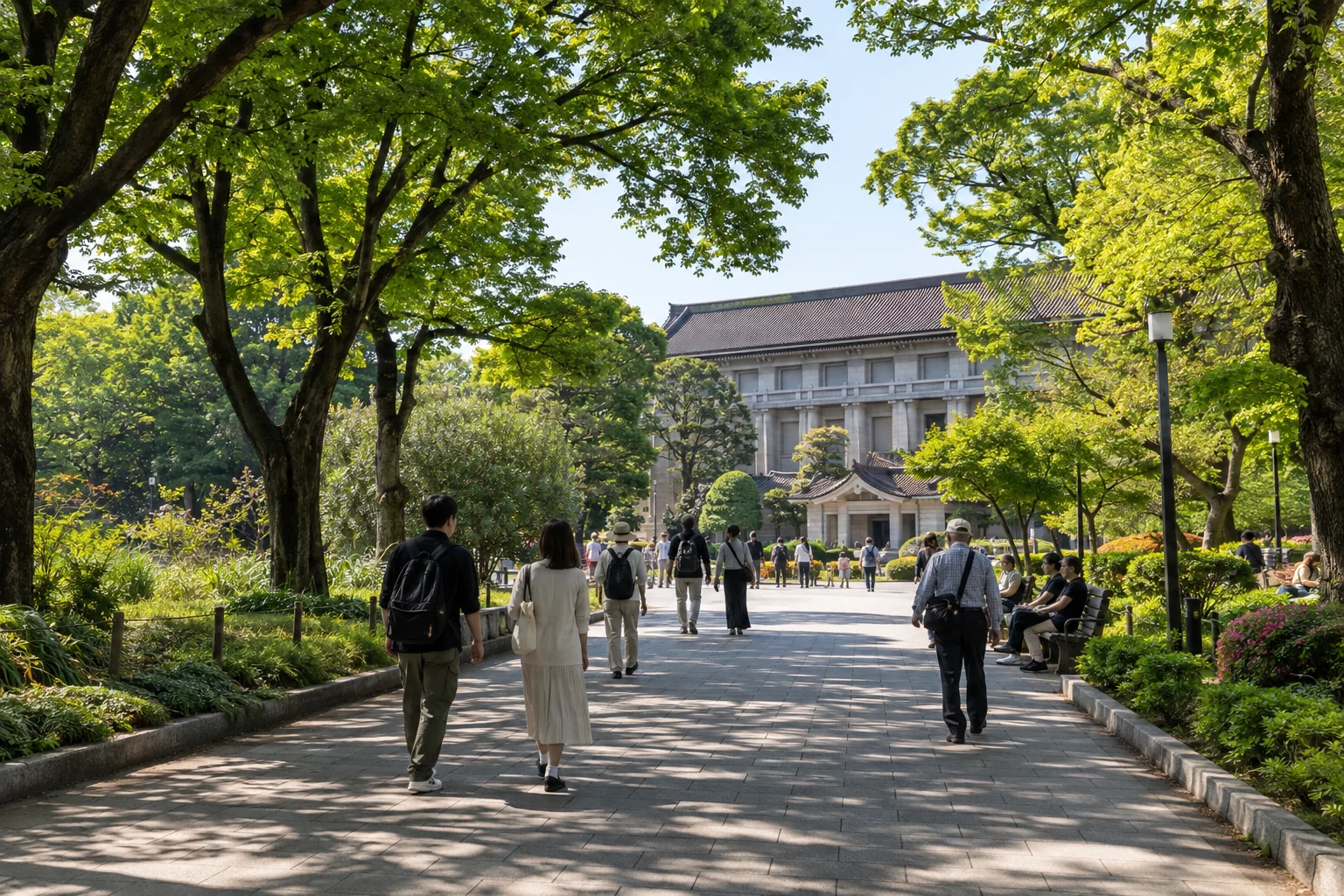
See GO TOKYO’s Ueno neighborhood guide for museum and access details.
4. Slow down in Yanaka and Nezu
Yanaka Ginza’s modest shopping street and the residential lanes around it offer a different rhythm from the high-rise districts. Walk respectfully through the neighborhood, browse small shops and continue toward Nezu if you have the energy. This is best as an unhurried afternoon, not a destination to rush through for one photograph.
Allow: 2–3 hours · Best for: local streets, small stores and a slower Tokyo
5. Explore Ryogoku’s sumo history
Ryogoku is the neighborhood most closely associated with professional sumo. If your visit coincides with a Tokyo tournament, check the Japan Sumo Association’s official schedule and tickets before building a day around it. At other times, explore the area and try a chanko-nabe meal. Practice viewing depends on a stable’s own rules and should be arranged in advance rather than assumed.
Allow: 1–2 hours for the district, longer for an event · Pair with: Asakusa
Western Tokyo: shrines, style and city lights
Five contrasts in one side of the city
6. Watch Shibuya Crossing, then see the city from Shibuya Sky
Shibuya Crossing is fun for a few minutes; the neighborhood is worth much longer. Let the signal change, walk a few surrounding streets and choose a viewpoint. Shibuya Sky has a 360-degree rooftop perspective above the district. Sunset entry is popular and can sell out, and the outdoor deck may close for weather, so check the official ticket page before you go. If the rooftop is full, Shibuya itself still makes a strong evening.
Allow: 2–4 hours · Book: Shibuya Sky if a specific time matters
Our Shibuya neighborhood guide has more ideas for the area.
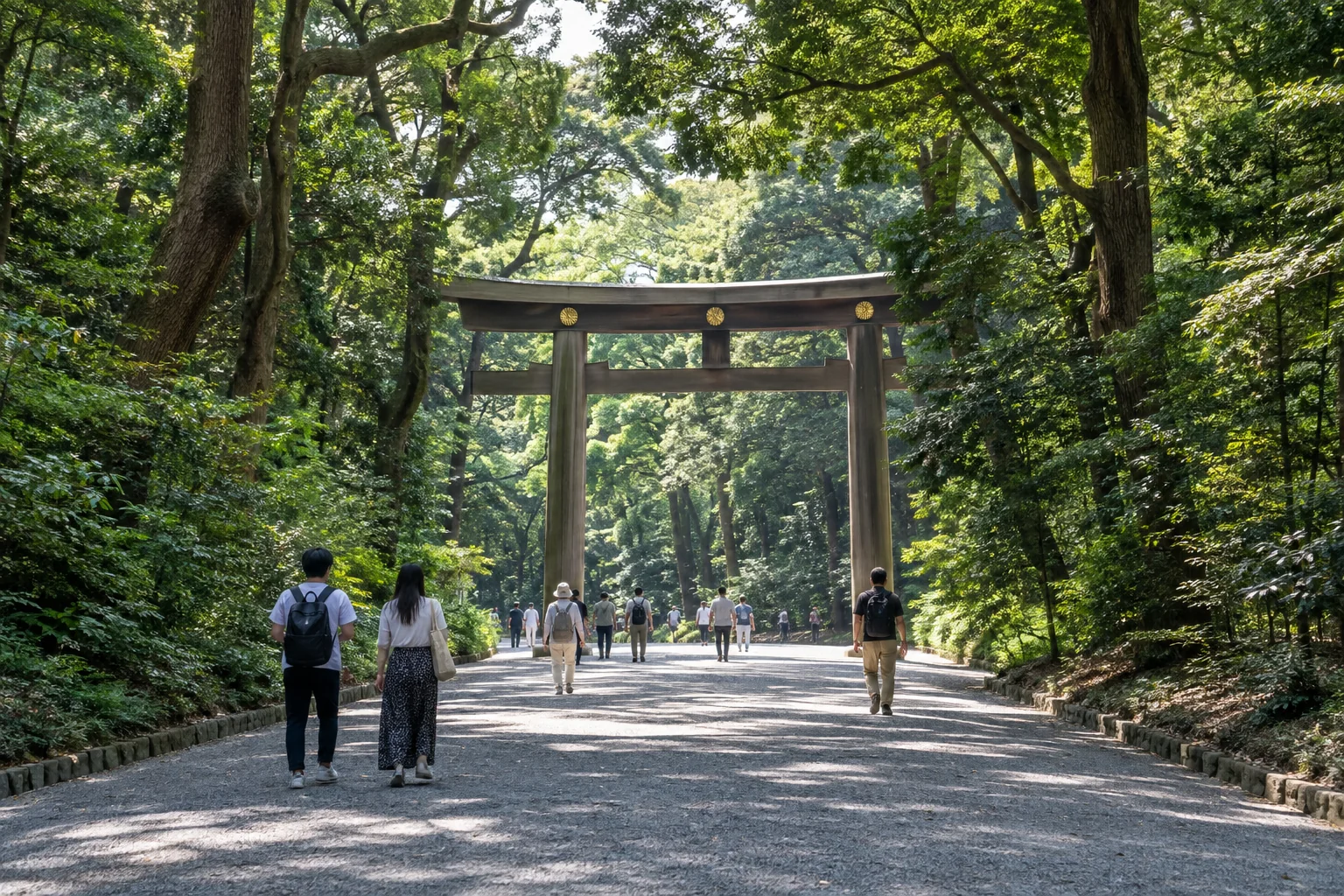
7. Start quietly at Meiji Jingu, then explore Harajuku
The forested approach to Meiji Jingu makes the city feel far away even though Harajuku Station is close. Walk through the grounds, observe posted etiquette and leave room for a slower detour around Omotesando. Takeshita Street is vivid and often crowded; you can choose it for pop culture, or take the side streets for cafés and boutiques instead.
Allow: 2–4 hours · Best sequence: shrine in the morning, shopping afterward
8. Take a breather in Shinjuku Gyoen
Shinjuku Gyoen is a spacious garden near one of Tokyo’s busiest stations. It works especially well between sightseeing and dinner: walk without an agenda and give your feet a break. Admission, opening days and garden rules can vary by season, so consult the official garden information before visiting.
Allow: 1–2 hours · Best for: a restful break and seasonal color
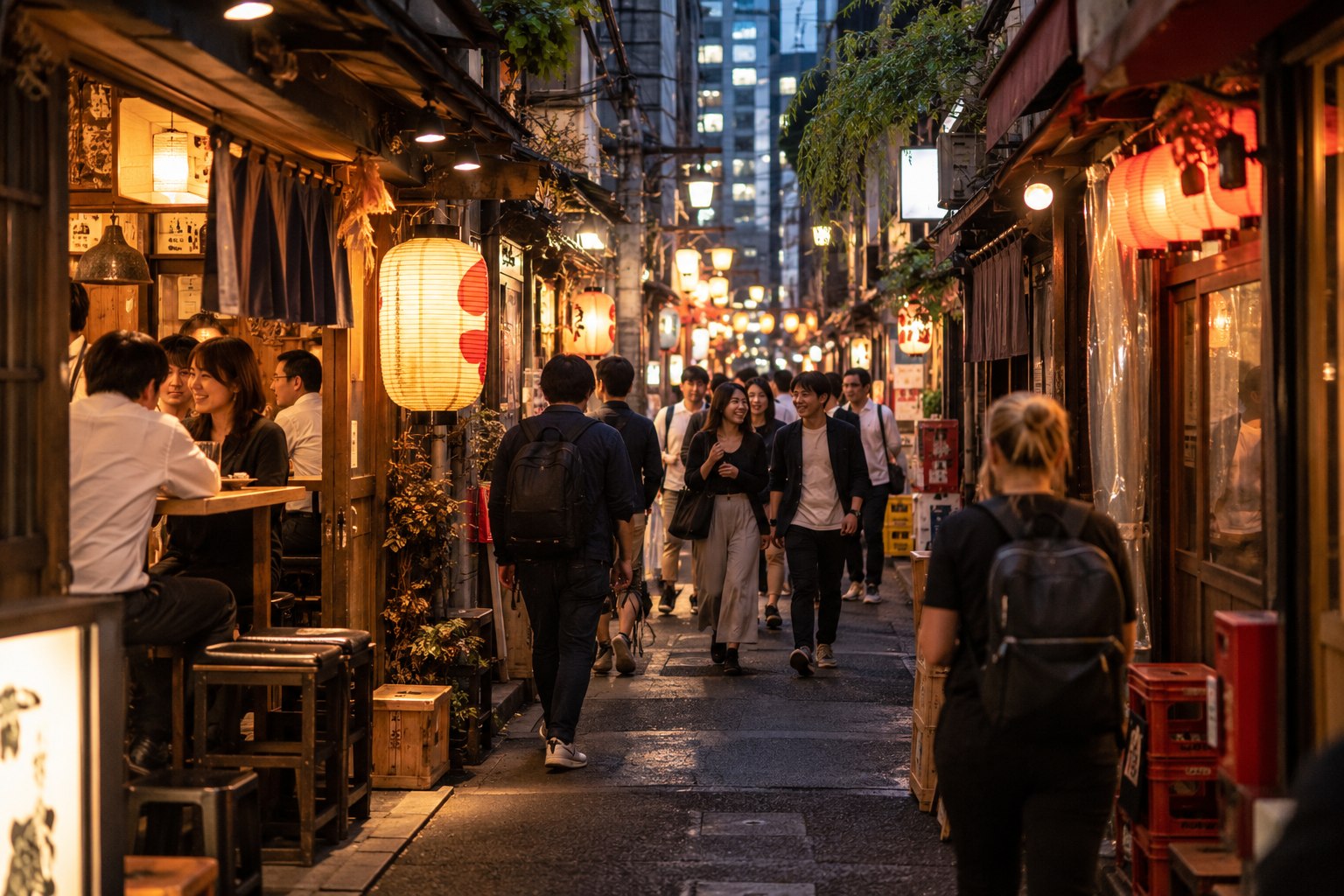
9. Eat your way through Shinjuku after dark
Shinjuku’s appeal is in its layers: bright avenues, department-store food halls and compact restaurant lanes. Choose a place with a visible menu and clear prices, then wander at your own pace. Some tiny bars charge a seating fee, so ask before ordering if the sign is unclear. The station is enormous; save your chosen exit or restaurant location before you leave.
Allow: an evening · Best for: dinner and a city-lights walk
10. Browse vintage shops in Shimokitazawa
Shimokitazawa is a good antidote to landmark fatigue. Its compact lanes are known for vintage clothing, independent shops, music venues and cafés. Arrive later in the day rather than expecting every small shop to open early. It pairs naturally with a western Tokyo day, but give it a few hours rather than squeezing it between major attractions.
Allow: 2–3 hours · Best for: secondhand shopping and an easygoing afternoon
Food, art and central Tokyo
Four ways to make a day your own
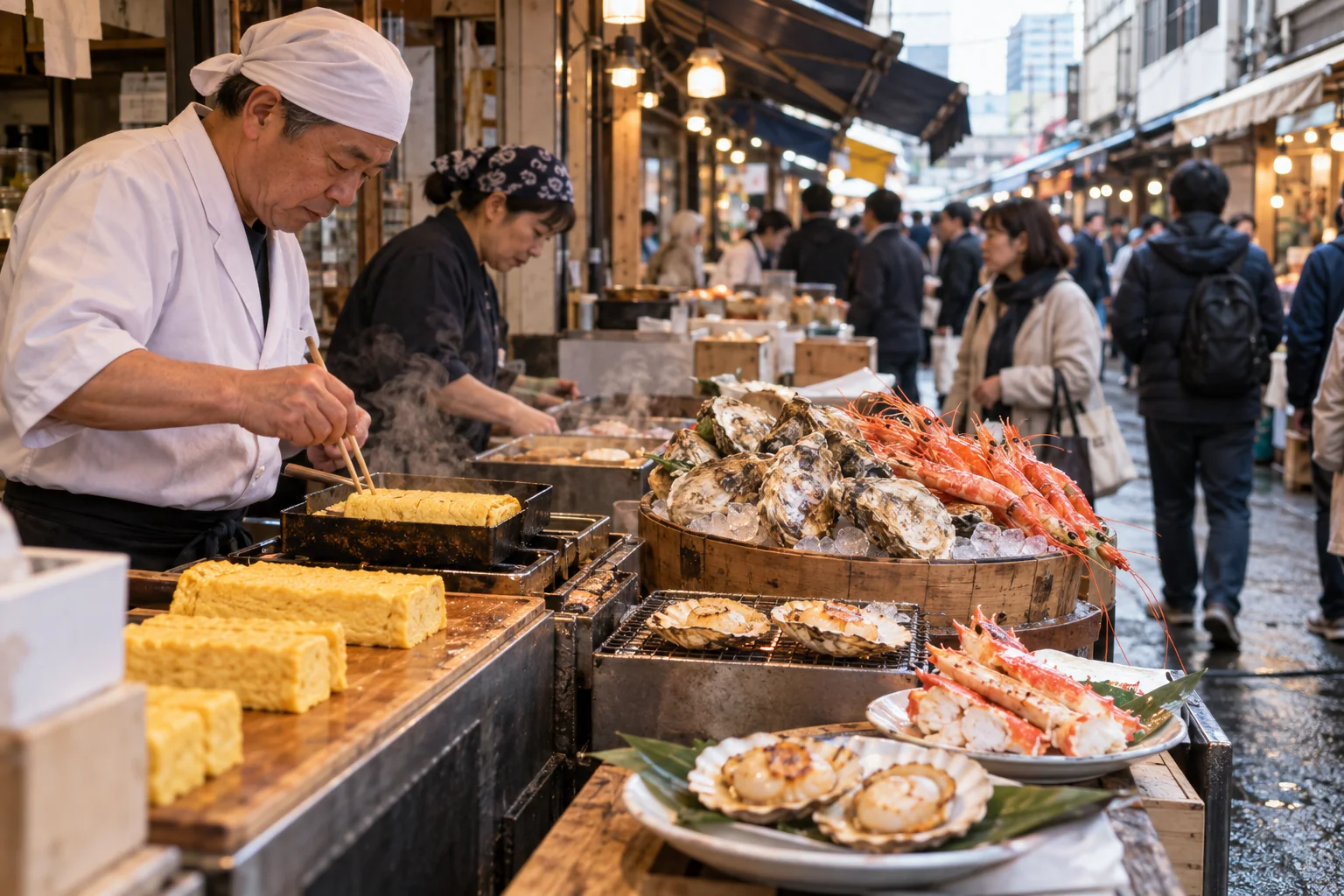
11. Eat breakfast around Tsukiji Outer Market
Tsukiji’s outer market still has shops and places to eat, even though the wholesale fish auction moved to Toyosu. Come hungry, but treat it as a working market: keep walkways clear, follow photography signs and eat where a vendor permits it. Check the official Tsukiji Outer Market site for current opening information; individual businesses have their own schedules.
Allow: 1–2 hours · Pair with: Ginza or Hamarikyu Gardens
12. Walk from Ginza to the Tokyo Station area
Ginza’s polished avenues, department stores and galleries make a useful contrast with Tsukiji. If shopping is not your priority, browse a food hall or gallery and continue toward the Marunouchi side of Tokyo Station. The red-brick station building and nearby streets are especially appealing after dusk. This is also a practical rainy-day route, with plenty of indoor stops.
Allow: 2–3 hours · Best for: architecture, food halls and city walks
13. Choose one teamLab experience
teamLab Borderless is at Azabudai Hills; teamLab Planets is in Toyosu and includes a water-based route. They are different visits in different parts of town. Check the current exhibition, access advice and timed tickets on the official pages, then build the rest of your day around your choice. Planets may require you to go barefoot and follow clothing guidance for some spaces.
Allow: 2–3 hours plus travel · Book: a timed entry on the official site
14. Make Toyosu a food-and-waterfront stop
Toyosu is the site of the wholesale market, and the nearby Senkyaku Banrai complex offers dining and shopping. The wholesale auction viewing experience has its own access arrangements, so verify them if that is your reason for going. Toyosu works well with teamLab Planets and a later Odaiba visit; it is not the same place as Tsukiji Outer Market.
Allow: 1–2 hours for a casual stop · Pair with: teamLab Planets
Tokyo Bay and neighborhoods worth the detour
Four more experiences
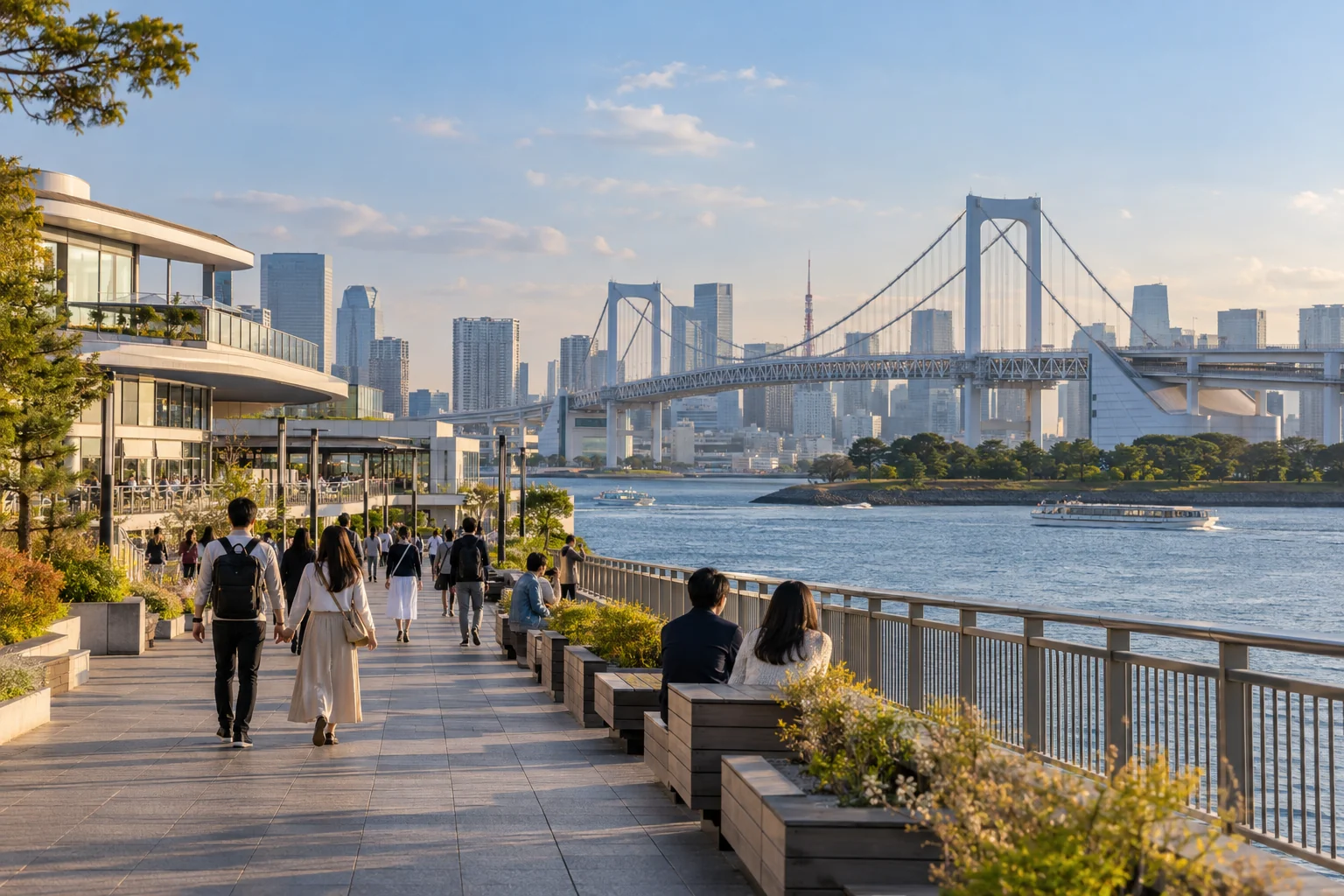
15. Watch the evening light from Odaiba
Odaiba is best enjoyed without a frantic schedule. Walk the waterfront, look back toward the Rainbow Bridge and skyline, then choose a shopping or entertainment stop if you want one. It is farther from the classic central routes, so give it a half day or combine it with Toyosu. The official Odaiba guide lists current options and access.
Allow: 2–4 hours · Best for: waterfront views and sunset
16. Explore Akihabara beyond the main avenue
Akihabara is famous for electronics, anime, games and hobby shops, but its side streets and upper-floor stores reward a more focused visit. Pick a theme you actually enjoy, compare prices and check photography rules inside shops. It is easy to combine with Ueno or the Tokyo Station area. For more detail, see our Akihabara guide.
Allow: 2–3 hours · Best for: games, collectibles and electronics
17. Pair Kichijoji with a reserved Ghibli Museum visit
Kichijoji has the kind of neighborhood day that does not need a checklist: browse small streets, take a walk around Inokashira Park and settle into a café. If the Ghibli Museum in Mitaka is a priority, reserve first and build the day around your ticket. The museum sells advance-reservation tickets; it does not sell admission at the door. If you cannot get a ticket, Kichijoji is still a lovely outing.
Allow: half a day, longer with the museum · Book: museum ticket well ahead
18. Make time for Kiyosumi Shirakawa
This eastern neighborhood offers an understated mix of coffee shops, galleries and calm streets. It is a good choice when you have already seen the headline sights or need a gentler morning. Add Kiyosumi Gardens if it fits your route, and check its current admission and opening days before leaving. The value here is the pace, so resist stacking it with too many distant stops.
Allow: 2–3 hours · Best for: coffee, gardens and a quieter neighborhood
A realistic three-day Tokyo itinerary
These days keep travel in sensible clusters. Swap the order for weather, museum closing days and any timed tickets you secure.
Day 1 · Old Tokyo and the east
Morning: Sensoji and Asakusa before the busiest part of the day. Midday: lunch and a riverside walk toward Skytree. Afternoon: choose Ueno Park plus one museum, or Yanaka for a slower walk. Evening: dinner near your hotel or a return to illuminated Asakusa.
Day 2 · Forest to neon
Morning: Meiji Jingu. Midday: Harajuku and Omotesando. Afternoon: Shibuya’s streets and, if reserved, Shibuya Sky. Evening: Shinjuku for dinner. Skip either the viewpoint or one shopping area if you prefer a relaxed day.
Day 3 · Choose your own Tokyo
Food and art route: Tsukiji breakfast → Ginza → teamLab Borderless at Azabudai Hills. Waterfront route: teamLab Planets → Toyosu food stop → Odaiba at dusk. These are alternatives; trying to do both teamLab venues and every waterfront stop in one day turns travel into the main activity.
Have a fourth day? Choose Kichijoji and the Ghibli Museum if you have tickets, or build a flexible neighborhood day around Shimokitazawa and Kiyosumi Shirakawa. For a broader overview, see our Tokyo travel guide.
Tickets, transport, seasons and free ideas
What to reserve before your Tokyo trip
Put your fixed-time priorities on the calendar first: Ghibli Museum, your preferred teamLab venue, Shibuya Sky at a popular sunset time, and a sumo tournament if one overlaps your visit. Buy from official sites where possible. Opening hours, exhibitions, weather rules and ticket releases can change, so use the linked venue pages for the final check.
Getting around without wasting a day
Tokyo trains are efficient, but crossing the city several times eats into your visit. Save your hotel station, group nearby neighborhoods and use a rechargeable Suica or PASMO where accepted. JR, Tokyo Metro and Toei are separate operators; the best ticket depends on your actual route. Read the official IC-card overview and our 2026 Suica guide.
When to go in 2026
Spring offers blossoms but popular places fill quickly. Summer brings heat and festival atmosphere, so plan indoor breaks. Autumn is comfortable for long walks and seasonal color; winter is often good for crisp skyline views and illuminations. Exact bloom timing, event dates and weather vary. If you travel later in the year, browse our October festivals guide and autumn leaves guide.
Good Tokyo experiences that cost little
Walk Sensoji’s surrounding streets, Meiji Jingu’s forested approach, Ueno Park, the Sumida riverfront and Odaiba’s promenade. A food hall or neighborhood shopping street can be a satisfying stop without an admission ticket. Our free things to do in Tokyo guide has more ideas. Attractions within these areas may charge separately.
Practical rhythm: Schedule one fixed reservation and one main neighborhood per half-day. Keep a little open time, comfortable walking shoes and a rain option. That will make the city feel far less overwhelming.
Frequently asked questions
How many days do you need in Tokyo?
Three full days cover several major areas without constant rushing. Four or five days give you room for museums, smaller neighborhoods and a flexible day. If you have only one day, choose two nearby districts rather than crossing the city repeatedly.
What are the best things to do in Tokyo for a first-time visitor?
Asakusa and Sensoji, Meiji Jingu, Shibuya, an evening in Shinjuku and one neighborhood that matches your interests make a strong introduction. Add Ueno for museums, Tsukiji for food or Odaiba for waterfront views.
Do you have to book Tokyo attractions in advance?
Many streets, parks and shrine grounds need no booking. Reserve Ghibli Museum, timed teamLab entry and sought-after Shibuya Sky times ahead. Verify any ticket conditions directly with the venue.
Is Tokyo good for a budget trip?
Yes. Walking neighborhoods and many public spaces are free, and you can choose only a few paid attractions. Keep transport efficient by visiting nearby places on the same day.
What should you do in Tokyo on a rainy day?
Choose a museum in Ueno, a booked indoor art experience, a department-store food hall around Ginza or Tokyo Station, or a focused shopping afternoon in Akihabara. Check whether outdoor observation areas remain open during bad weather.
Planning note: Details checked in September 2026 against official Tokyo tourism and venue information linked throughout this guide. Schedules, access and ticket rules can change. Images illustrate the atmosphere of the areas; check official maps and venue pages for your exact visit.