2026 guide · Tokyo → Kyoto → Osaka · 14 days
Start in Tokyo, slow down in Kyoto, and finish in Osaka. This is our 14-day Japan route for travelers who want the classic first trip with enough room for food stops, quiet streets, and a day that does not go exactly to plan.
Below is the route itself, day by day. You can use it as a starting point for free. Our full digital guide goes further with daily details, alternatives, restaurant ideas and an editable planner that holds your dates, reservations and budget together.
Fourteen days, three hotel bases
Four very different sides of the city.
Temple districts, tea, and slower evenings.
Neighborhoods, food, and Nara or Kobe.
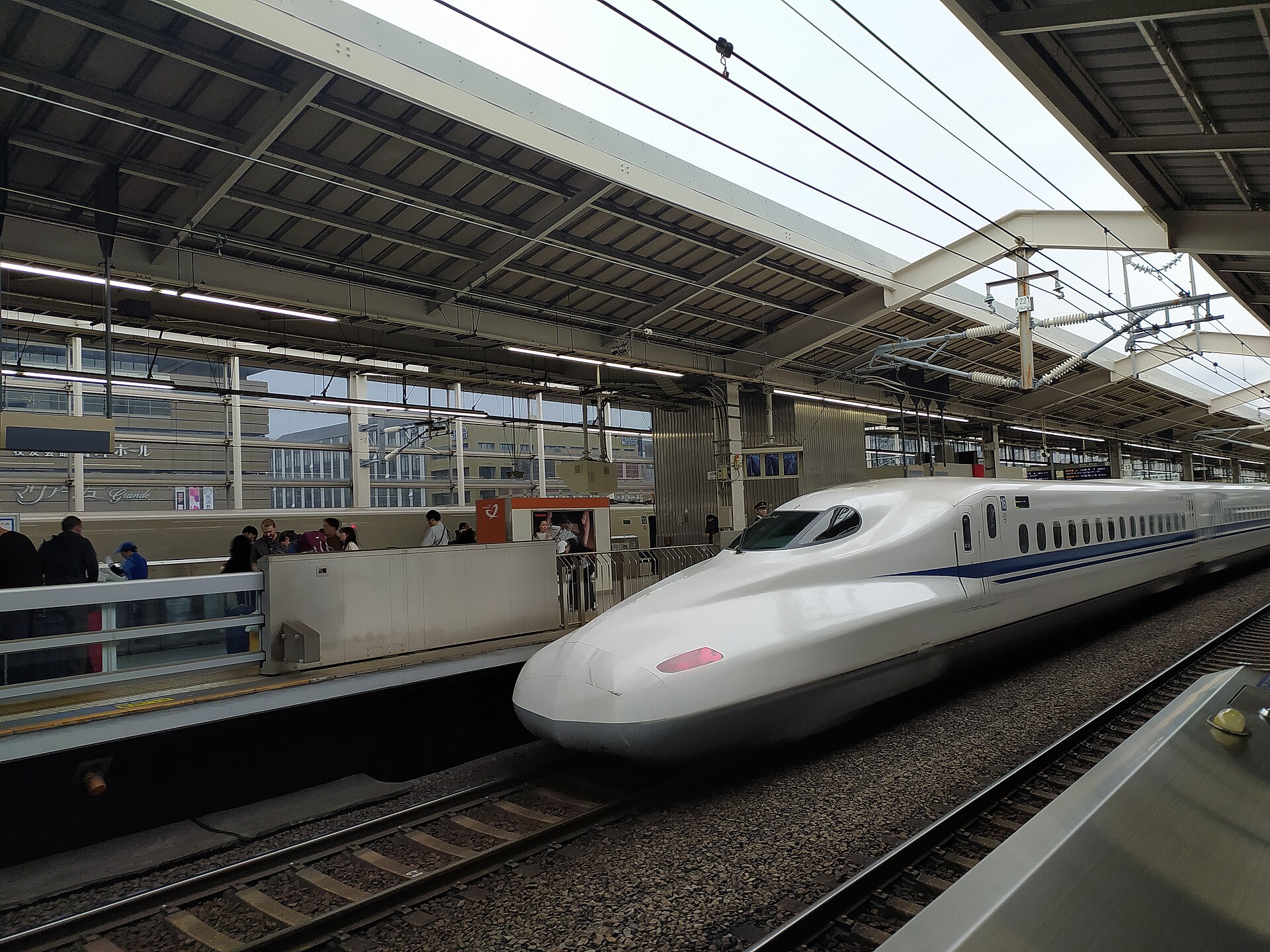
Fly into Tokyo if that works for your ticket, take the Shinkansen to Kyoto on Day 5, then make one short move to Osaka on Day 10. If you can fly home from Kansai International Airport (KIX), Day 14 is simpler. If you need to return to Tokyo, plan the last train journey around your flight rather than leaving it to chance.
The route has choices built in. Pick one of the alternatives on Days 2, 3, 4, 5, 8, 12 and 13. You do not need to do both versions of a day to get a complete trip.
Days 1–4: Tokyo
Stay close to a station with straightforward airport access. You will cross the city a few times, but each day is built around a sensible pair of areas rather than a list of scattered pins.
Day 1 — Asakusa in the morning, Shibuya after dark
Asakusa → Senso-ji and Nakamise → Shibuya Crossing → optional SHIBUYA SKY
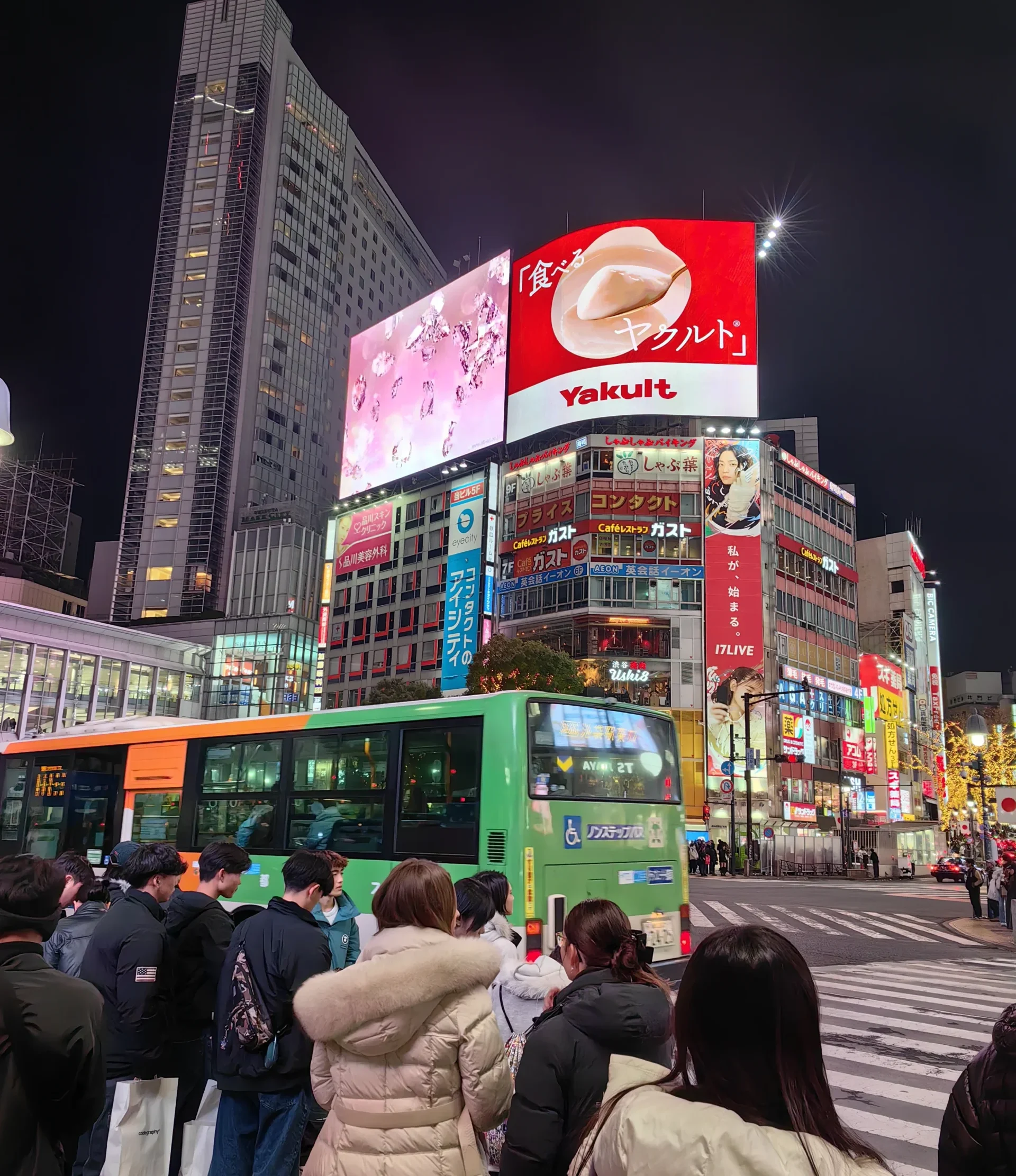
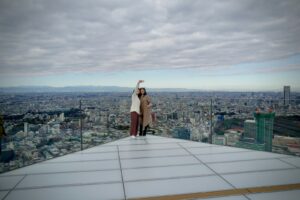
Give the first morning to Asakusa. See Kaminarimon and Senso-ji before Nakamise becomes its busiest, then have lunch nearby. In the afternoon, take the train to Shibuya for Hachiko, the crossing and a walk through the streets around it. If you want the open-air view from SHIBUYA SKY, make that the day’s timed reservation; a sunset slot is worth planning around. Stay for dinner and see the crossing once the signs are lit.
Keep the first morning flexible if you land that day. Airport arrival and jet lag do not follow a sightseeing schedule.
Day 2 — teamLab, Harajuku and one neighborhood choice
teamLab Borderless at Azabudai Hills → Harajuku/Cat Street → Shimokitazawa or Daikanyama and Nakameguro
Reserve teamLab Borderless for a time you can comfortably reach. Afterward, move to Harajuku for its fashion streets and Cat Street. Spend the late afternoon in one more area: Shimokitazawa for second-hand shops and small live-music streets, or Daikanyama and Nakameguro for bookstores, cafés and an easier stroll. The two endings have different moods; choosing one keeps the day enjoyable.
Before paying for teamLab, confirm that your ticket names Borderless at Azabudai Hills. Tokyo has more than one teamLab attraction.
Day 3 — Tsukiji, a shopping district and Tokyo Tower
Tsukiji Outer Market → Ginza or Akihabara → Tokyo Tower
Come hungry to Tsukiji, then decide what you want from the middle of the day. Ginza is the natural choice for department stores and a calmer lunch. Akihabara is for electronics, games and anime shopping, with a longer cross-city trip afterward. Finish around Tokyo Tower if the weather is clear; you can enjoy the area without buying a deck ticket, or reserve a paid viewpoint if it matters to you.
Treat Tsukiji as a food stop, not a race to eat at five places. Prices and queues vary from stall to stall.
Day 4 — Your final Tokyo day, your choice
Option A: Meiji Jingu → Omotesando → Shinjuku. Option B: Ueno → Yanaka → Tokyo Station or Odaiba.
Choose A for the leafy approach to Meiji Jingu, architecture and shopping around Omotesando, and a Shinjuku night. Choose B if you want museums or a park in Ueno, smaller lanes in Yanaka, then an easier final evening. Both are full days. Pack when you return to the hotel so Day 5 starts with a train, not a search for your charger.
Days 5–9: Kyoto
Kyoto rewards smaller, connected days. Temples, shops and restaurants often close earlier than visitors expect, so leave the evenings for dinner and walking instead of squeezing in another ticketed stop.
Day 5 — Tokyo to Kyoto, then a gentle first evening
Shinkansen to Kyoto → hotel check-in → Higashiyama and Gion or Fushimi Inari
Travel to Kyoto, leave your bags at the hotel and choose one afternoon direction. Higashiyama and Gion make a lovely first walk if you arrive with daylight left. Fushimi Inari works when you would rather spend the evening beneath the torii gates. Do not plan both as fixed appointments after a train and hotel transfer; let your arrival time decide.
If your suitcase is large, check current Shinkansen baggage rules before selecting seats. Our luggage forwarding guide explains the hotel-to-hotel alternative.
Day 6 — The temples and old streets of northern Kyoto
Kinkaku-ji → Ryoan-ji → Kitano Tenmangu → Kamishichiken and Nishijin
Start with Kinkaku-ji and Ryoan-ji while you have energy for the bigger sights. Then stay in the northwest instead of heading across town: visit Kitano Tenmangu and wander Kamishichiken or the Nishijin textile area. This day has a quieter second half, which is useful after Kyoto’s busiest temple stops.
Expect bus or taxi connections in this part of Kyoto. Check the route on the day rather than assuming every stop is beside a train station.
Day 7 — Arashiyama without the frantic checklist
Bamboo Grove → Tenryu-ji → riverside and Togetsukyo → optional Monkey Park
Reach Arashiyama in the morning and walk the Bamboo Grove before continuing to Tenryu-ji. Give the riverside time; it is one of the reasons to travel out here. If you want the Monkey Park, allow for the uphill walk. Otherwise, use the afternoon for Jojakko-ji or another slower Sagano lane, then return to central Kyoto for dinner.
The grove itself is a short walk. The pleasure of this day comes from the surrounding gardens, hills and river.
Day 8 — Eastern Kyoto or the tea town of Uji
Option A: Nanzen-ji → Philosopher’s Path → Ginkaku-ji. Option B: Byodo-in and Uji → Fushimi.
Option A is a walking day among Zen gardens and the canal-side paths of eastern Kyoto. Start near Nanzen-ji, stop when a garden interests you, and work north toward Ginkaku-ji. Option B changes the pace: go to Uji for Byodo-in, tea shops and the river, then spend the later part of the day in Fushimi if you still have energy. Pick the version that fits your mood and weather.
Murin-an, tea experiences and some Fushimi activities may use reservations; check the specific venue you choose.
Day 9 — Nijo Castle, Nishiki and a last Kyoto evening
Nijo Castle → Nishiki Market → Teramachi/Shinkyogoku → tea stop → Gion
Start at Nijo Castle, then head into the covered shopping streets and Nishiki Market. Leave room for a proper lunch or a tea stop. Gion is best as an evening walk, with dinner in the area if you have booked somewhere you particularly want. Back at the hotel, sort your luggage for the Osaka move tomorrow.
Nijo’s Honmaru Palace has different access from the standard castle visit. Check the current booking rules if it is on your list.

Days 10–14: Osaka and a day trip
Osaka is your final base. Use one day for Nara or Kobe, then leave enough unscheduled time for the food and neighborhoods that make the city fun to explore on foot.
Day 10 — Arrive in Osaka and see it light up
Kyoto → Osaka hotel → Osaka Castle → Amerikamura → Dotonbori
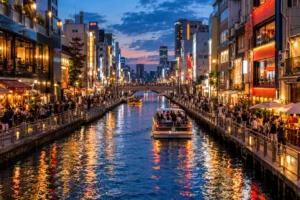
After the short train trip and check-in, start with Osaka Castle Park and decide whether you want the museum inside. Spend the later afternoon around Amerikamura and nearby streets, then head to Dotonbori for the evening lights and dinner. Hozenji Yokocho is a quieter lane a short walk from the canal.
This is a transfer day. If check-in runs late, skip the castle interior and keep the evening.
Day 11 — Tenma, Nakazakicho and Umeda
Tenjinbashisuji → Nakazakicho → Umeda at dusk
Browse Tenjinbashisuji’s long shopping street, eat when something looks good, then slow down in Nakazakicho’s smaller lanes and cafés. Save Umeda for the evening. An observation deck is optional; the neighborhood itself has plenty of food and city energy without another ticket.
If yesterday’s arrival was tiring, start this day late. It works well without an early alarm.
Day 12 — Nara or Kobe, not both
Nara: Todai-ji → Nara Park → Naramachi. Kobe: Nunobiki → Kitano → waterfront.
Choose Nara for Todai-ji, a walk through the park and the old lanes of Naramachi. Treat the deer as wild animals: give them space and use the official crackers if you feed them. Choose Kobe for the Nunobiki ropeway and gardens, Kitano’s historic houses and an evening by the water. If a Kobe beef dinner matters to you, reserve the restaurant rather than choosing at the station.
Both towns deserve a full day. The planner has separate place sheets so you can keep the unused option for another trip.
Day 13 — A food day that leaves space to wander
Nakanoshima and Kitahama → Shinsaibashi → Shinsekai → guided or self-led food evening
Start beside the river in Nakanoshima or Kitahama, then work toward the shops of Shinsaibashi. Later, go to Shinsekai for a very different Osaka street scene. Choose a guided food tour if you like someone else choosing the stops, or follow your own walk and leave room for the place you notice on the way. You do not need to order a full dish at every famous sign.
This is a good day to revisit a food spot you missed earlier, rather than chasing a rigid list.
Day 14 — The last morning depends on your flight
Optional Namba Yasaka → Kuromon Market → Doguyasuji → airport or onward train
With an evening flight, you may have time for Namba Yasaka, a few bites at Kuromon and a look at Doguyasuji’s kitchenware. With a morning flight, go straight to the airport. If you are returning to Tokyo, plan the intercity journey separately and avoid making an international connection on a tight schedule. Leave time to collect your bags and get to the correct terminal.
Book the final night according to your departure airport. KIX and Tokyo airports lead to very different Day 14 plans.

A few decisions to make before buying tickets
For travelers from the U.S., start with the actual flight itinerary. An open-jaw ticket into Tokyo and out of Osaka can save backtracking, but compare it with the round-trip fare and your available vacation days. The U.S. Department of State’s Japan page has current entry and passport guidance for U.S. citizens; check it again for your own dates and nationality.
Next, put only the scarce bookings on your calendar: teamLab Borderless, a preferred SHIBUYA SKY time, a special dining experience, and any specific hotel you would be disappointed to miss. JR Central publishes official booking information for the Tokyo–Kyoto Shinkansen. Japan’s Digital Agency explains Visit Japan Web for arrival procedures. Compare individual train tickets with any rail pass using your actual long-distance journeys rather than buying a pass by habit.
Then choose your hotel neighborhoods. The route needs four Tokyo nights, five Kyoto nights and the remaining nights based in Osaka if your flight departs from Kansai. If your arrival time or departure airport changes the count, move nights to match the flight rather than forcing the printed sequence. Our Tokyo, Kyoto and Osaka city guides help you compare individual sights.
What you get with our guide
The article gives you the outline. The digital product is for the next step: turning it into a trip with times, restaurant options, reservations, maps and costs that belong to your own dates.
The 2026 PDF
131 pages including the cover and back matter. It contains the detailed 14-day route, city alternatives, food and neighborhood suggestions, travel preparation, and optional Tokyo Disney Resort and Hakone/Mount Fuji days.
The editable planner
A 14-tab Excel workbook (.xlsx) with the daily route, separate city place lists and map links, booking tracker, yen budget, trip summary, packing list and departure checklist. Enter your dates and adjust your choices.
Disney and Hakone are day substitutions if you want them; the main 14-day route does not squeeze either into an already full afternoon. Tickets, hotels, transport, flights and a personal guide are separate purchases. Some experience links within the PDF are affiliate links; we may earn a commission if you use one, at no extra cost to you.
Ready to make this your Japan trip?
Take the 14-day route, choose your favorite alternatives and put the bookings in one place. The guide gives you the detail; the planner keeps it usable when the flight and hotel confirmations start arriving.
- 2026 guide PDF with daily Tokyo, Kyoto and Osaka plans
- Editable Excel trip planner with routes, maps, budget and booking tabs
- Optional Disney, Hakone, Nara and Kobe choices
Order the 14-Day Japan Guide on Etsy
Digital product. Check the current price, file access and checkout terms on Etsy before purchasing.
A few honest answers
Is the itinerary fixed?
No. The PDF offers alternative days, and the planner lets you record the route you choose. It is a ready-made guide that you personalize, not a one-to-one custom itinerary service.
Will the trip planner work on a phone?
The PDF is easy to read on a phone. Set up the .xlsx planner on a computer or tablet if you want to edit many cells, then keep a copy accessible during the trip. Spreadsheet apps can display it differently.
Are attractions and train tickets included?
No. The purchase covers the digital PDF and planner. Book trains, hotels and experiences separately after choosing your dates.
What about a Mount Fuji or Disney day?
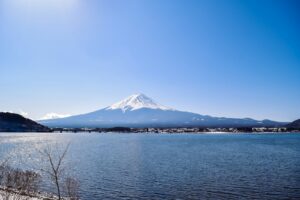
Both appear as optional plans in the guide. Replace another day to fit one into a two-week trip. Fuji views depend on weather, and Disney needs its own full day.
Route based on our 2026 guide and companion planner; reviewed October 2026. Opening hours, prices and transport details can change, so confirm important reservations with the operator.



1 thought on “14-Day Japan Travel Guide 2026: Tokyo, Kyoto & Osaka”